Did You Know Your Oxygen Costs? Discover How Much You Could Save!
Discover how much you could save on oxygen costs with our insightful guide. Uncover potential…

This issue of Vapors will focus on questions related to waste anesthetic gas (WAG).
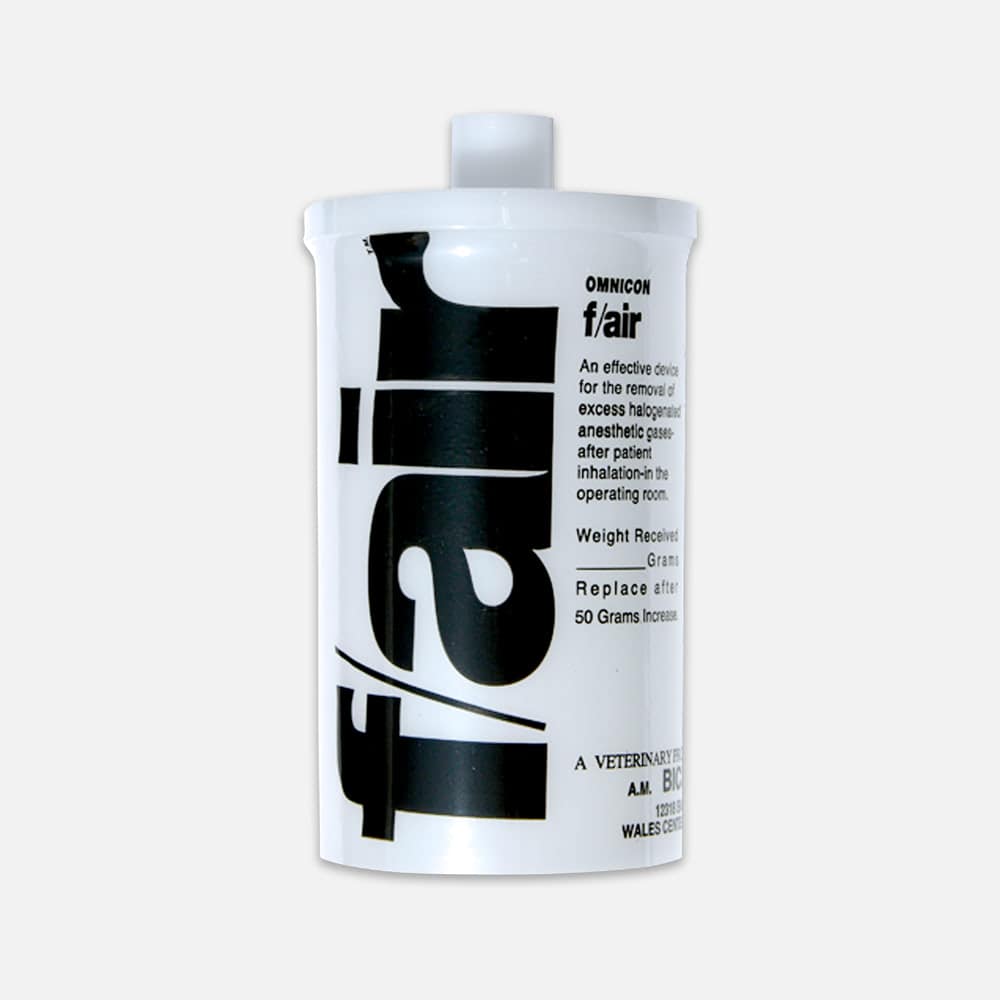
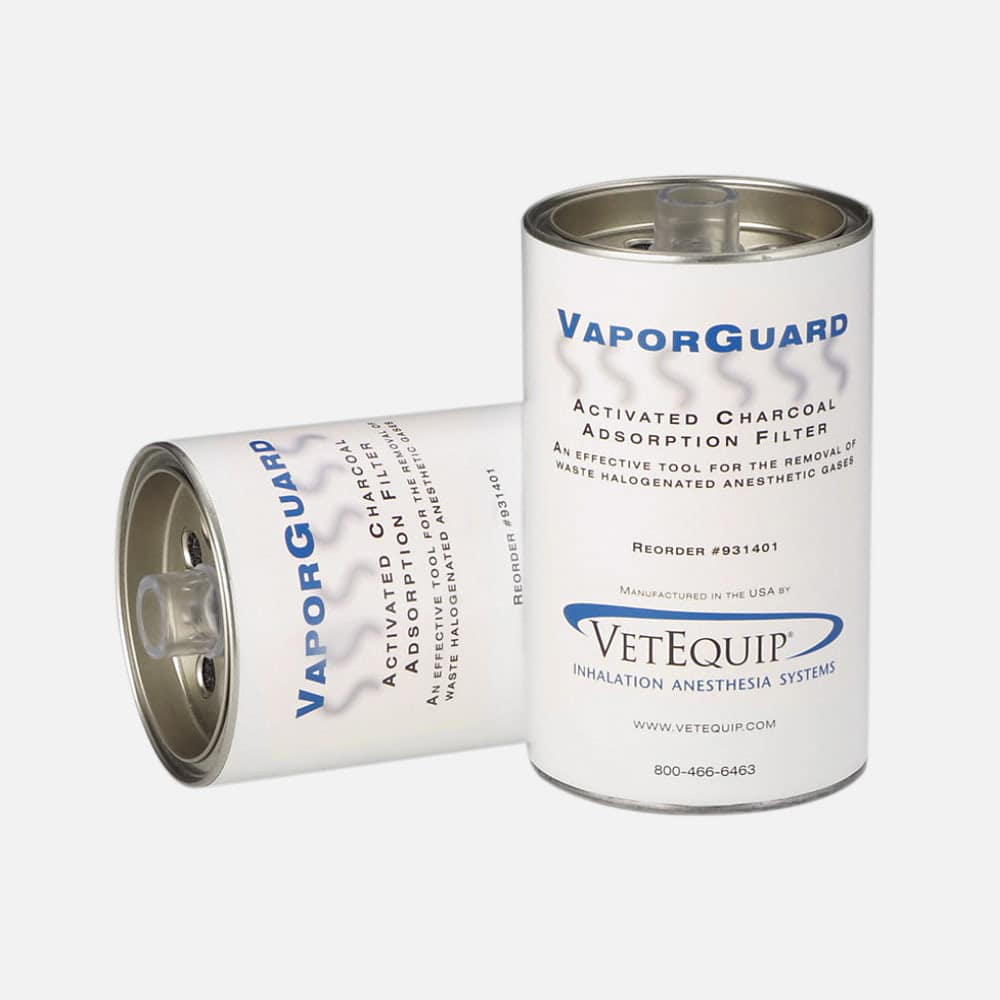
The straight forward answer is yes. There are, however, procedures that need to be followed to assure optimal results. Most canisters that are available are about the size of a pint jar and contain approximately 250 grams of charcoal. This amount can absorb approximately 50 grams of anes-thetic vapor. To assure that WAG is being removed, the canister must be weighed before it is used and the weight recorded on the canister. When it has gained 50 grams, it must be discarded. One circumstance when these canisters may not be effective is during the administration of high oxygen flow rates in excess of 5 liters/minute. This rate moves the gas through the canister so quickly that the absorption of WAG is not complete When using an F/air canister, it must be placed in a holder or laid on its side because all the gas entering the canister must exit through the holes in the bottom and these holes must not be ob-structed. If used properly, charcoal canisters are an effective method to prevent exposure to WAG.
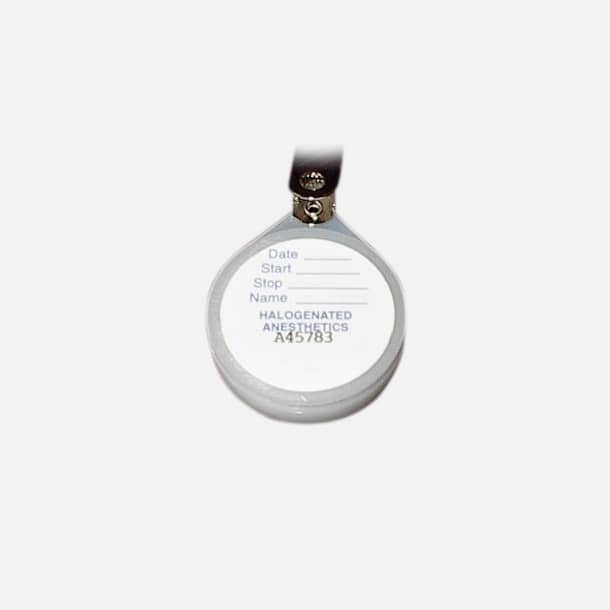
Badges are available much like radiation badges, that monitor exposure to WAG. These organic vapor badges are a very practical and economical way to monitor exposure. The badge is worn for one 8 hour shift by a person working in an area of potential risk for exposure. The badge, along with a form that provides information about the work area, is sent to a lab for analysis. This provides a time-weighted average of exposure.
The National Institute for Occupational Safety and Health (NIOSH) is responsible for conducting and funding research and education and for preparing criteria docu-ments to be used for the development of standards. The NIOSH stand-ard for halogenated agents is two parts per million (PPM). The Occu-pational Safety and Health Adminstration (OSHA) has never enacted these standards. However, OSHA, under the “general duty clause”, does have the authority to inspect workplaces to determine whether employers are providing a workplace free from hazards, even in the absence of a relevant standard. Even though OSHA does not have a standard for exposure, they use the NIOSH recommended standard for exposure. It should be noted that the American Conference of Govern-mental Industrial Hygienists (ACGIH) has recommended 50ppm as an Vetamac Vapors (800)334-1583 www.vetamac.com We’re just a phone call away! Feel free to call between your annual service visits if you have questions or are having any problems. By Harry Latshaw MS, RVT, VTS (Anesthesia) Vol. VIII, Issue 4 8 hour time-weighted average for a threshold limit for exposure to WAG. For additional information and discussion, please visit our website at www.vetamac.com following the links for Services and Periodic Monitoring of Waste Anesthetic Gases.
The staff member in question should first consult her physician and then her supervisor. Physicians are not unanimous in their opin-ions about this issue. Secondly, she should consult her supervisor. Different veterinary practices and institutions may have different poli-cies. If a pregnant staff member is allowed to work in areas of poten-tial exposure, there are several precautions to follow. First, all anes-thetic and evacuation equipment should be properly maintained and serviced. Second, a non-pregnant staff member should wear an organ-ic vapor badge to verify that exposure is below tolerable limits. After these precautions are followed and the pregnant staff member is al-lowed to work in the area, she should not fill vaporizers with liquid anesthetic and should not be in an area where animals are recovering from anesthesia. However, some physicians, practices, and institu-tions, and some pregnant individuals desire that there be zero exposure to WAG. The only way to accomplish this is for the individual to wear an organic vapor respirator.

These masks remove all organic vapors from the inspired air. They can be cumbersome but are very effective. A mask that is widely used is the 3M Organic Vapor Disposable Respirator 5000 Series. These masks are good for up to 3 hours, are available in small, medium and large (based on height), and cost around $18. They can be purchased from the 3M website. Of course, the mask does not need to be worn if anesthesia is not being performed.


Veterinary Specialist Articles