
Call Us
1 800 334-1583
Veterinary Gas Evacuation Systems
Vetamac supplies active and passive waste gas scavenging systems that pull trace anesthetic out of your surgical suite and keep it below recommended limits. Paired with our periodic monitoring, they protect the people who keep your clinic running, every single day.
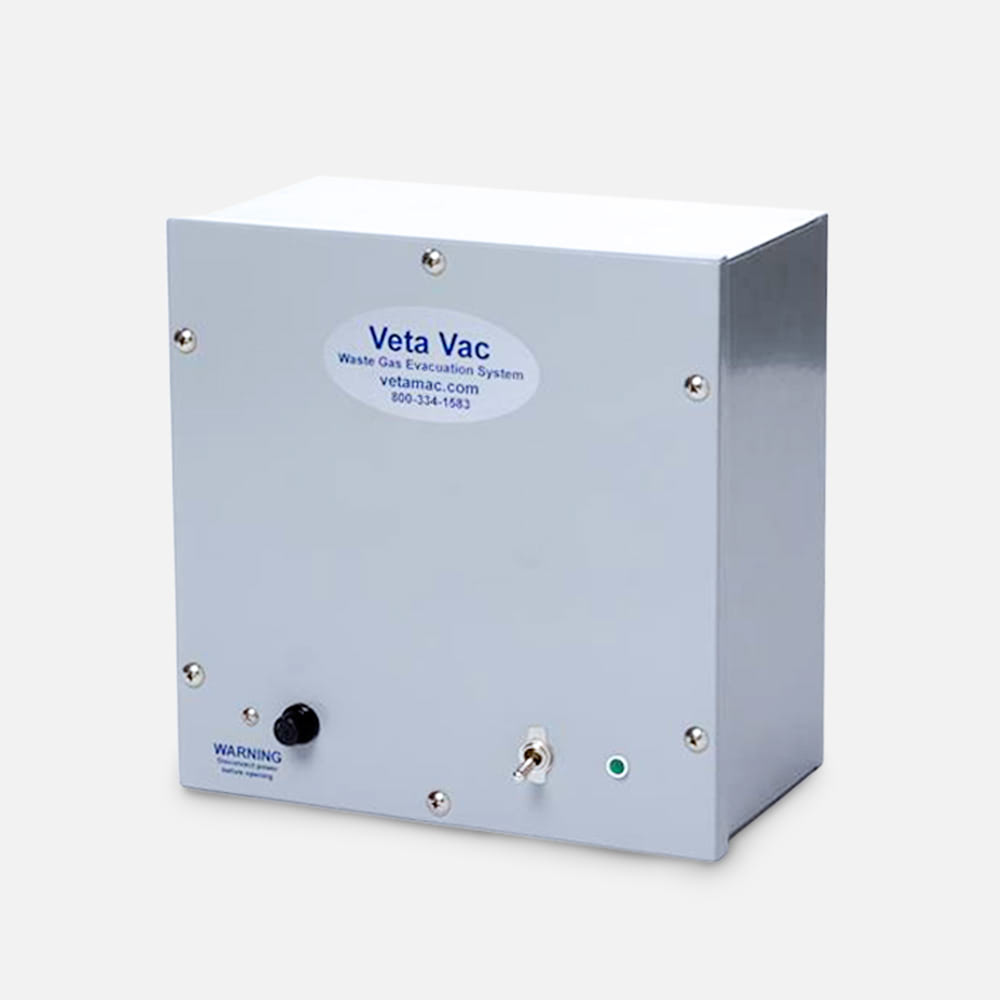
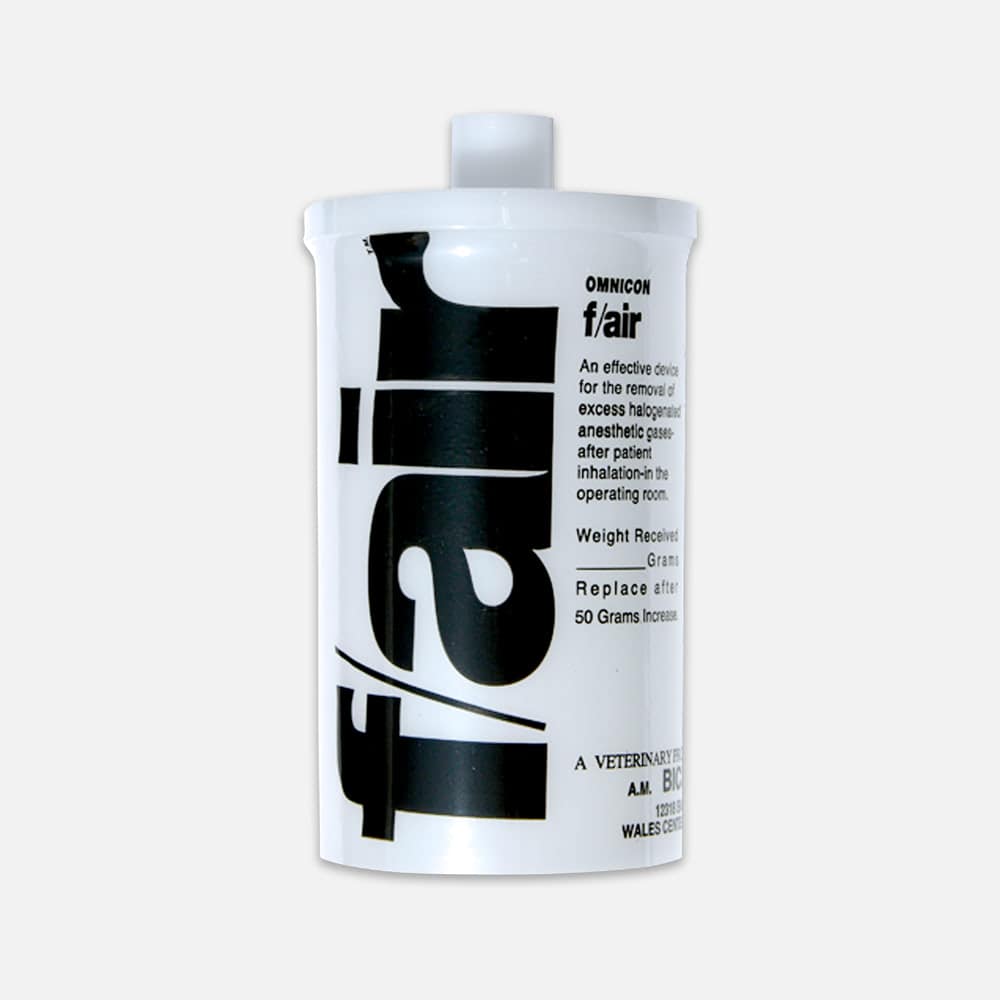
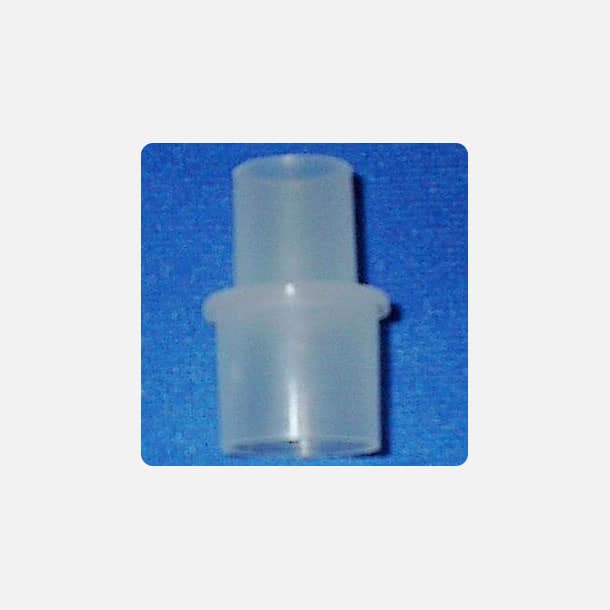
Waste anesthetic gas is exhaled by every patient and escapes at each connection point in your anesthesia system. Without a scavenging system, it collects in the breathing zone of your staff. A properly installed scavenging system is the primary way you control trace gas exposure, and it protects the long-term health of everyone in the room. We supply both active and passive systems, and the waste gas monitoring service to confirm they are doing their job.
Active or passive: choosing the right system
An active system uses a vacuum source, either a dedicated pump or your building’s central vacuum, to pull exhaled gas out of the circuit and vent it outside. Active scavenging is more reliable at controlling gas levels, especially in busy clinics or rooms with limited ventilation, and it uses an interface to control the negative pressure applied to the circuit. A passive system uses the positive pressure of the patient’s own exhaled gas to push waste gas through tubing to an exterior vent. It needs no power source and is simpler to install, which suits lower-volume settings with good ventilation. In most clinics, we recommend an active system for the added reliability.
Why waste gas monitoring matters
NIOSH recommends that halogenated agents such as isoflurane and sevoflurane stay at or below 2 ppm in the breathing zone, and the ACGIH publishes a separate guideline of 50 ppm as an 8-hour average. OSHA does not set its own limit and generally defers to these. A scavenging system alone does not guarantee you are within those numbers, because leaks in the anesthesia machine, circuit, or mask can undermine even a well-installed system. Our periodic waste gas monitoring service measures the actual trace gas levels in your clinic, finds the source of any excess, and documents your results for compliance. Our team explains what the limits mean in Why Waste Gas Monitoring Matters.
Components of a complete system
A full scavenging setup includes the scavenging interface (open or closed reservoir, depending on your system), the pop-off valve, connecting tubing, and either an exterior vent or a vacuum connection. Active systems also need a flow-adjustment mechanism to keep excess vacuum from pulling on the patient circuit. For passive setups, activated charcoal canisters capture halogenated agents where exterior venting is not practical. Browse the full selection of components and replacement supplies above.
Your team breathes the air in your surgical suite every day. A properly specified system, checked with periodic monitoring, is how you protect them, and it gives you the peace of mind of knowing you have done right by the people who keep your clinic running. When you are not sure where to start, our team will help you get it right.
Works with the rest of your anesthesia system
- Anesthesia machines: the source of waste gas at the pop-off valve
- Breathing circuits: leaks here are a common source of room contamination
- Waste gas monitoring service: confirm your system is protecting your staff
- Veterinary anesthesia equipment: explore the full range
Resources from our anesthesia team
- Protecting Health and Environment: Gaseous Waste Safety
- Understanding Active Systems for Waste Gas Evacuation
- Activated Charcoal Canisters
Frequently asked questions
What is waste anesthetic gas?
Waste anesthetic gas is any inhalant anesthetic, such as isoflurane, sevoflurane, or nitrous oxide, that escapes into the room during a procedure. It comes from the patient’s exhaled breath at the pop-off valve, from mask leaks during induction, and from connection points in the circuit. Even low concentrations add up over time, which is why both a scavenging system and periodic monitoring matter.
Do I need an active or a passive scavenging system?
We recommend active scavenging for most clinics, because it removes waste gas reliably regardless of room ventilation. Passive systems are acceptable in low-volume settings with dedicated exterior venting and good air exchange. When you are unsure, choose active.
What are safe trace gas exposure limits?
NIOSH recommends a ceiling of 2 ppm for halogenated agents such as isoflurane and sevoflurane, while the ACGIH publishes a guideline of 50 ppm as an 8-hour time-weighted average. The only way to know your actual exposure is to measure it. Our waste gas monitoring service takes those measurements and provides a written report.