Vol. VII: Understanding Dead Space in Anesthesia
Learn about mechanical dead space in anesthesia, its impact on CO2 levels, oxygen, and anesthetic…

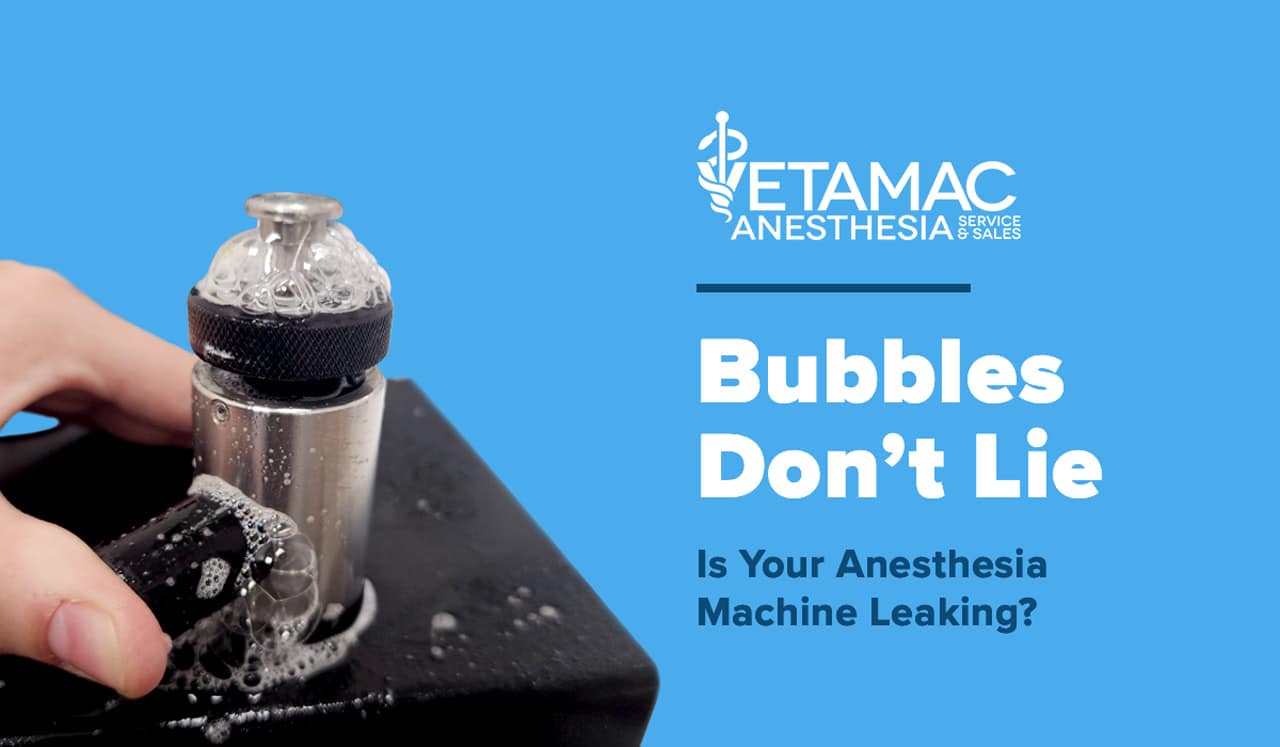
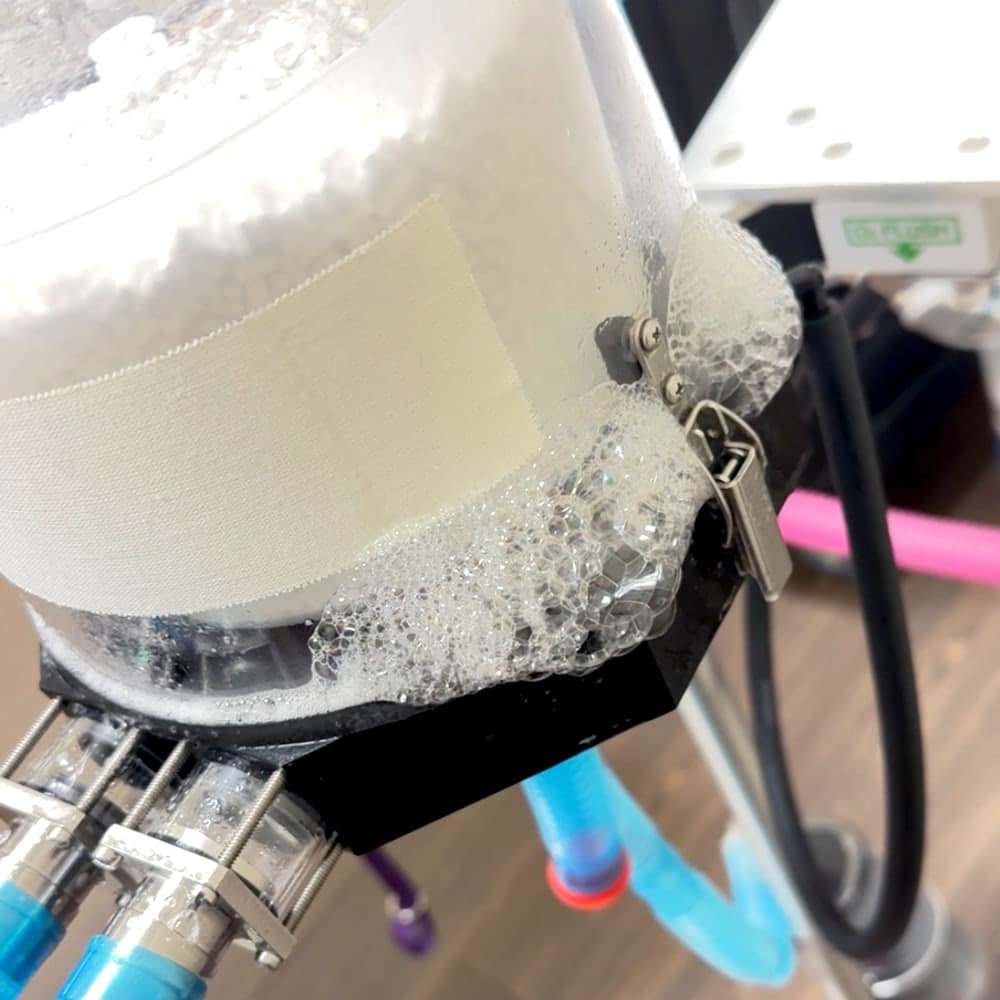
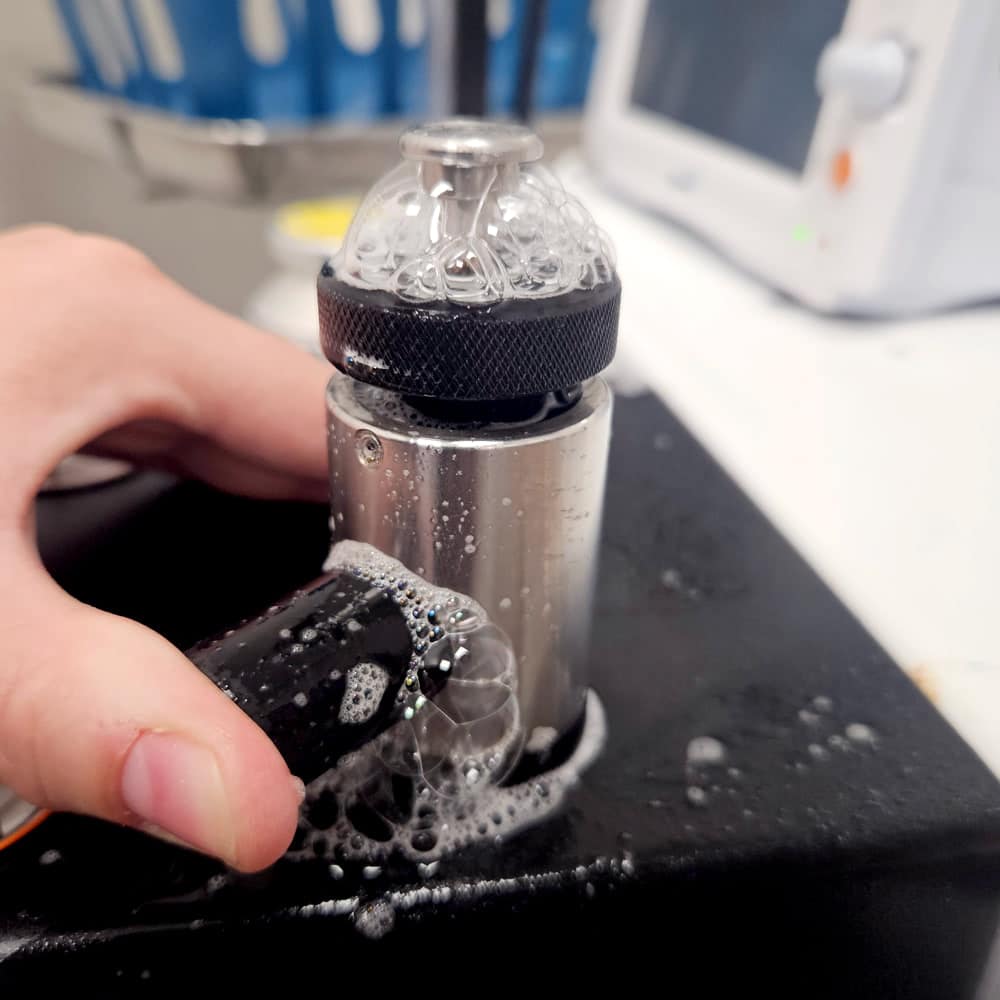
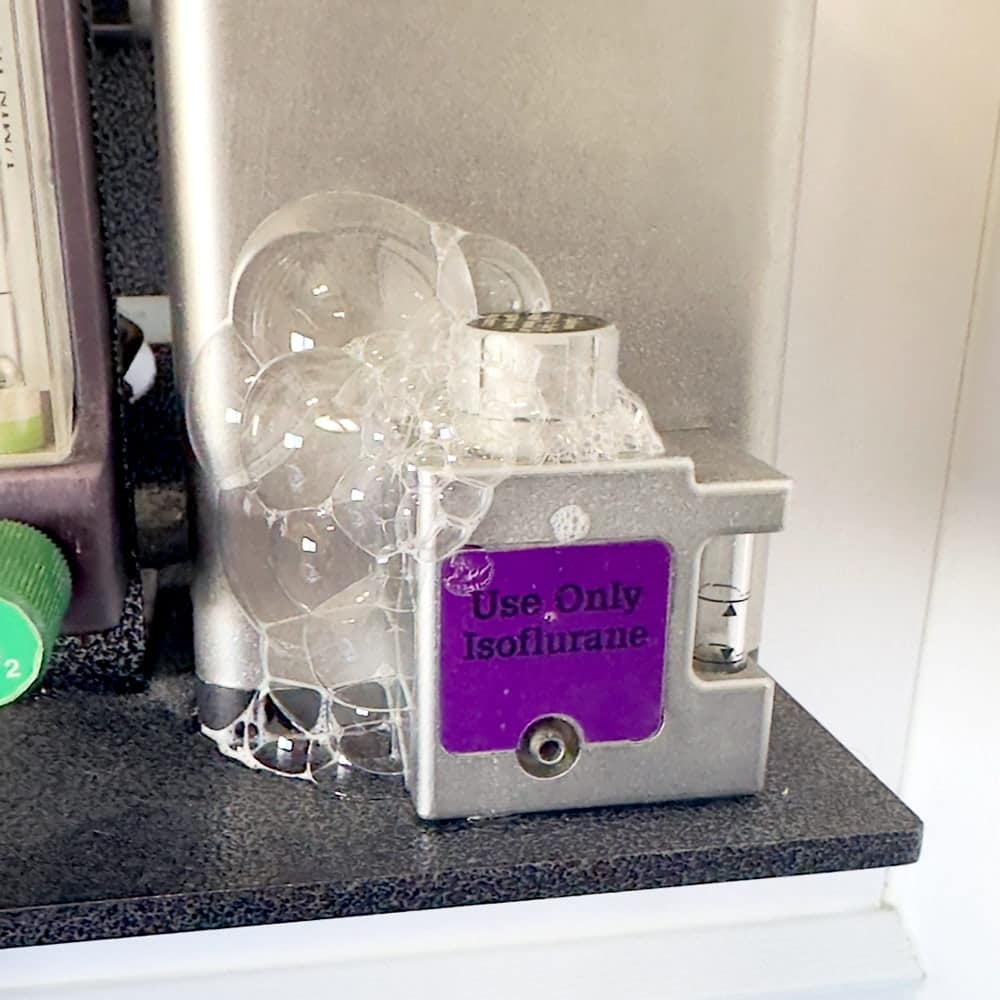
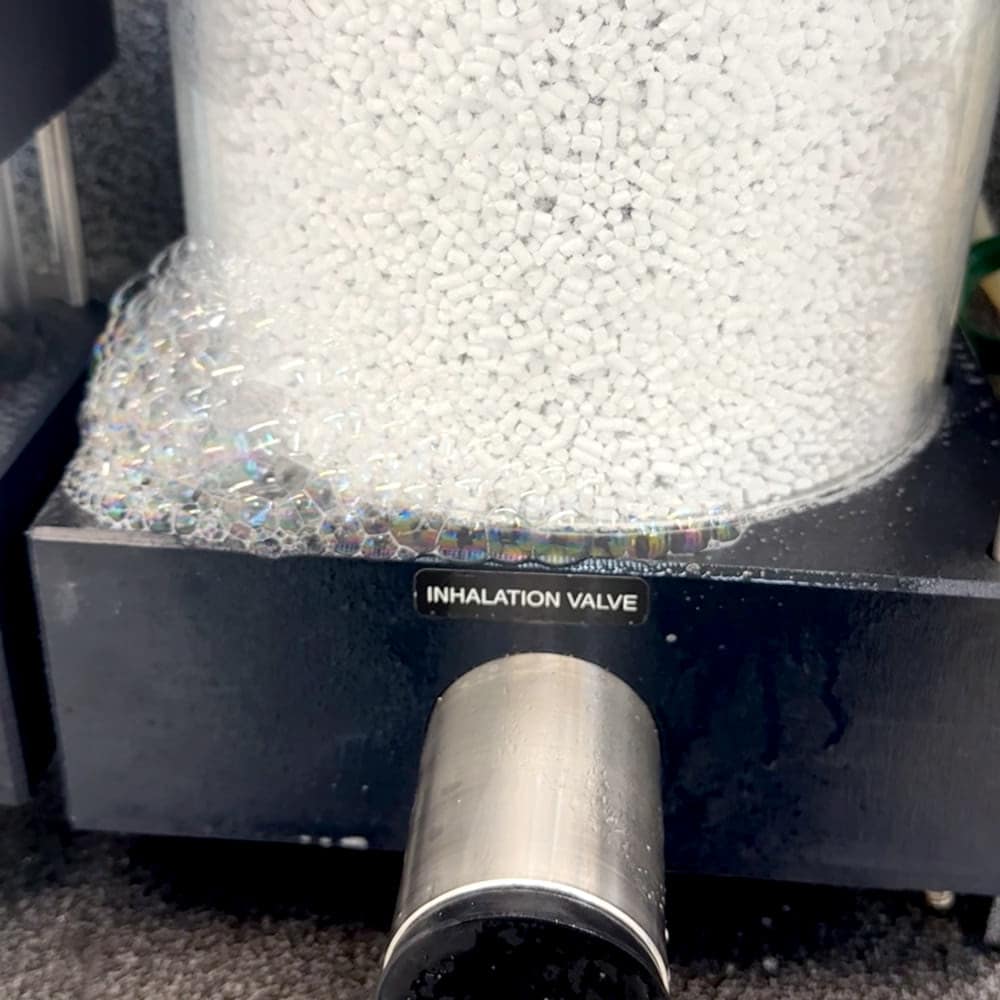
Leaks in anesthesia machines are more than just technical issues -they’re real risks to both animal patients and veterinary teams. This week, we’re raising awareness with a visual blog featuring photos from our certified Vetamac technicians across the country. Every image highlights one thing: where there’s a bubble, there’s a leak.
Using the Vetamac leak test solution, our techs pinpoint leaks by looking for bubble formation. It’s simple, visual, and extremely telling. And as you’ll see, the leaks we find aren’t small. Some are large enough to compromise patient safety and expose staff to waste anesthetic gases.
Scroll through the gallery below to see real examples from veterinary clinics across the U.S.
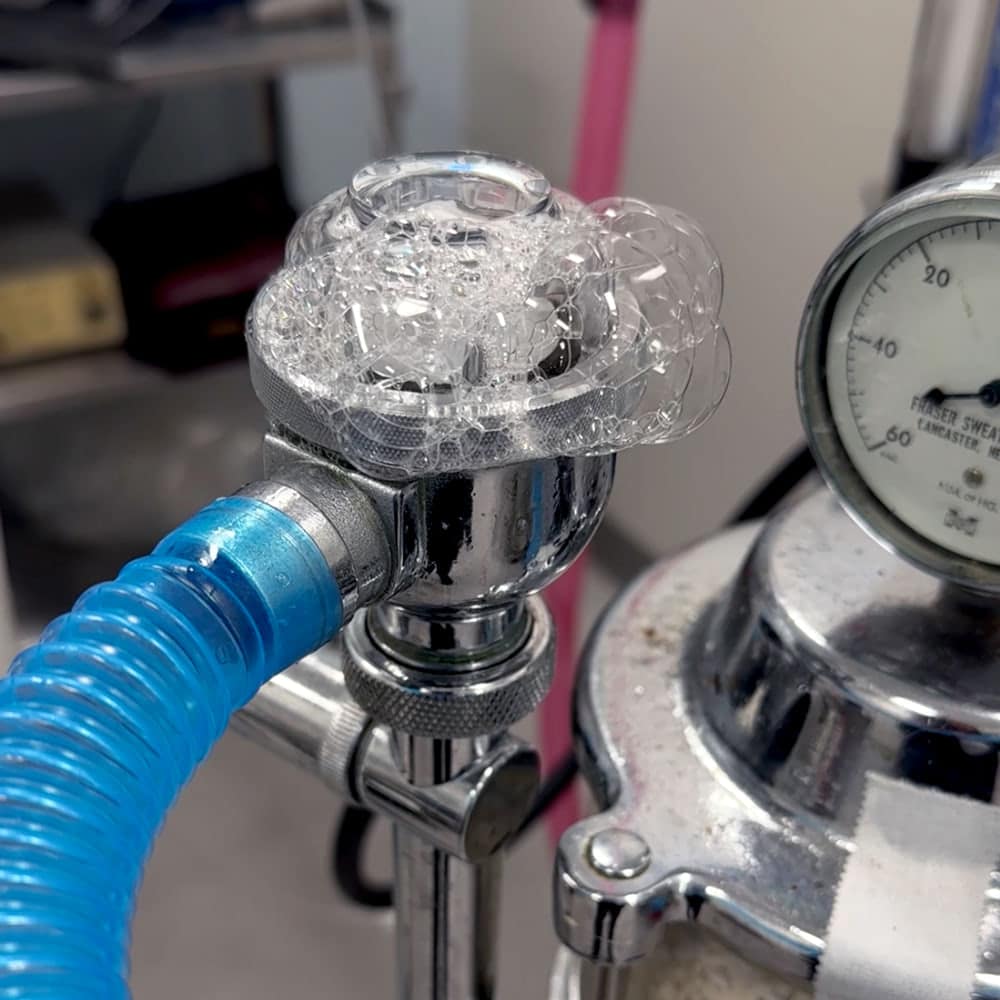
Each image shows visible bubbles highlighting leak points on various anesthesia machine components. These snapshots are not staged -they’re genuine service calls from clinics just like yours.
Even a minor leak can result in:
Leaks reduce the concentration of anesthetic gases reaching the patient, making precise control nearly impossible. This is particularly dangerous for high-risk or critical patients, where small fluctuations matter.
Leaks don’t just affect patients. They also impact your clinic’s air quality. Chronic exposure to waste anesthetic gases (WAGs) can lead to:
Proper scavenging systems and routine maintenance are your best defense – but only if your equipment is leak-free.
During every Vetamac preventive maintenance visit, our technicians perform a full leak test. If a leak is detected, they use a soap solution to pinpoint its source. Wherever the solution foams up, we’ve found a leak – typically in:
Leaks often start small and go unnoticed—until they put your patients and staff at risk. Don’t wait. Make routine testing and calibration part of your protocol.
Start with our Daily & Routine Anesthesia Machine Maintenance.
Let’s fix it before it becomes a problem. Book a preventive maintenance visit with one of our certified technicians today and ensure your anesthesia equipment is safe, accurate, and leak-free.