Vol. XI: Understanding Anomalies in Anesthetic Machine Design – Part II
Learn about acquired anomalies in anesthetic machines, common issues, maintenance tips, and how to prevent…

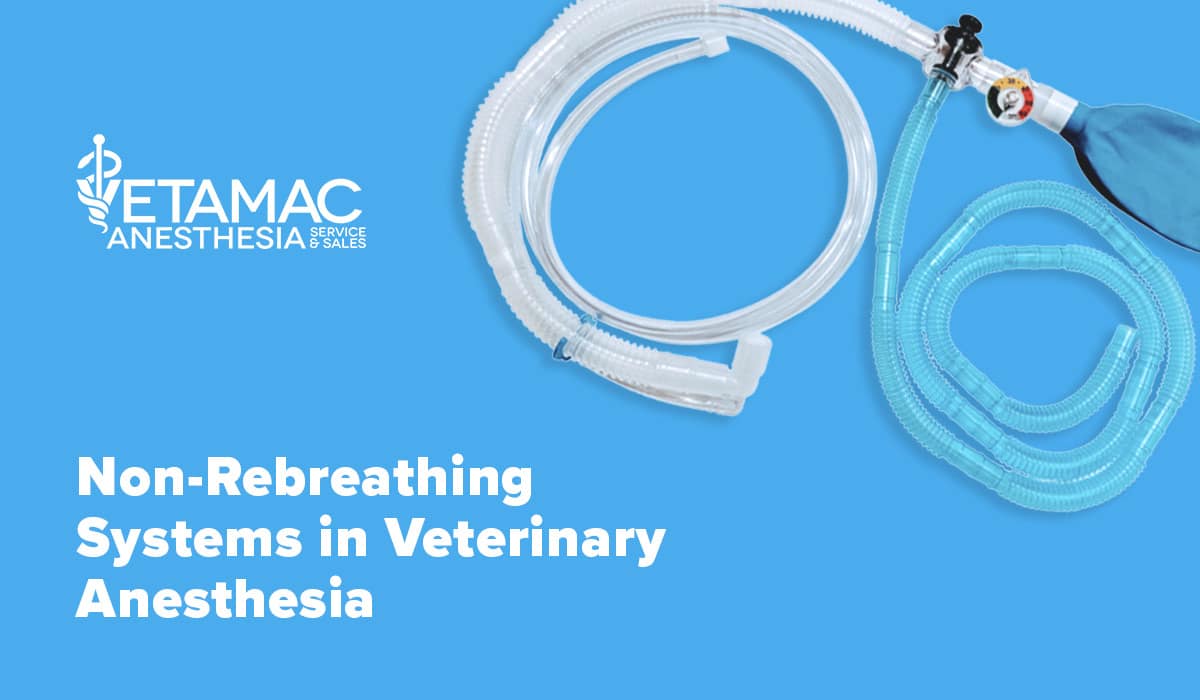
In this edition of Vapors, we will explore non-rebreathing (NRB) systems and their applications in veterinary anesthesia. Understanding the differences between NRB and rebreathing systems is crucial for optimizing patient care. As the name suggests, non-rebreathing systems prevent expired gas from being rebreathed, ensuring fresh gas is continuously supplied to the patient. This issue focuses on two of the most commonly used NRB circuits in veterinary practice: the Bain circuit and the Jackson-Rees circuit.
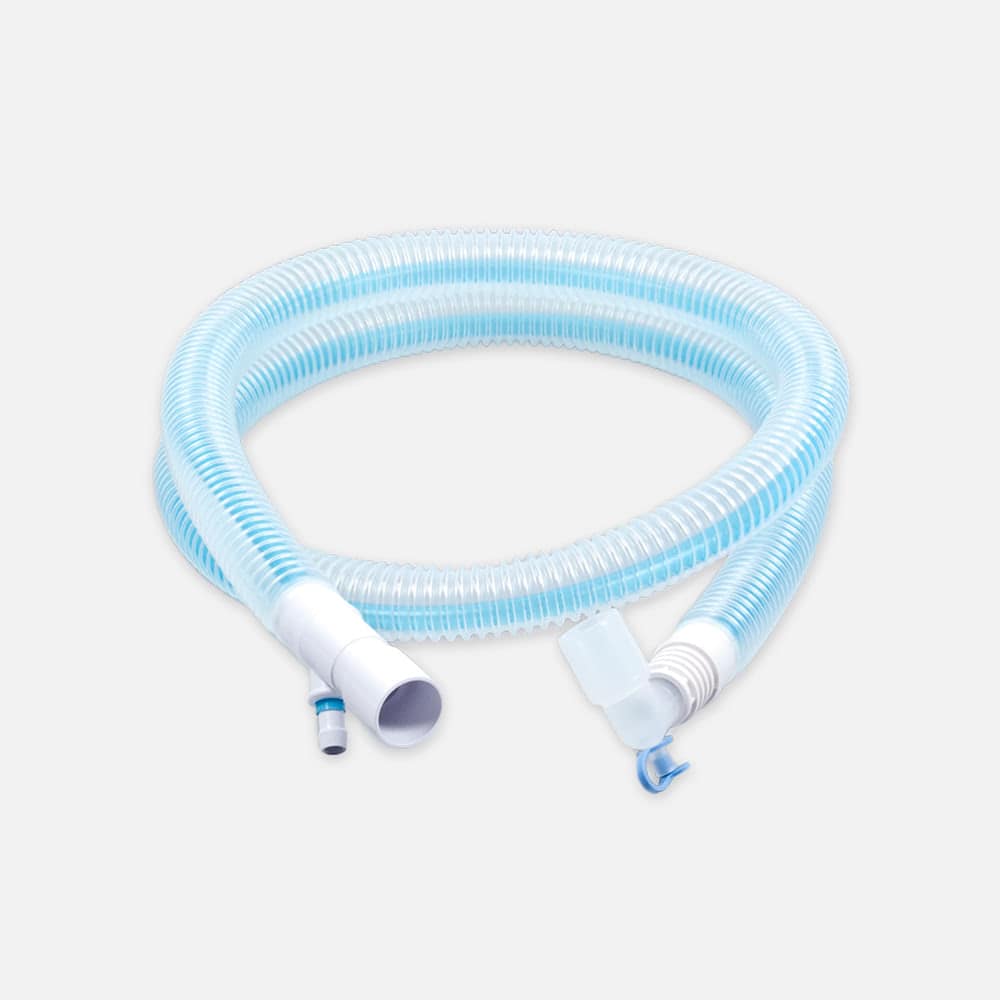
The Bain circuit is commonly used in research but is less frequently applied in clinical practice. It features a coaxial design, similar to the Universal-F rebreathing circuit, but they are not interchangeable. In the Bain system, fresh gas flows through a small inner tube within a larger outer tube, which connects to the patient end via an ET tube or mask. One of the challenges of this circuit is that the fresh gas inlet is prone to leaks, which can often require replacing the circuit. Additionally, the inner tube may detach from its connection, leading to increased dead space. Another drawback is the cost of the Bain adapter for the anesthetic machine, though it is a one-time purchase.
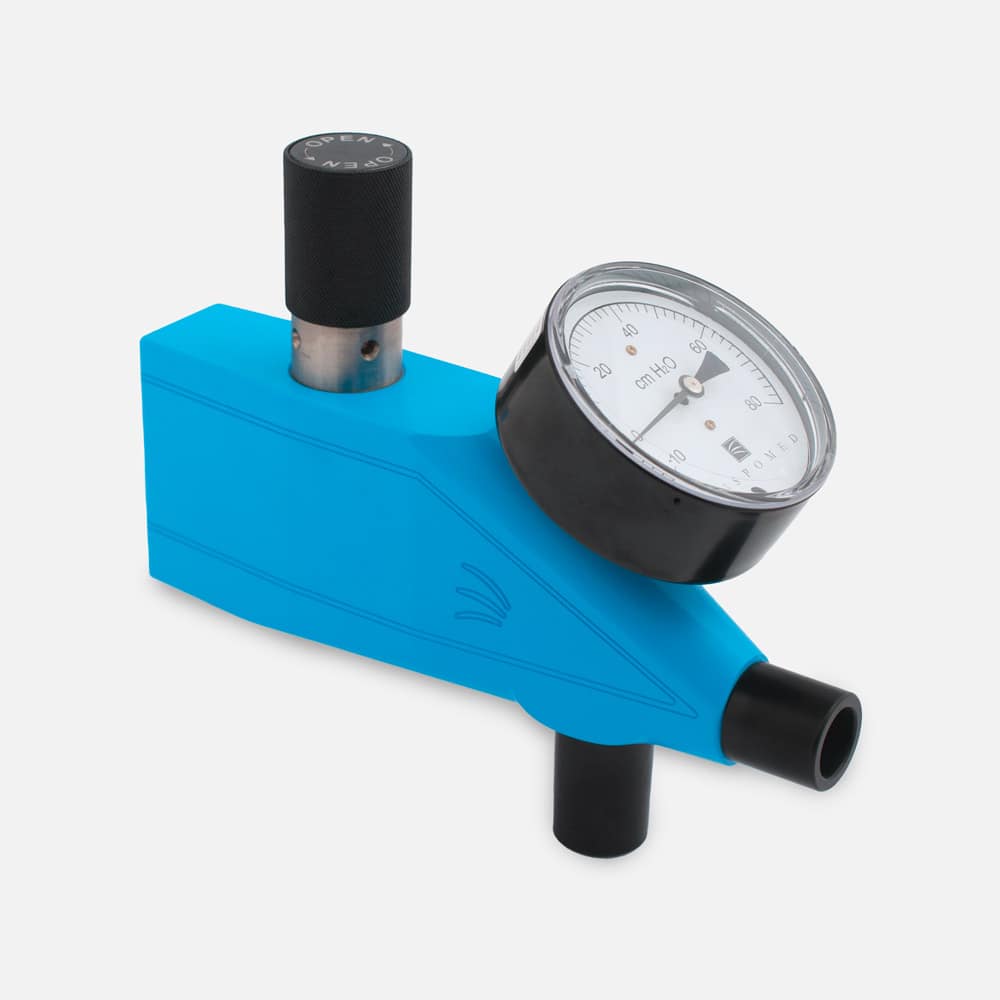
The Jackson-Rees circuit is another popular NRB option, based on the Ayres Tee design. A modification of this circuit, such as the SafeSigh, uses a fresh gas tube that delivers gas to an adapter, which attaches to the ET tube or mask. A 22 mm tubing piece (6″ to 2′ long) connects to a valve that allows for “bagging” the patient. This valve is typically a “T” connection, enabling attachments for both the breathing bag and WAG evacuation. Many Jackson-Rees systems also offer the option of attaching a pressure manometer for better monitoring.
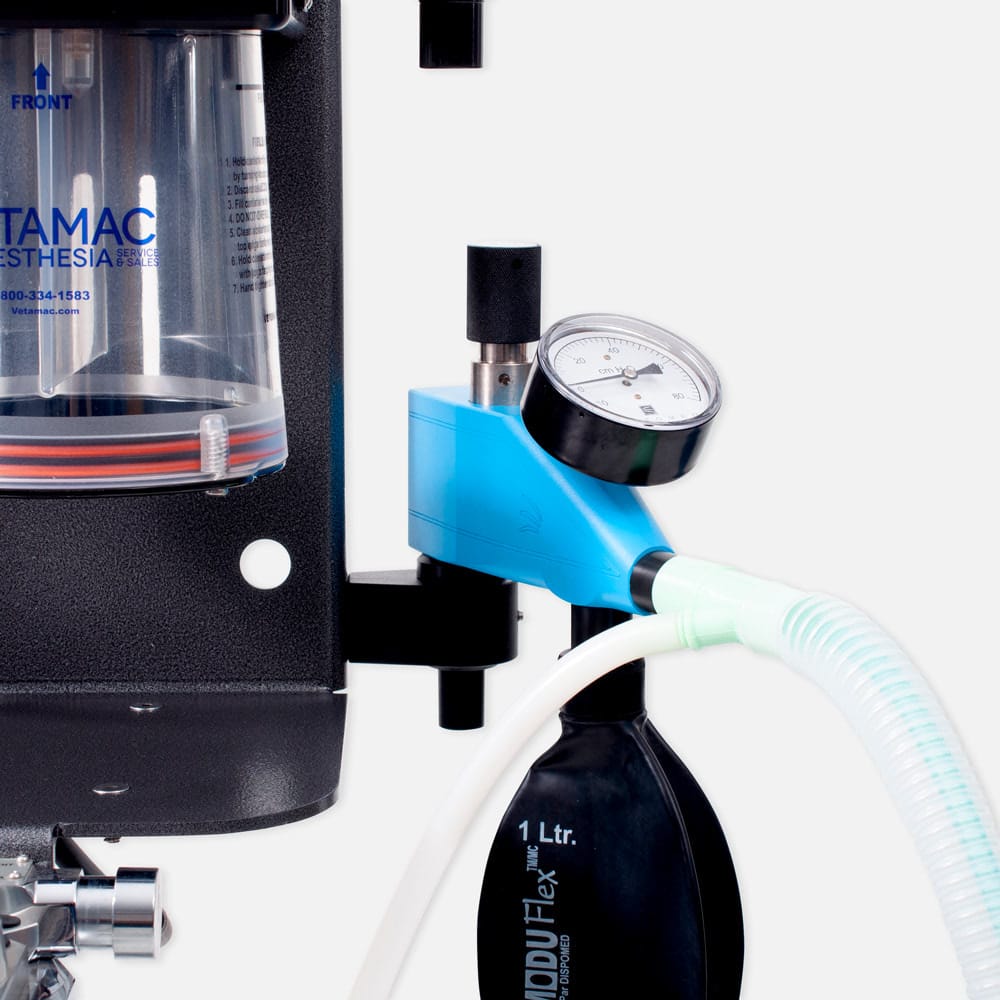
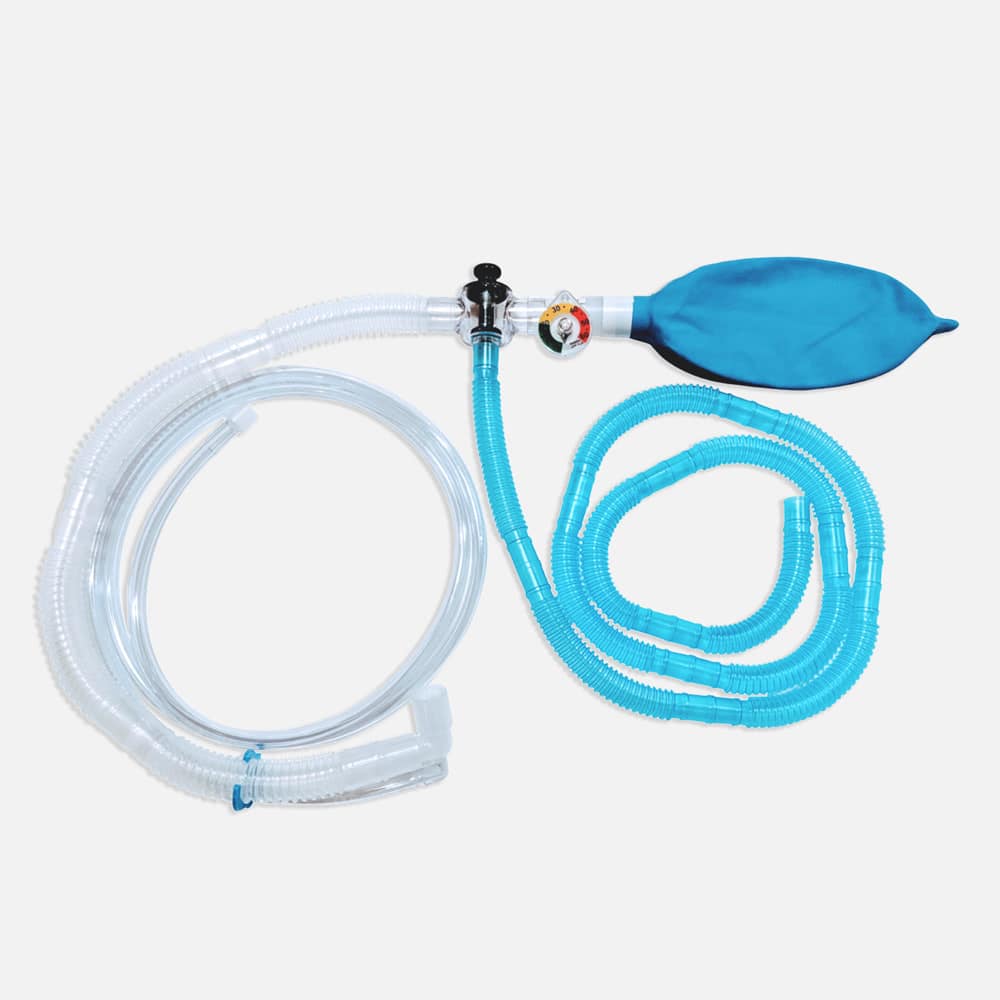
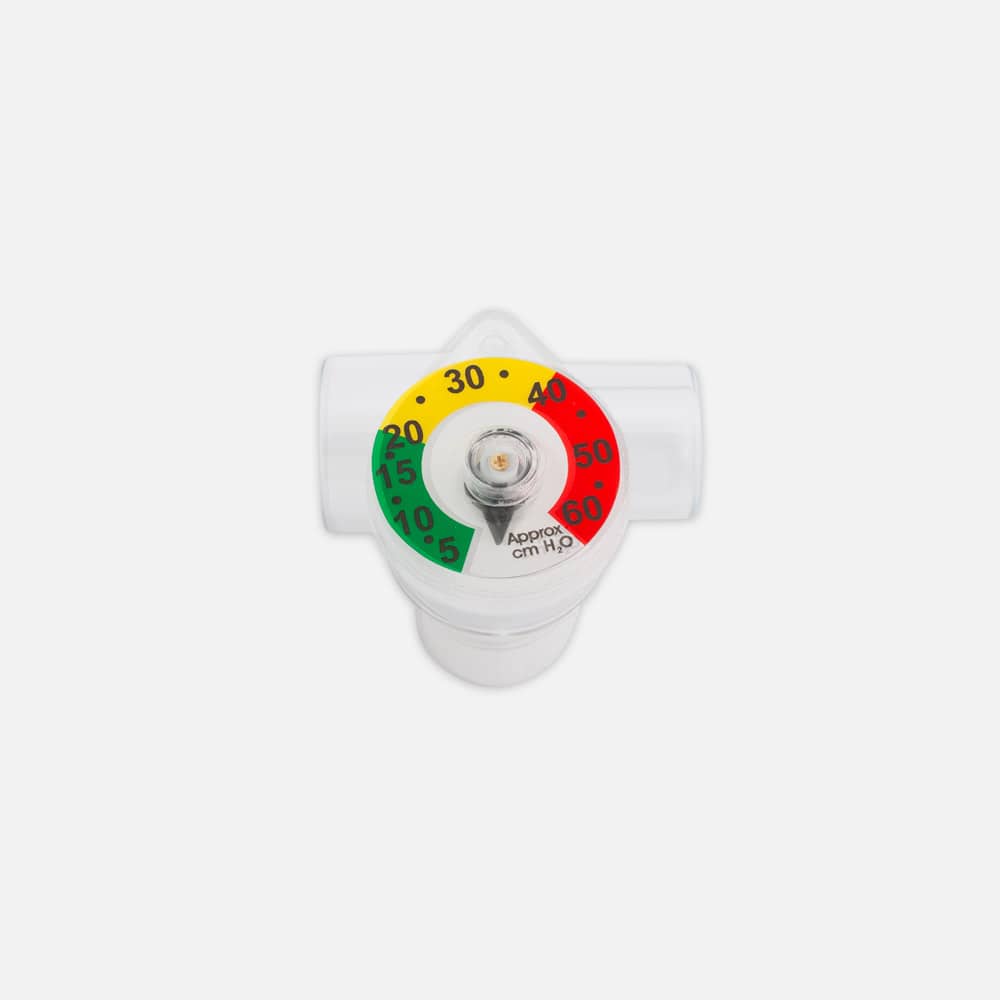
One of the most frequently asked questions about NRB systems concerns the correct oxygen flow rate. In the previous issue of Vapors, we demonstrated how the volume of gas moves through rebreathing tubes. For NRB circuits, fresh gas flows from both the 22 mm tube and the fresh gas flow. To ensure that expired gas is not rebreathed, the expired gas must be transported distally through the 22 mm tubing. This means the gas needs to travel an amount equal to the tidal volume before the next inspiration.
For example, assuming a patient weighs 2 kg with a tidal volume of 15ml/kg, the total tidal volume would be 30ml per breath. With a respiratory rate of 20 breaths per minute, the minimum required flow rate is 600ml/min to ensure adequate gas delivery. While this is the minimum, a higher flow rate may be needed to account for individual variations and system inaccuracies.
The main advantage of NRB systems is the low resistance to breathing, which is particularly beneficial in small animals, where even minor resistance can affect ventilation. Additionally, since expired gas is not mixed with fresh gas, changes in anesthetic concentration occur almost immediately, improving control over the depth of anesthesia.
However, one major disadvantage of NRB systems is the constant fresh oxygen flow, which can cool the patient and dry out the respiratory tract membranes. Despite this, NRB systems are a safe alternative for small patients, offering rapid control over anesthetic depth and minimal breathing resistance.
Non-rebreathing systems like the Bain and Jackson-Rees circuits provide efficient anesthesia delivery in small patients, offering advantages such as quick changes in anesthetic concentration and low breathing resistance. However, they also present some challenges, such as the risk of patient cooling and drying of respiratory membranes. The next issue of Vapors will discuss the use of induction chambers for anesthesia administration.