Introducing the BOSS+ for Enhanced Airway Corrective Surgery Techniques
Introducing the BOSS+: Revolutionize your airway surgeries and surgical procedures with ease, precision, and efficiency.…
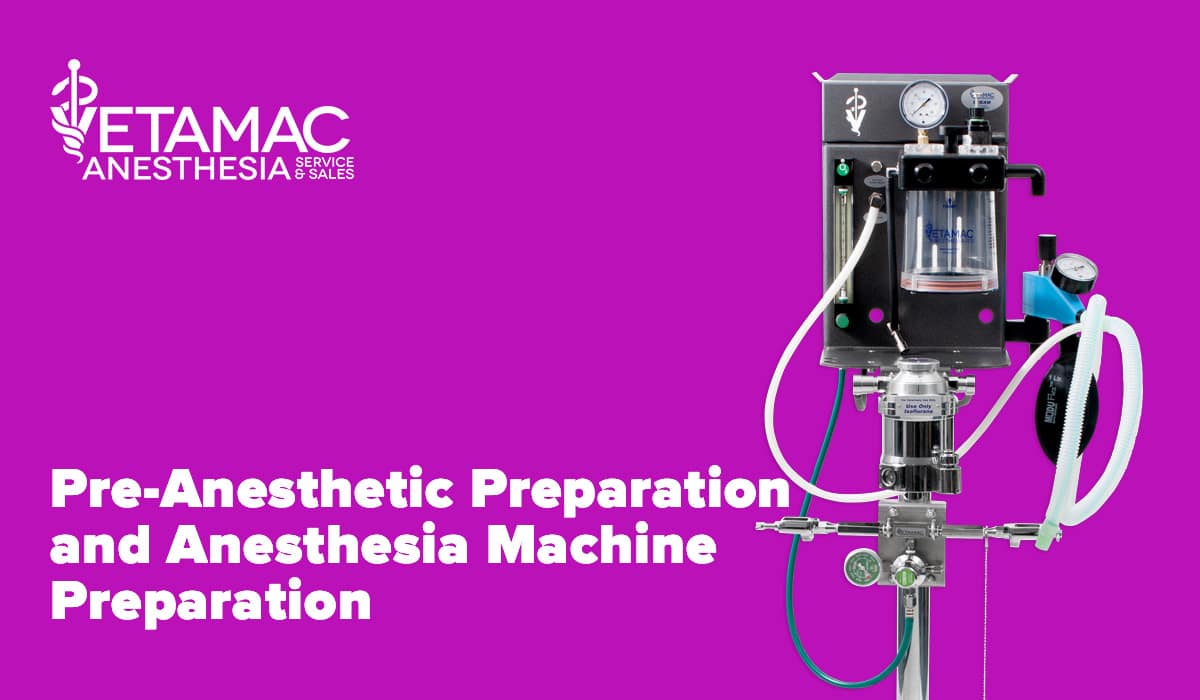
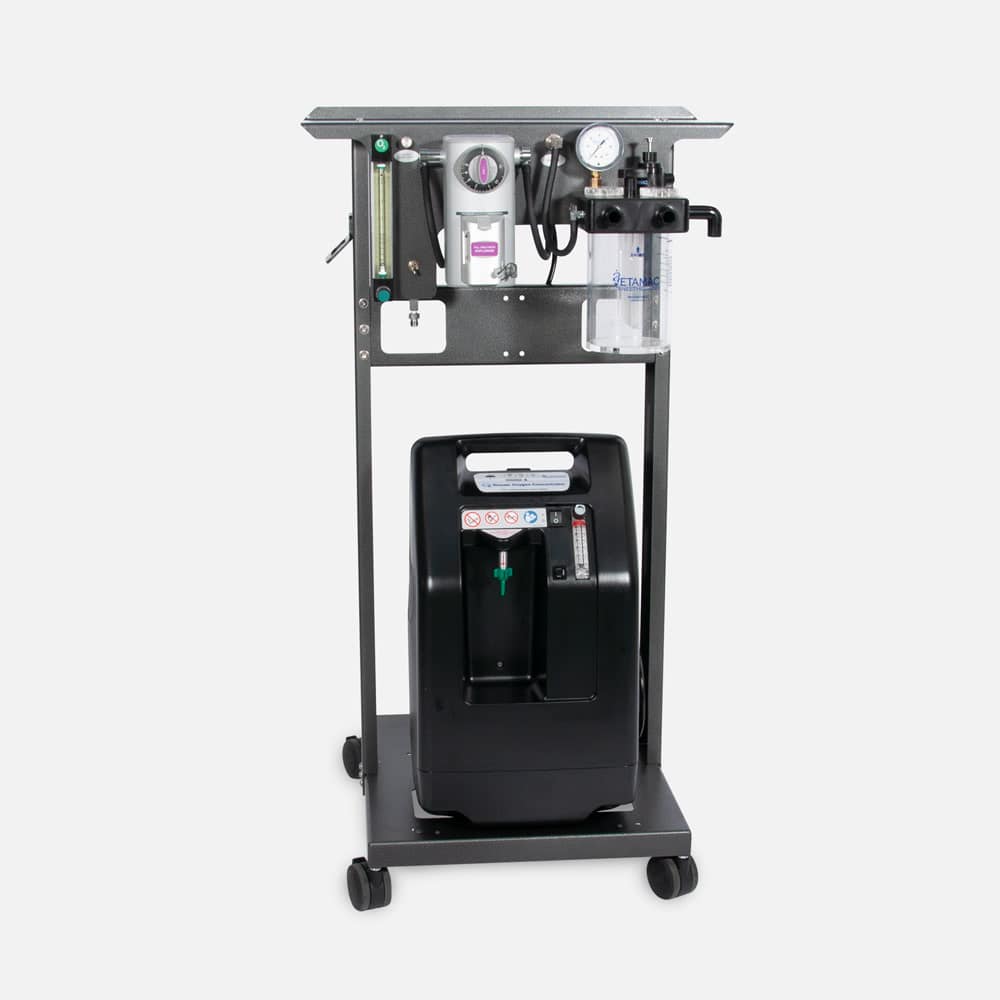
Proper planning facilitates improved performance, and any good anesthetist should have a preanesthesia checklist. This should include a checklist for your patient and your equipment. There are steps that should be performed on your anesthesia machine before EVERY patient is anesthetized. These steps include but are not limited to:
Oxygen is critical for maintaining a patient’s physiological stability during anesthesia and recovery. Before starting any procedure, check the levels in your oxygen tanks or central supply system to ensure there is adequate supply for the entire duration of the procedure and recovery phase. It’s essential to account for any potential delays or complications that may extend the procedure time. Always have a backup oxygen source readily available to prevent interruptions in case of an unexpected depletion or equipment failure. Proactively managing your oxygen supply safeguards both your patient and the success of the procedure.
Below is a chart to help you select the appropriate size based on the patient’s weight. Always keep in mind to metabolic scale if necessary.
| Patient Weight Pounds | Bag Size | Patient Weight Kilograms |
|---|---|---|
| < 20 lbs | 0.5 L – 1 L | < 9 Kg |
| 20 lbs to 44 lbs | 2 L | 9 Kg to 20 kg |
| 44 lbs to 75 lbs | 3 L | 20 Kg to 34 kg |
| 75 lbs to 99 lbs | 4 L | 34 Kg to 45 kg |
| > 99 lbs | 5 L | > 45 kg |
| Patient Weight Pounds | Bag Size | Patient Weight Kilograms |
|---|---|---|
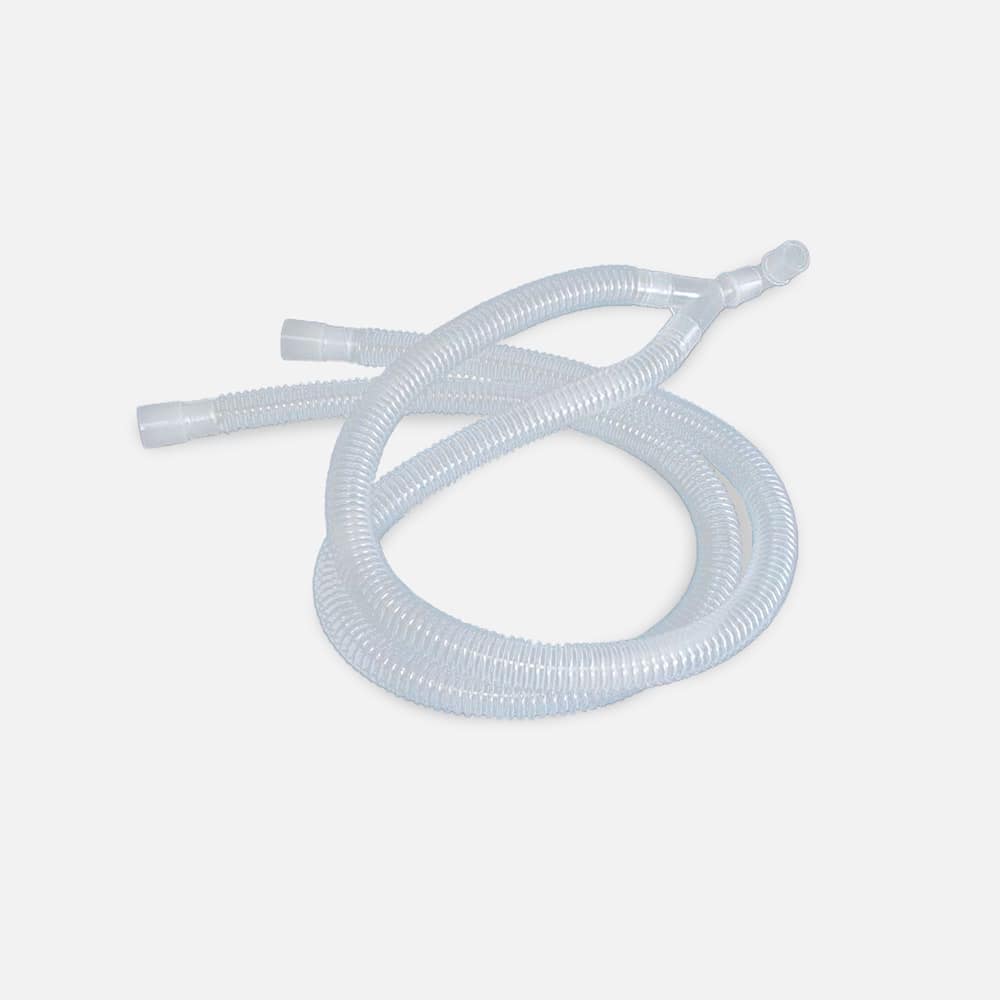
| <= 15 lbs | Non-Rebreathing System | <= 8 Kg |
| 16 lbs to 35 lbs | Pediatric | 9 Kg to 16 kg |
| > 36 lbs | Adult | > 17 kg |
Check that the vaporizer is filled with the correct anesthetic agent and has enough to last through the procedure and recovery. Using the wrong agent or insufficient levels can compromise patient safety and anesthesia effectiveness.
There is no set time for keeping track of the absorbent. Here’s a rule of thumb to keep in mind: If the granules crumble easily, they are good. If they are hard and do not crumble, they are expired and need to be replaced before using the machine. Expired absorbent can lead to dangerous levels of CO2 in the system.
Ensure the waste anesthetic gas (WAG) scavenging system is securely connected and free of obstructions. A properly functioning system protects staff from harmful gas exposure and ensures safe operation during the procedure.