Vol. IV: Carbon Dioxide Removal – Part II
Learn about the proper handling, filling, and testing of absorbent granules in rebreathing systems to…
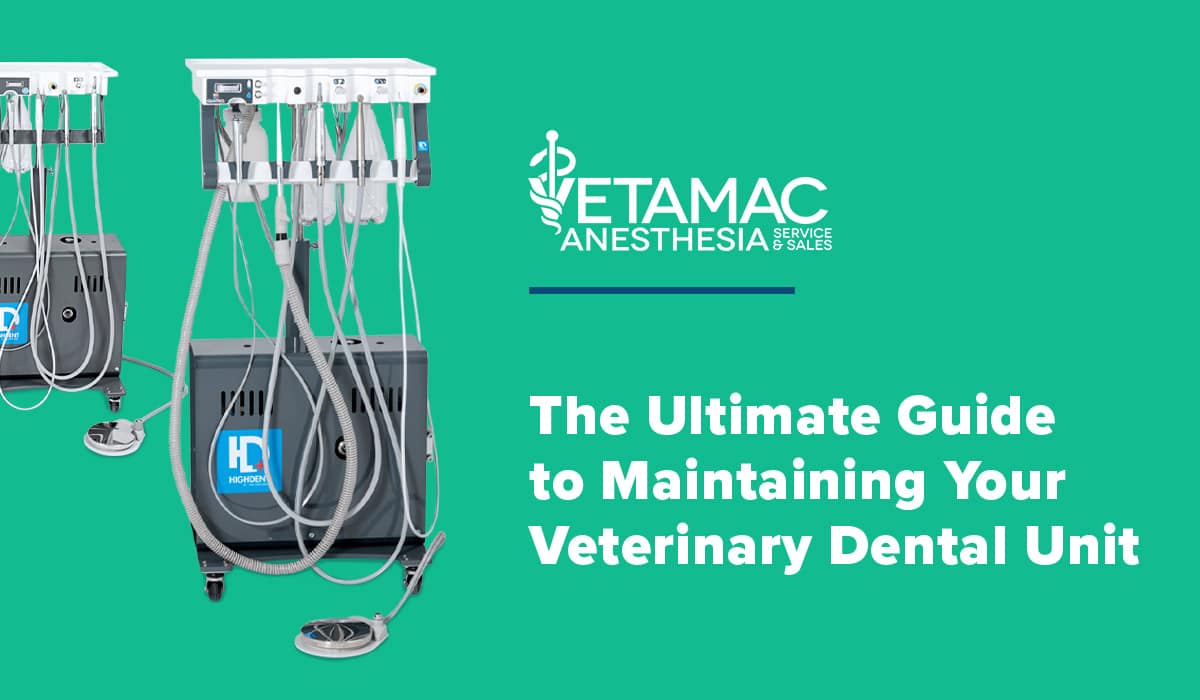
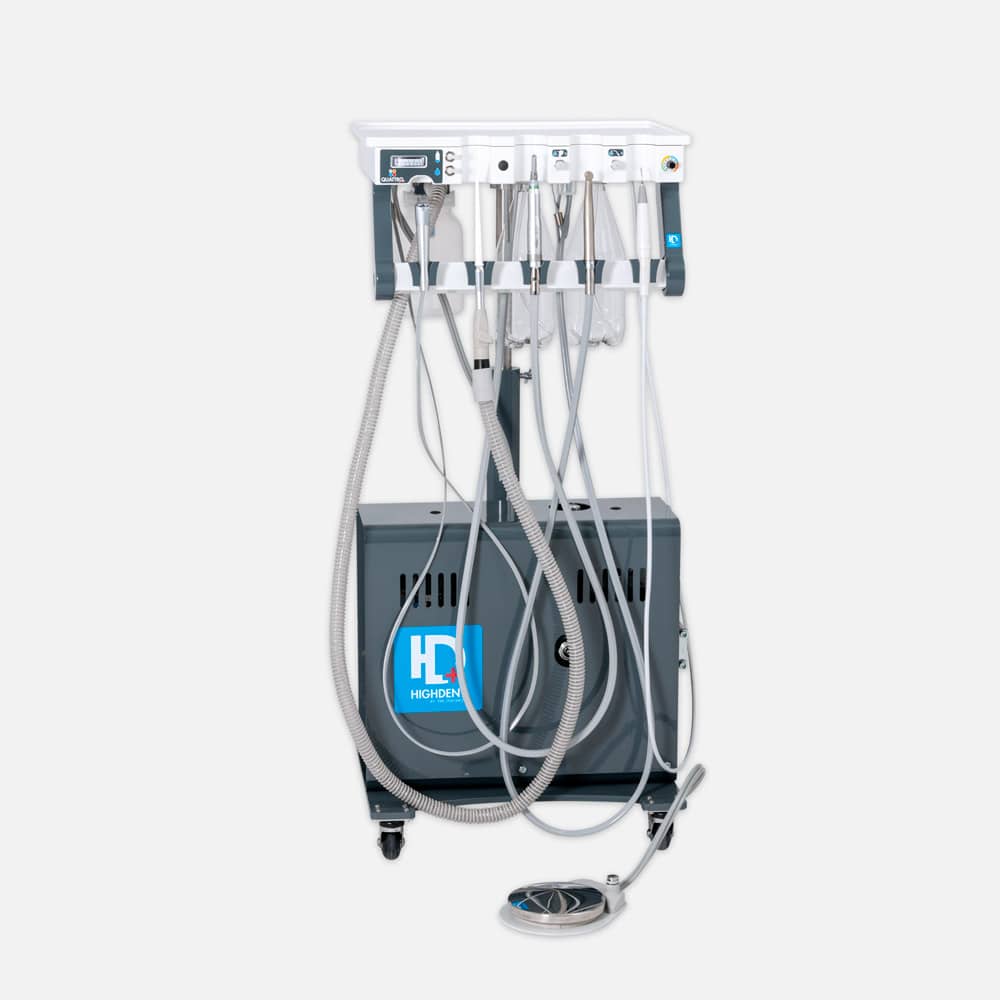
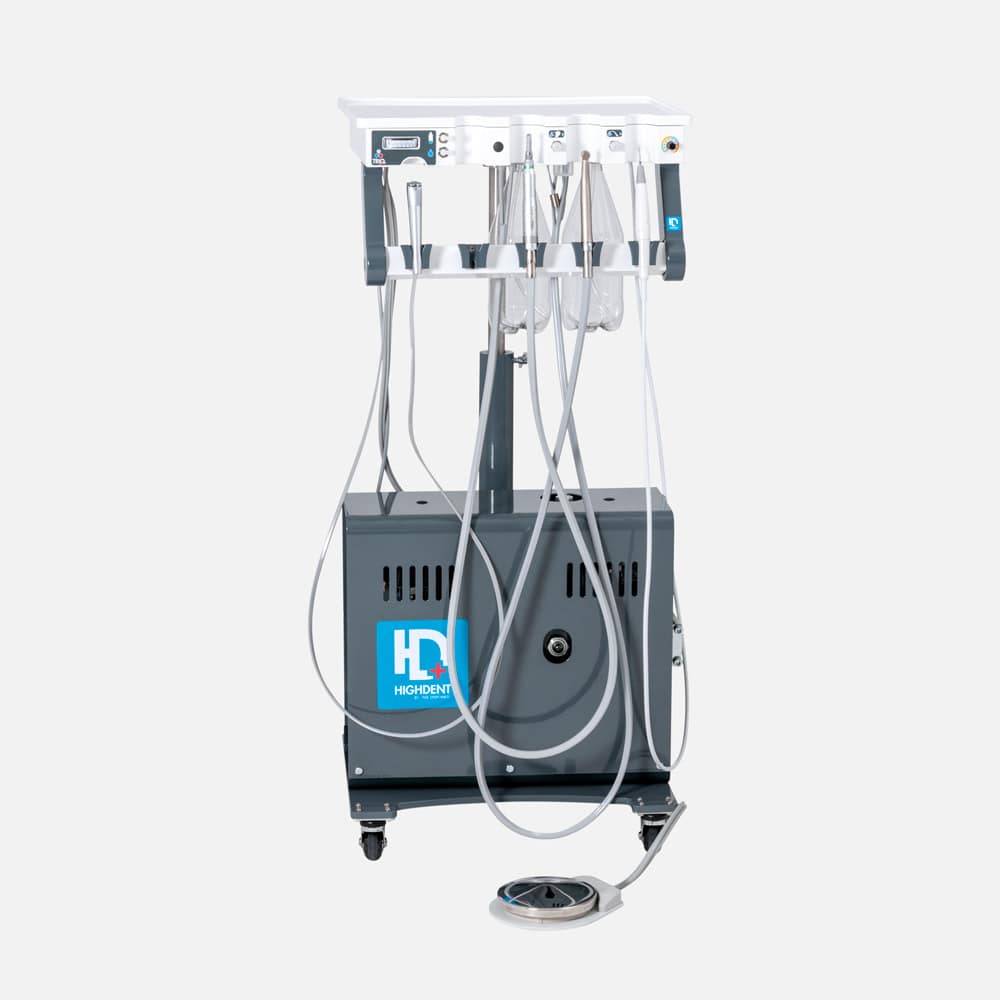
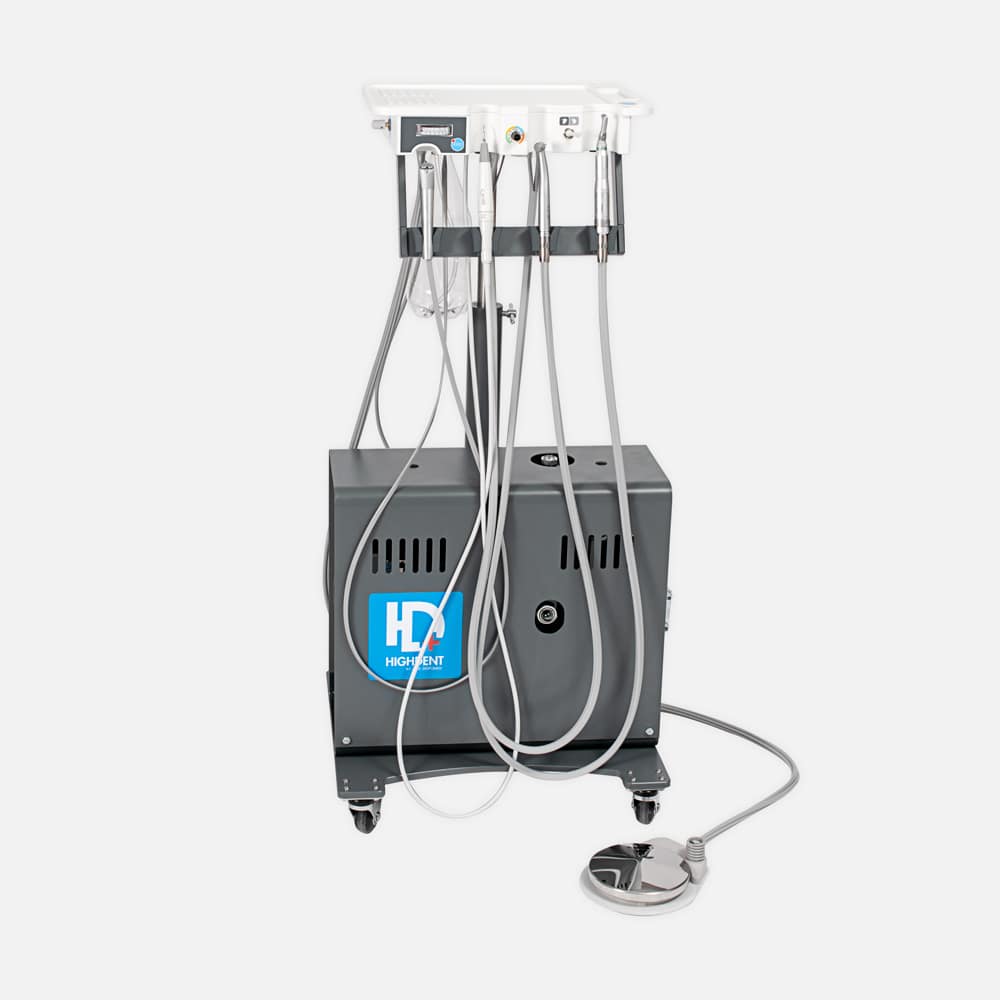
Veterinary dental equipment is one of the most frequently used – and often most overlooked – tools in a veterinary practice. A well-maintained dental unit not only delivers better patient care but also protects your investment and reduces costly downtime.
At Vetamac, we provide expert service and support for veterinary clinics across the U.S., including maintenance and repairs on Highdent veterinary dental equipment. Whether you’re using your unit daily or a few times a week, this guide will help ensure your equipment remains reliable, safe, and efficient.
Your veterinary dental unit handles high-speed rotations, pressurized air, and water – making it vulnerable to wear and contamination over time. Without regular maintenance, you risk:
By following a consistent cleaning and maintenance routine, you can extend the life of your dental unit and minimize service calls.
Keeping your equipment in top shape starts with daily habits. Here’s what you should do after every procedure:
Flush with clean water for 30 – 60 seconds to remove debris and prevent biofilm buildup.
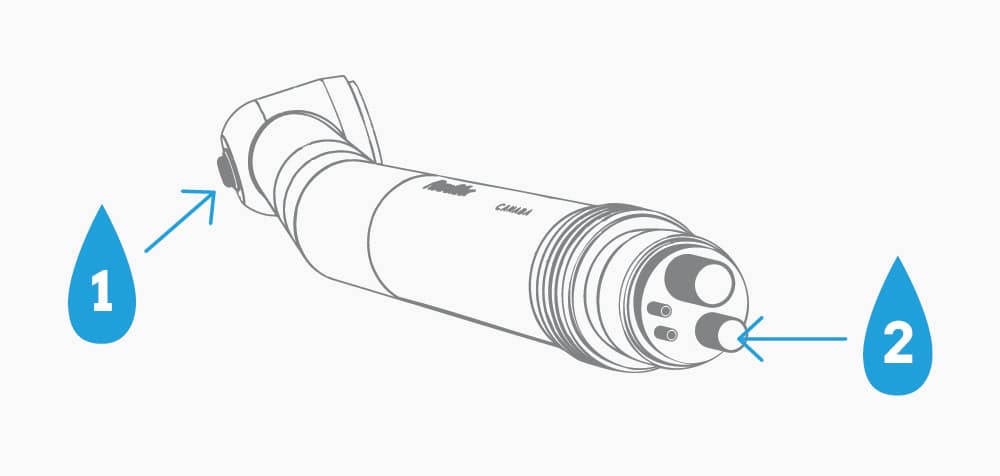
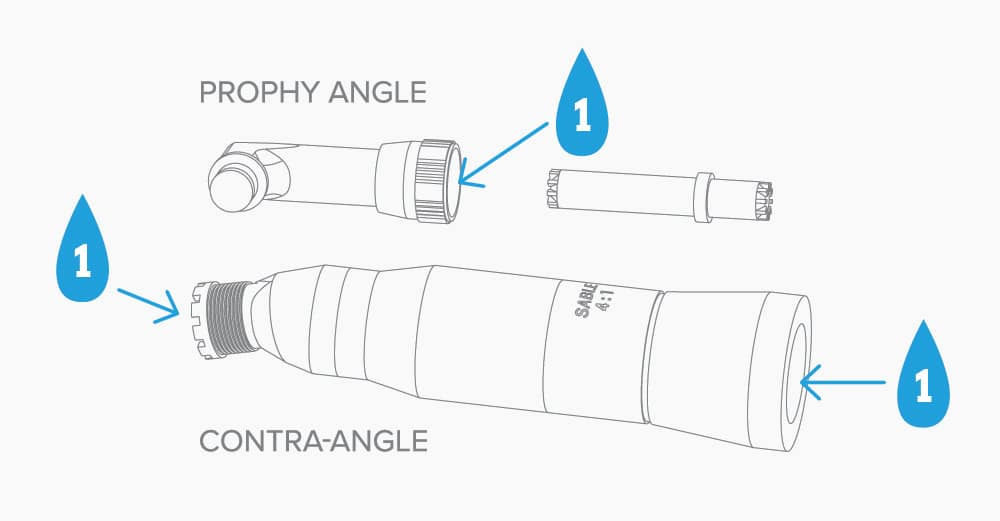
For drop oil, with the bur inserted (for the high-speed), place lubricant (2-3 drops) into the air intake, run and purge the unit for 20 seconds, or until all excess oil is expelled.
For aerosol oil, with the bur inserted (for the high-speed), spray lubricant for 1 second into the air intake and run on purge units for 20 seconds, or until all excess oil is expelled.
If expelled oil is coloured, repeat the lubrication process until expelled oil is clear.
Use a soft cloth with a veterinary-approved disinfectant. Avoid spraying directly onto the unit.
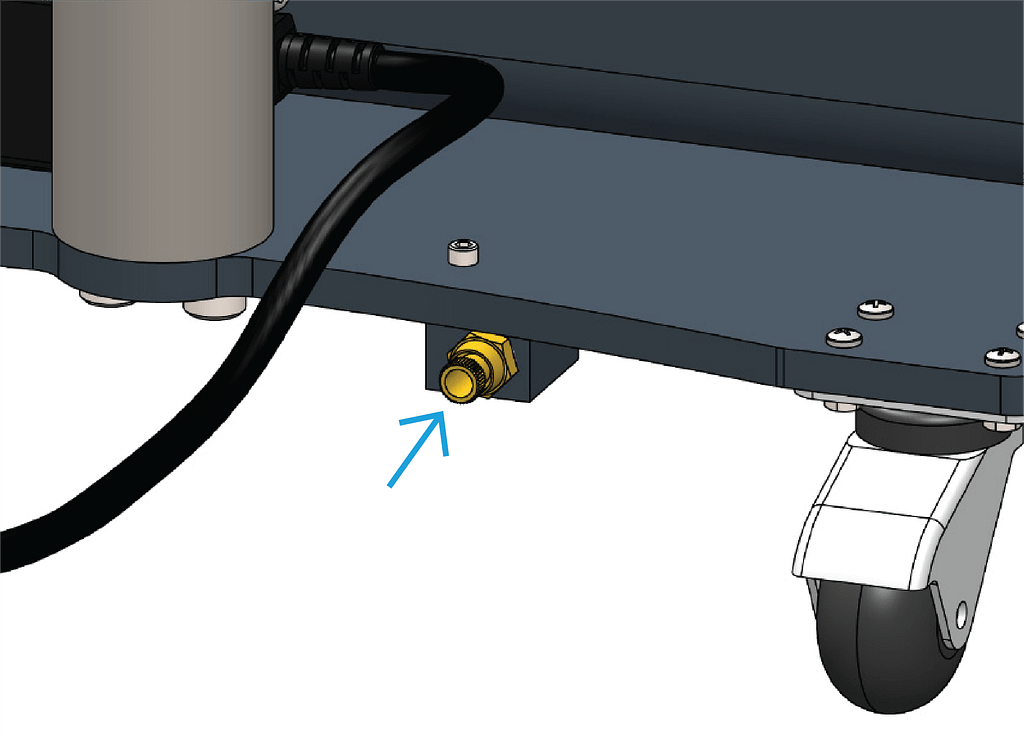
Unplug your compressor at the end of the day and drain all pressure by loosening the hand-tight nut* below the air reservoir . This will also eliminate condensation and prolong the life of the reservoir . DON’T FORGET to tighten the hand-tight nut before starting your day .
*Don’t unscrew completely to prevent the parts from falling
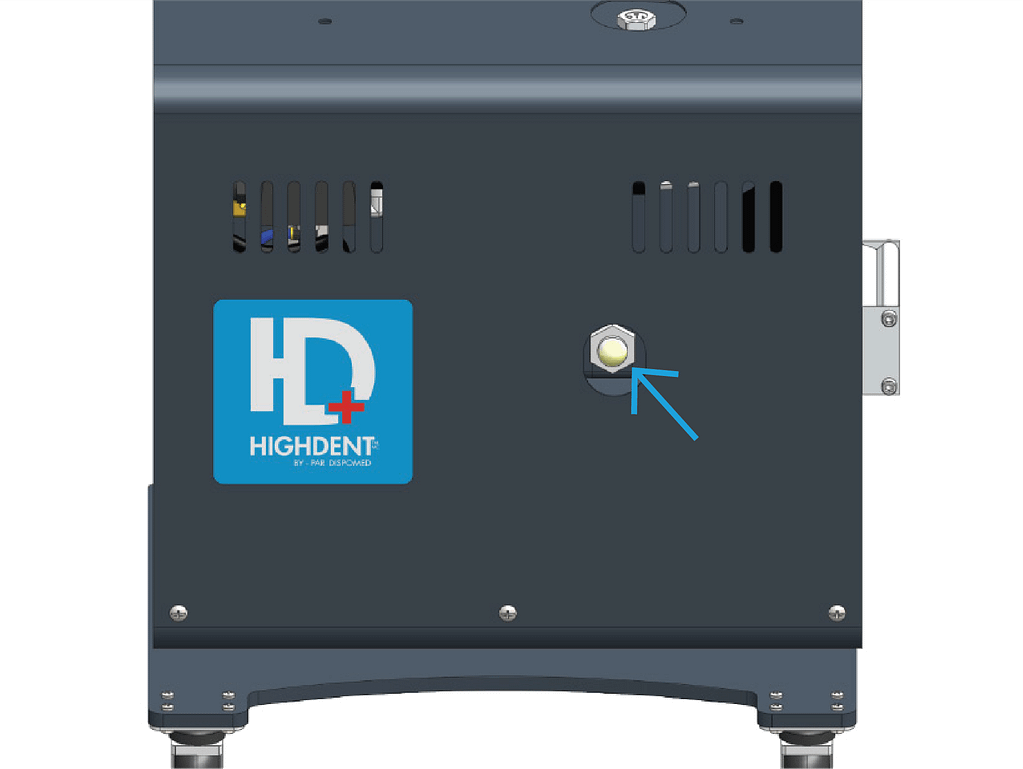
If the oil level is less than half, fill the reservoir slowly by pouring a small quantity of oil at a time . Wait 5 minutes and check the level . Do not fill more than half. Use only compressor oil to fill.
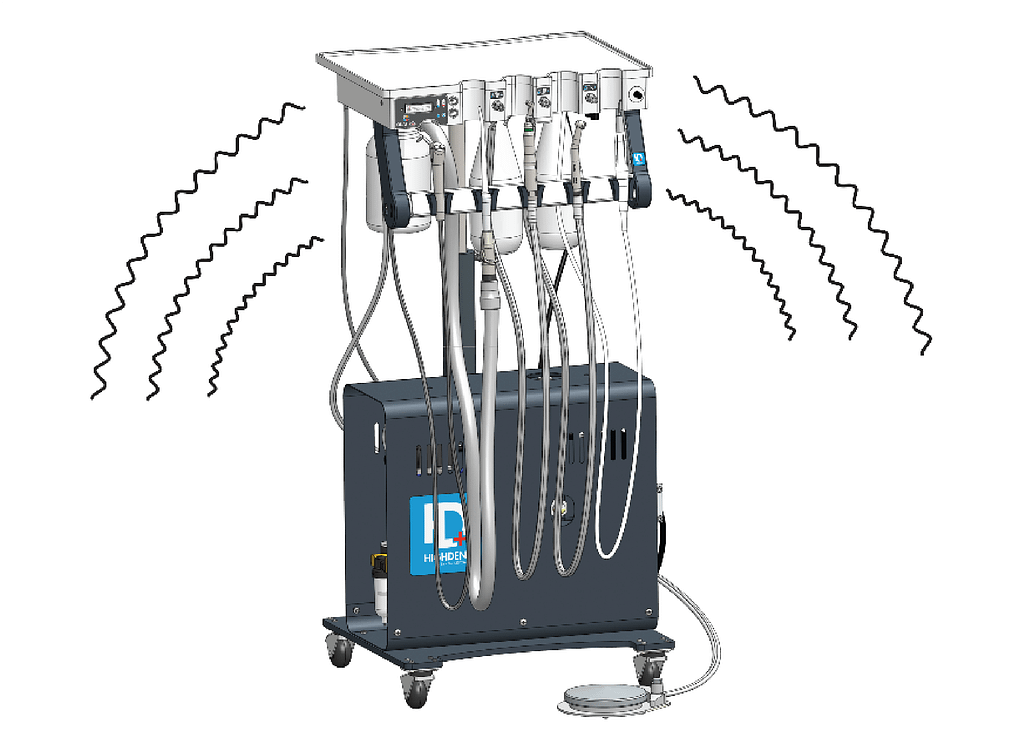
Listen for unusual compressor start-ups . If the compressor starts occasionally when not being used, it is a sign that there is a leak in the system . If this situation is frequent contact the manufacturer for assistance
A detailed inspection by a certified technician is recommended at least once a year. Annual preventive maintenance typically includes:
Contact your certified Vetamac technician to schedule your Highdent dental unit yearly service.
Even with regular care, some components require certified service:
At Vetamac, our experienced technicians provide on-site service across 30 states and can diagnose and repair most issues quickly. We also offer preventive maintenance programs tailored to your clinic’s schedule and equipment.
Train new staff on cleaning protocols to avoid costly user errors
Label lubricants and cleaners clearly to prevent mix-ups
Log each maintenance task in a central location or equipment checklist
Schedule annual preventive maintenance with a qualified Vetamac technician
With over 30 years of experience in veterinary equipment service, Vetamac is your trusted partner for dental unit maintenance, anesthesia systems, oxygen concentrators, and more. We’re committed to helping clinics deliver safe, efficient care – one service call at a time.
Services You Might Be Interested In:
Explore our complete lineup of veterinary dental equipment and maintenance supplies to keep your unit running at peak performance.