Vol. VIII: Gas In Gas Out
Learn how the pop-off valve functions in anesthesia, including when to open, close, and manage…

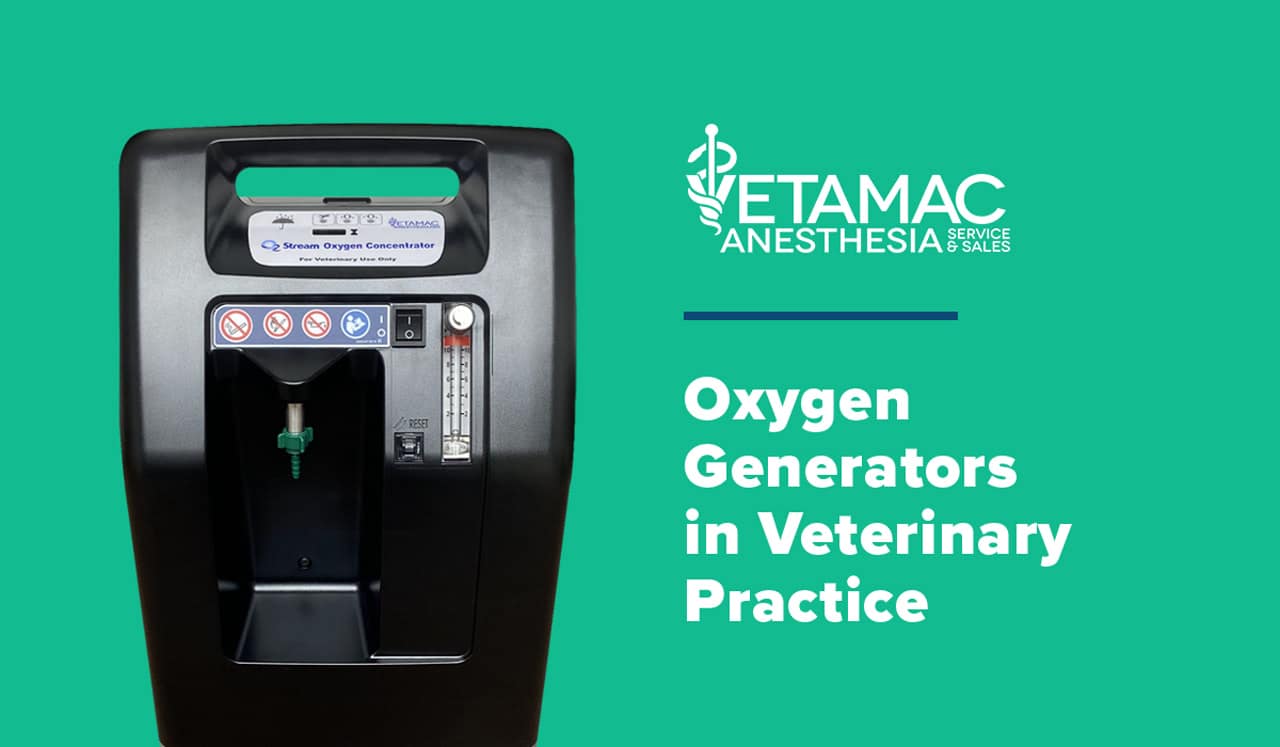
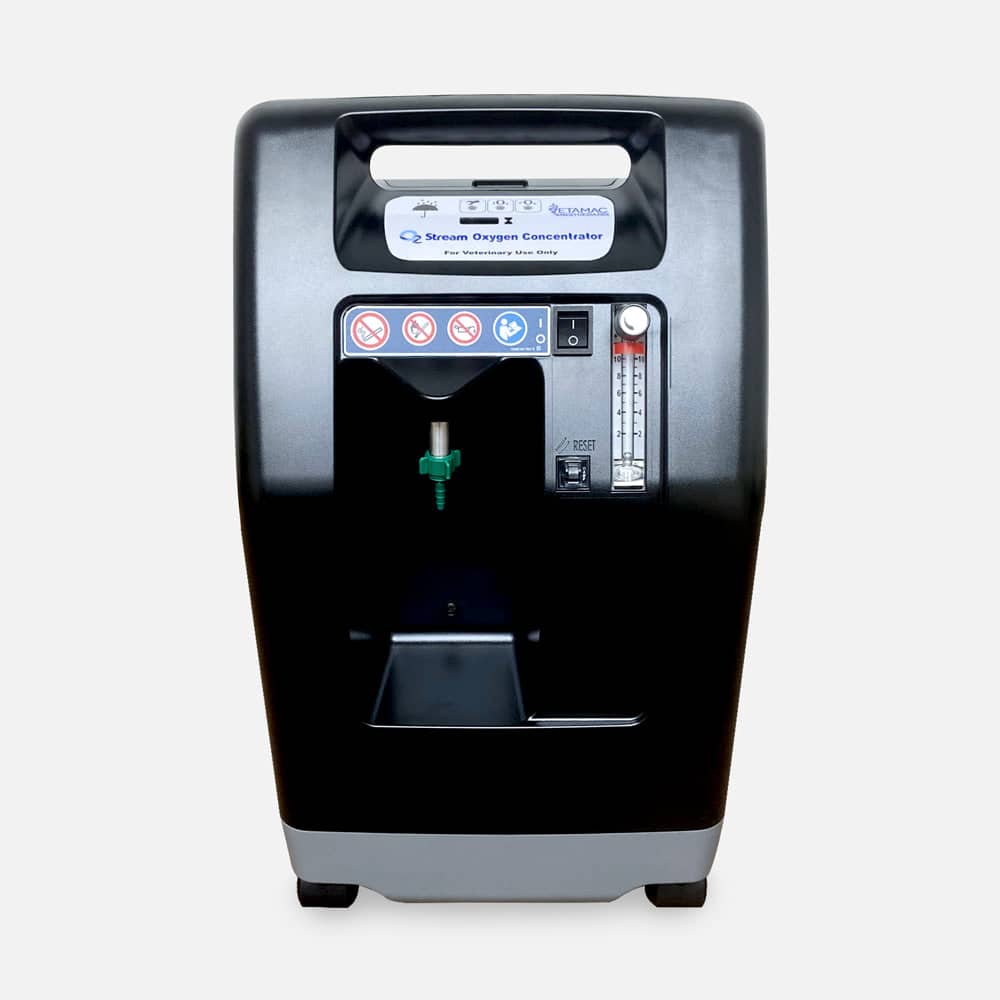
Oxygen generators are generating not only oxygen but also questions about their use in practice. This issue of Vapors will address some of the common questions regarding generators.
Does a generator really get oxygen from the air? The technology is Pressure Swing Adsorption (PSA) and utilizes a molecular sieve composed of zeolite beads that separates the oxygen. Compressed air is forced through a container filled with zeolite 10 beads. The beads are manufactured with very small pores (approximately 3x 10- meters) that will trap the nitrogen and let the oxygen pass through. When the pressure is released, the nitrogen is released.
To maintain a constant flow of oxygen, at least two sieve beds are required so that the pressure can “swing” from one side to the other using valves (see below pressure swing adsorption technology stages). Some small personal oxygen units use a rotating carousel of sieve beds such that only one sieve bed aligns with the compressed air line. The carousel stops at each sieve bed for a specific time and then rotates to the next and this allows the nitrogen to be removed before it is pressurized again. The time that each sieve bed is pressurized must be precisely timed because the sieve bed becomes increasingly saturated with nitrogen. If the pressure is not released, then air will exit the sieve bed instead of oxygen. When the pressure is switched to another sieve bed, the nitrogen is released into the air.
How practical are generators? The answer to this question depends on several variables.
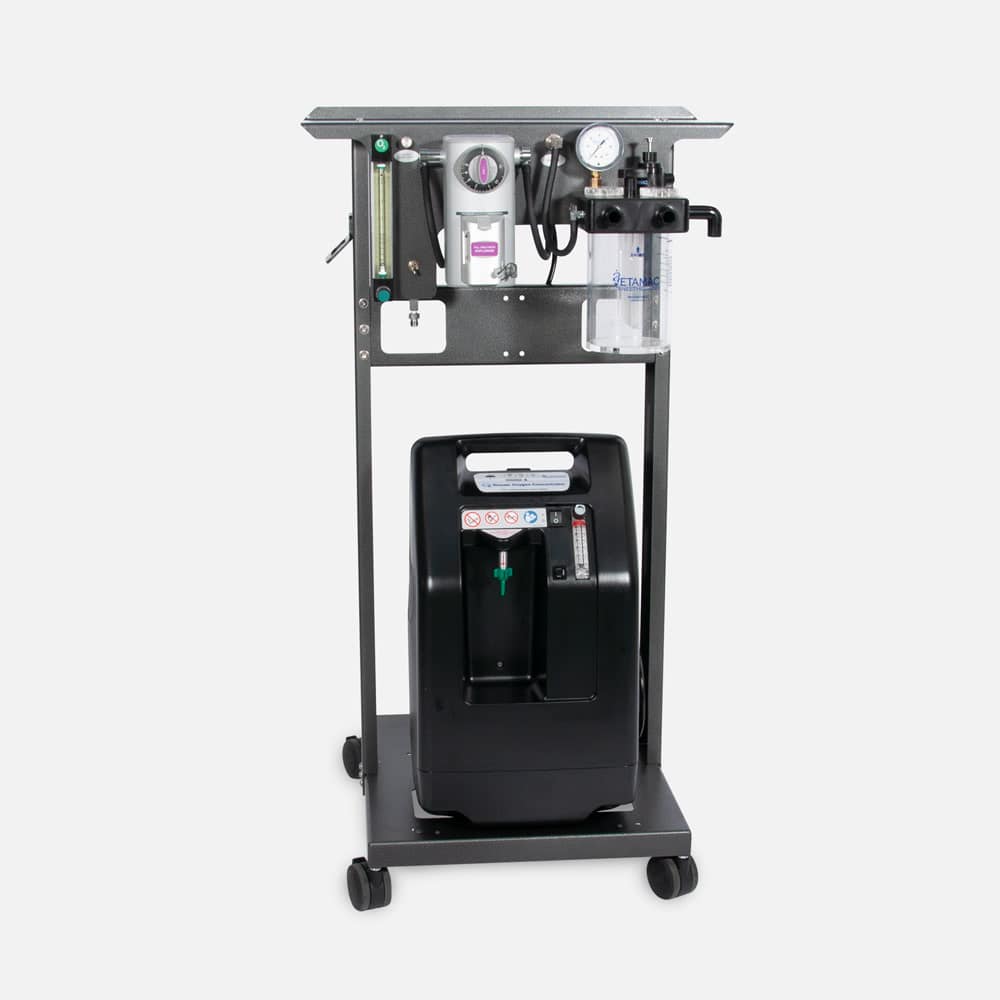
All of these factors must be given appropriate evaluation before a generator is purchased. Space is important not only from the perspective of “will it fit?” but also is there adequate space to allow access for service. Questions have arisen about locating a generator in the attic. There may indeed be space but the attic does not have climate control and access could be very difficult for routine maintenance or service. One important practical consideration is the output pressure of the oxygen. If a ventilator is used, the required pressure is S0psi. If a central oxygen system is in place, 20 psi is sufficient to supply all outlets in the system. If the generator is tailored to the demand for oxygen, i.e. the demand is 60%-80% of the capacity of the generator, there cannot be any leaks in the piping system. These leaks will cause the demand to be increased and may exceed the capacity of the generator. If the capacity is exceeded, the oxygen purity will be compromised and may also cause damage to the sieve beds.
Finally, are oxygen generators economical? A practice must calculate the cost of using oxygen from a vendor. This must include not only the cost of the oxygen but any demurrage on the tanks, delivery charges, hazmat charges, and any additional fees. A generator should pay for itself in 3-5 years if it is going to be economical. However, some practices consider the advantage of not having high pressure oxygen tanks in the building. This is not necessarily an economic consideration but may be a factor in choosing to use a generator. In most circumstances, an oxygen generator is a viable option as a source for oxygen.
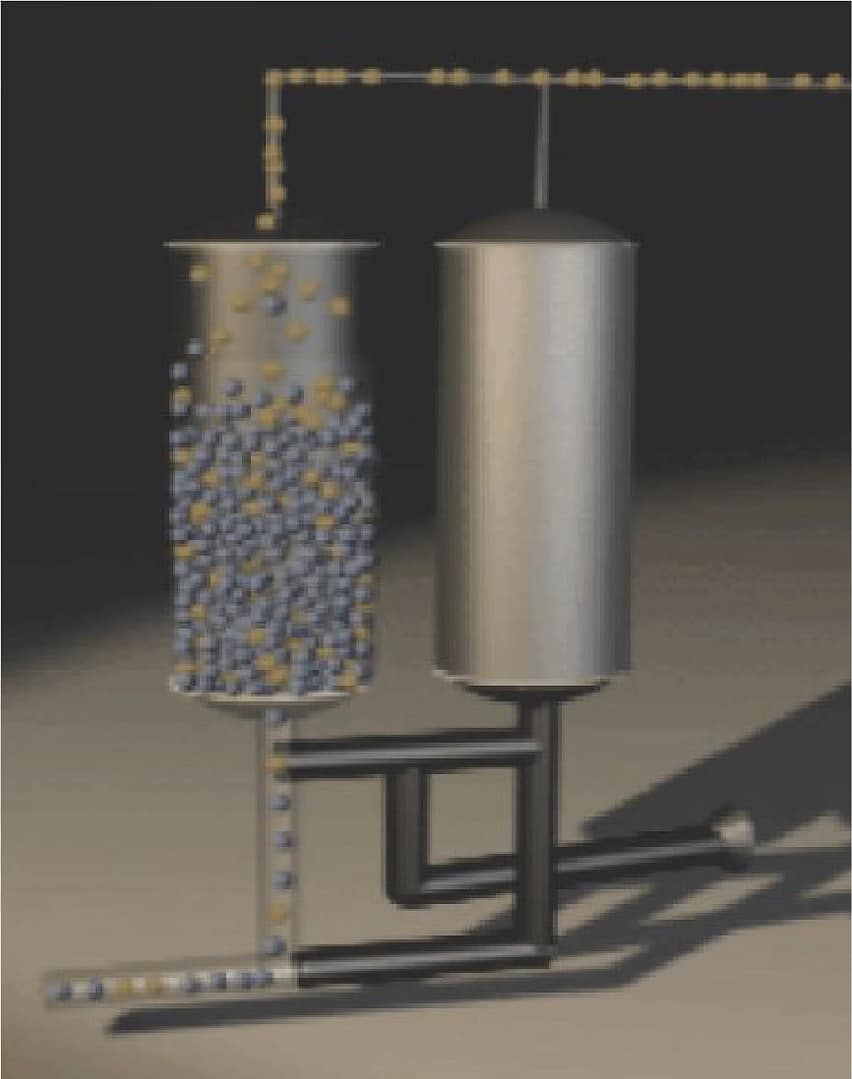
Compressed air is fed into the first molecular sieve bed. Nitrogen is trapped, while oxygen is allowed to flow through.
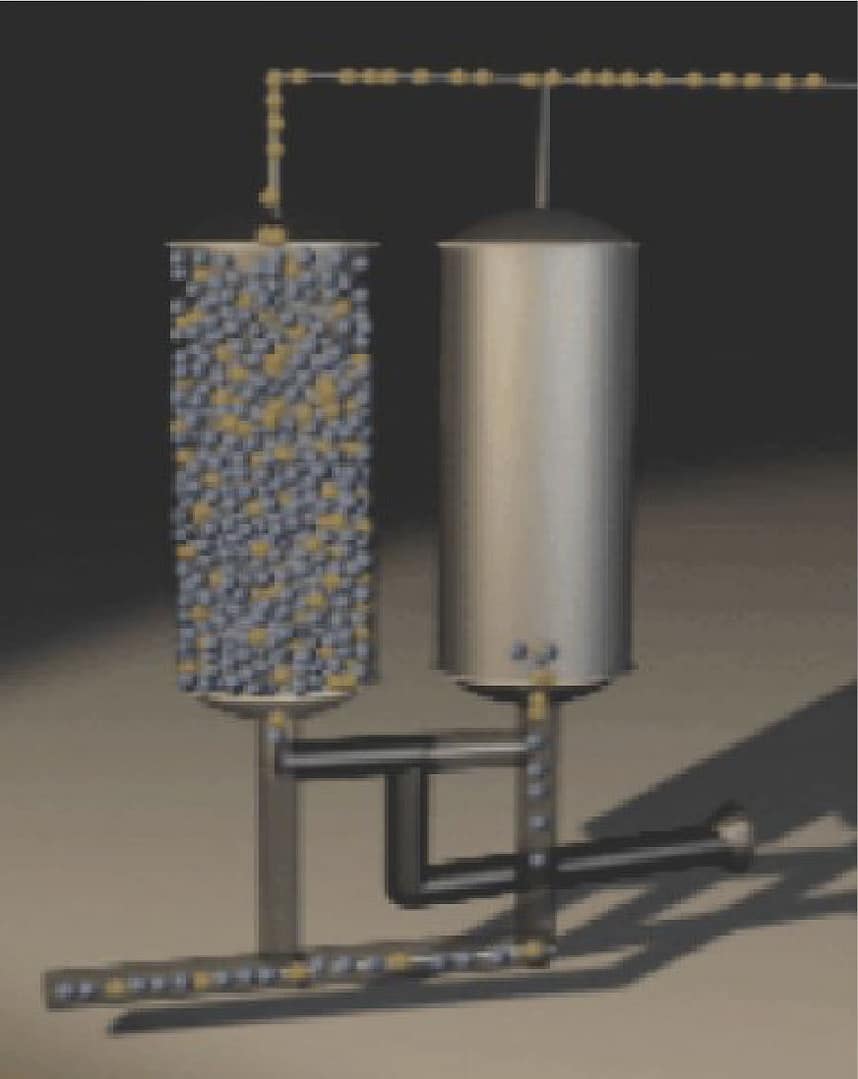
When the sieve in the first bed become full of nitrogen, the airflow is then directed into the second bed.

As the second bed separates the oxygen from the nitrogen the first bed vents its nitrogen into the atmosphere.
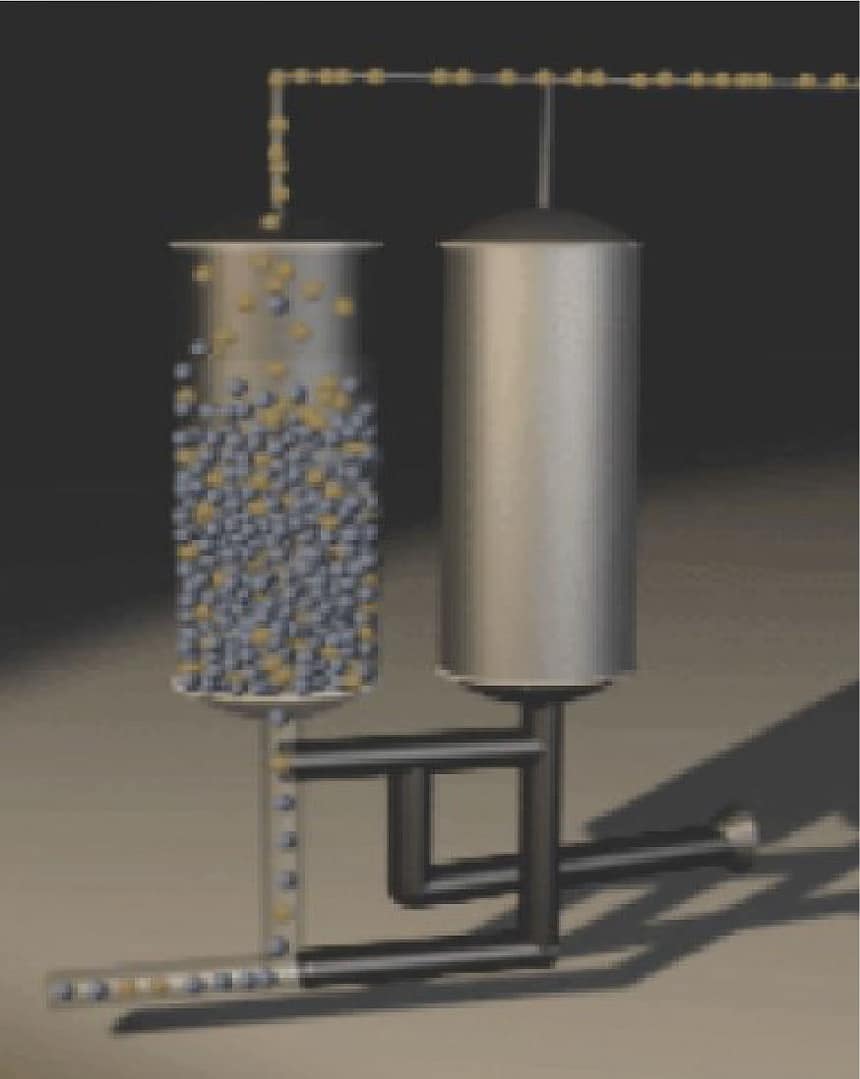
Compressed air is once again fed into the first bed, and the process is repeated continuously. A constant flow of oxygen is produced.