Did You Know Your Oxygen Costs? Discover How Much You Could Save!
Discover how much you could save on oxygen costs with our insightful guide. Uncover potential…

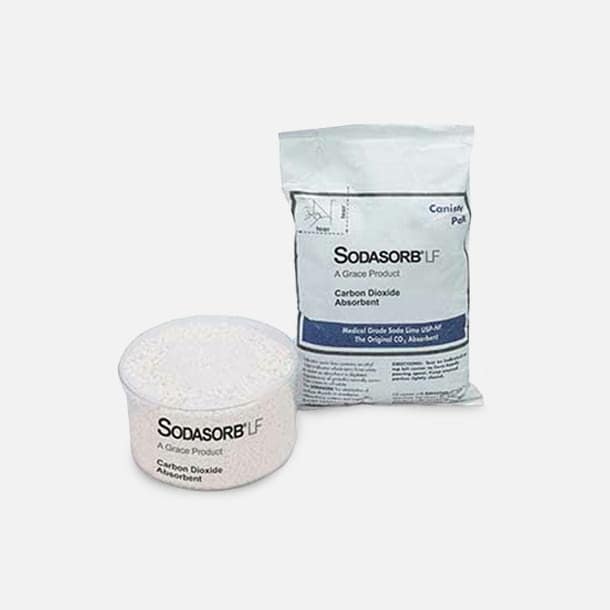
The last two issues of “Vapors” have discussed the chemical removal of carbon dioxide by granules composed of barium hydroxide and calcium hydroxide. This issue will discuss how the canister that contains the absorbent can affect the efficiency of absorption.
There are two types of canisters defined by the movement of gas through the canister:
Since the one-way canister has a seal on both the top and bottom surfaces, there is a greater potential for leaks. Soda sorb granules and dust can accumulate on the lower gasket or sealing surface, preventing the canister from forming a tight seal. This is one of the most common causes of leaks in an anesthetic circuit. Care must be taken to ensure all surfaces are clean and free of soda sorb dust and granules.
The two-way canister has less potential for leaks since it seals only at the top. However, there are considerations to keep in mind:
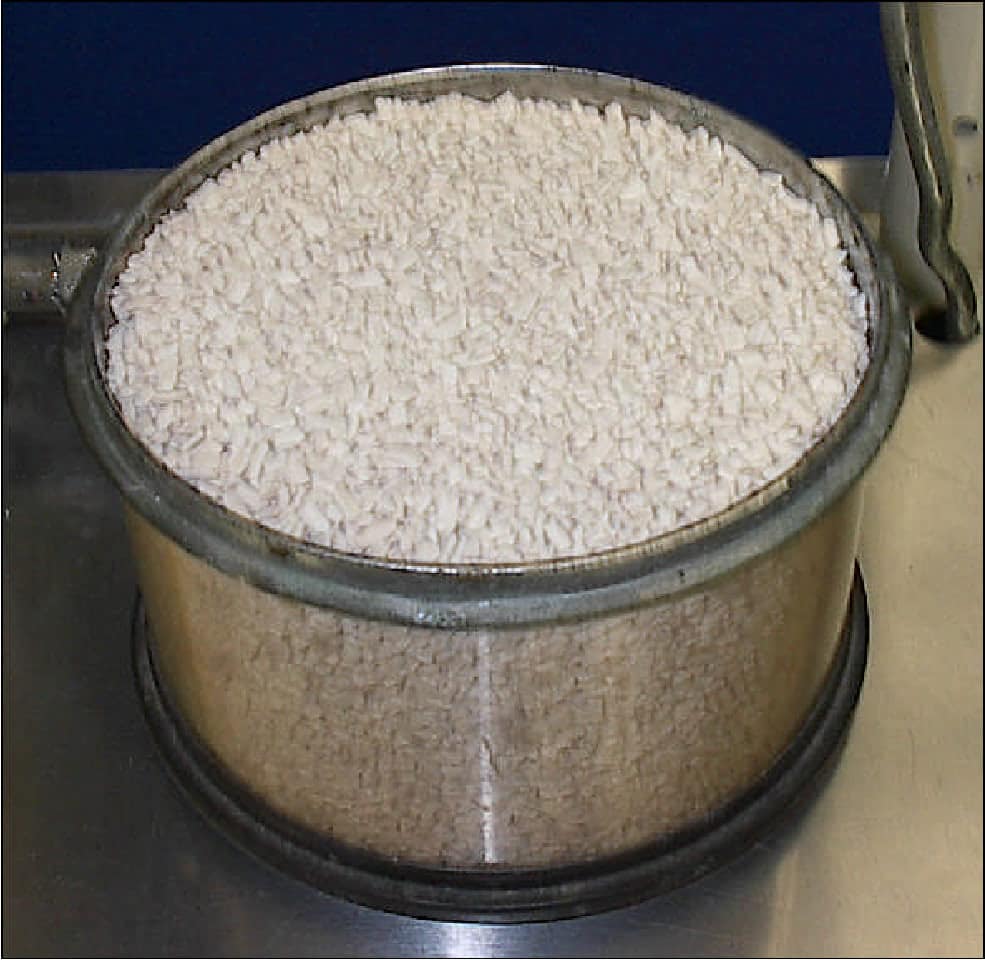
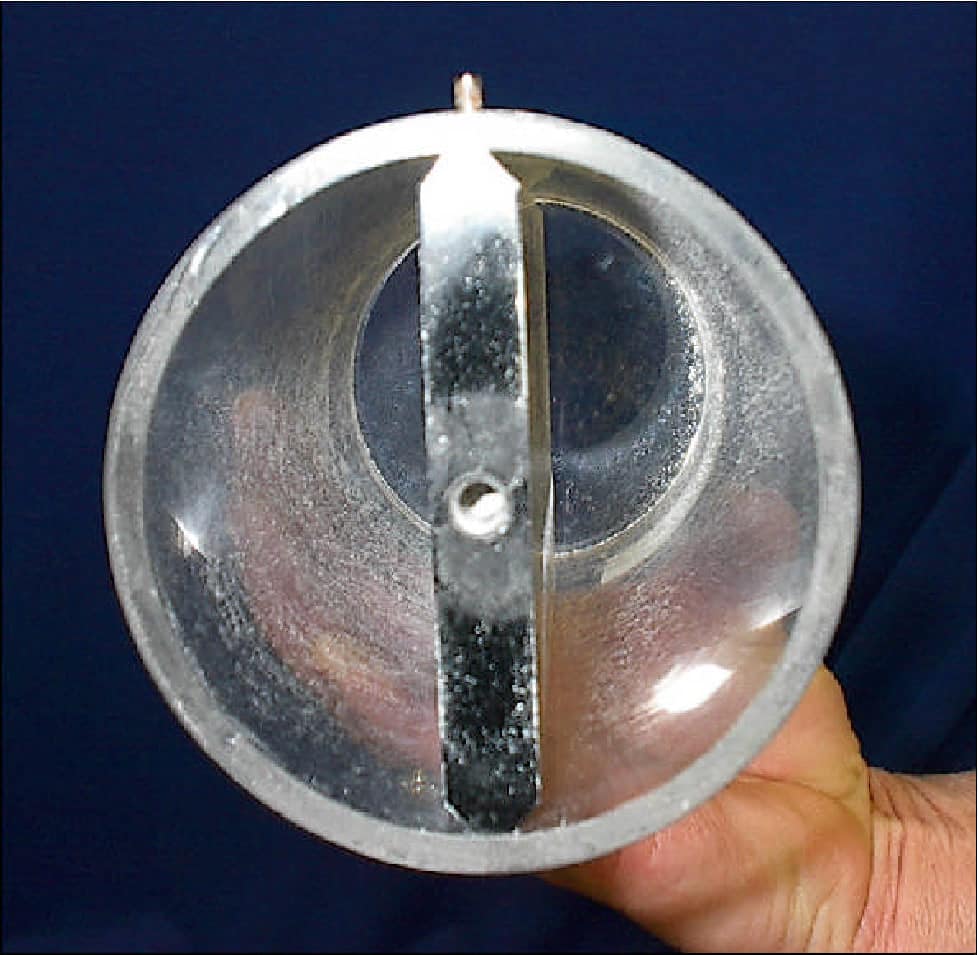
It is not necessary to fill soda sorb canisters to the very top. Overfilling can cause granules to fall off or rub against the surface of the absorber gasket when the canister is placed into position. A 1/2 to 3/4 inch space should be left at the top of the canister.
The resistance to flow of gas along the inside wall of the canister and along any baffle or return tube (in a two-way canister) is less than in the center of the absorbent mass. This is known as the “wall effect”, and it is caused by the open spaces created where the granules contact the smooth surface. These spaces exist because there are no protuberances from nearby granules to fill the gaps.
To help minimize this effect, the granules should be packed by tapping the sides of the canister. This facilitates a more uniform flow through the canister.
Channeling is a pattern of non-homogeneous flow through the center of the absorbent mass. If the granules are not packed uniformly, the gas will follow the path of least resistance through the granules. This forms channels that bypass most of the absorbent. This effect can also be prevented by proper packing of the granules.
The following chart summarizes the difference between the two types of canisters:
| Two-Way | One-Way | |
|---|---|---|
| Potential for Leaks | Less | More |
| Filing | More Difficult | Easy |
| Potential for Wall Effect | More | Less |
| Potential for Channeling | Same | Same |
We have received several complaints recently of the soda sorb turning blue within 2-3 hours of use. On one occasion, I have seen the whole canister blue after only two days. This problem should be referred to the distributor that sold the soda sorb.


Veterinary Specialist Articles