Vol. V: Isoflurane vs Sevoflurane: Key Differences in Physical Properties – Part I
Compare the key physical properties of isoflurane vs sevoflurane in this detailed guide, essential for…

The previous issue of Vapors compared some of the important physical properties of isoflurane and sevoflurane. That’s not new. The focus of this issue will be generic sevoflurane and its use in clinical anesthesia. This is new. The first FDA-approved generic sevoflurane for veterinary use is Petrem™. Some questions have arisen regarding this new product. Can it be used in any vaporizer? Is it as safe and effective as Sevoflo™?
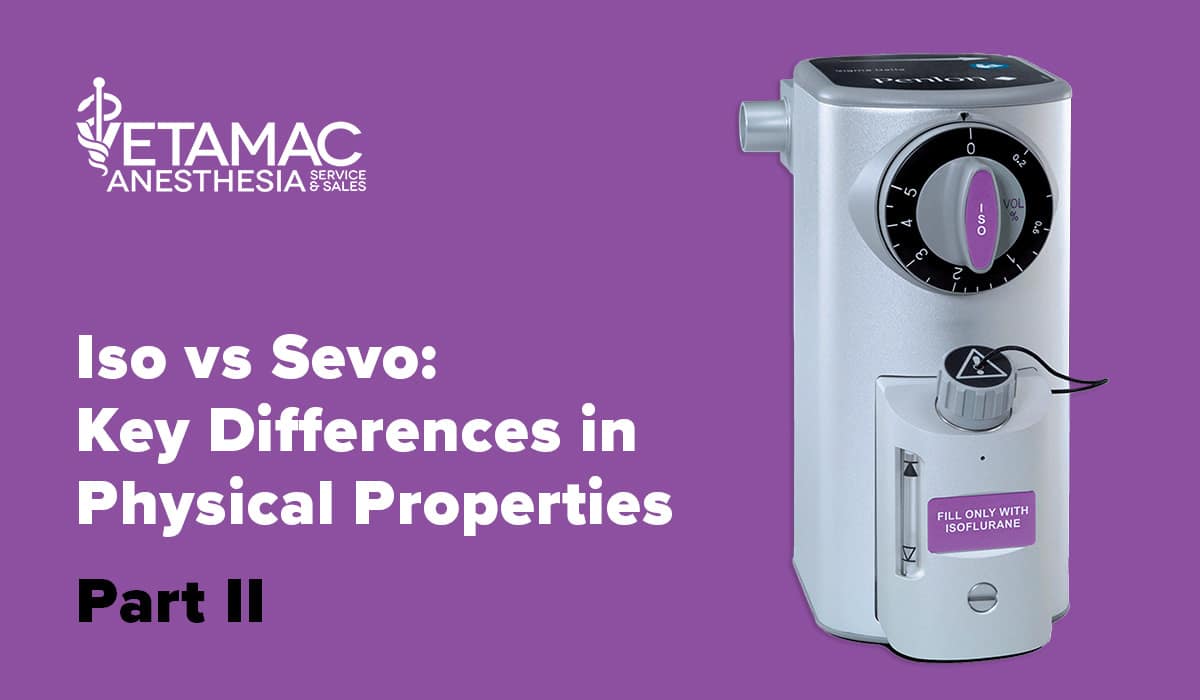
The first question relates to some problems with the use of the Penlon vaporizer for sevoflurane. There were some issues in the mid-1990s with sevoflurane degradation in the bottles in which it was supplied. This also created problems with some components in the Penlon vaporizer fill spout and sight gauge. This degradation is linked to Lewis acids that result in deflourination of the sevoflurane.
The initial source of Lewis acids in 1996 was traced to a single valve connected to a bulk sevoflurane shipping container in Japan. The Lewis acid on the valve was identified as iron oxide or rust1. Certain glass products and other metal halides and oxides can also result in degradation. One solution to this problem is the addition of small amounts of a Lewis acid inhibitor to the liquid sevoflurane, such as thymol. But, the most convenient Lewis acid inhibitor (or Lewis base) is water. Abbott Laboratories patented this process, and their final sevoflurane product contains 330 ppm of water.
However, if there are Lewis acids present, the water will be consumed very quickly in the degradation process. Once the water has been consumed, degradation will continue. The generic sevoflurane contains < 130 ppm of water. This difference in water content has led to questions and misinformation about generic sevoflurane. The real issue, however, is quality control. If the previously mentioned initial contamination due to the faulty valve had not occurred, much of the misunderstanding would be non-existent.
Petrem™ brand of sevoflurane is chemically and therapeutically equivalent to Abbott’s product. There are several distributors selling Petrem™, and some of them are also including a vaporizer if you agree to purchase a certain amount of product. One such contract requires twelve bottles of Petrem™ per year.
Vetamac recommends that if a contract is signed, it should be for a Tec 3-style sevoflurane vaporizer. The vaporizer manufactured by Universal Vaporizer Support (UVS) is preferred. The Tec 3 EX has all the benefits of the “old style” Tec 3 but has double the capacity — 250cc versus 125cc of liquid agent.
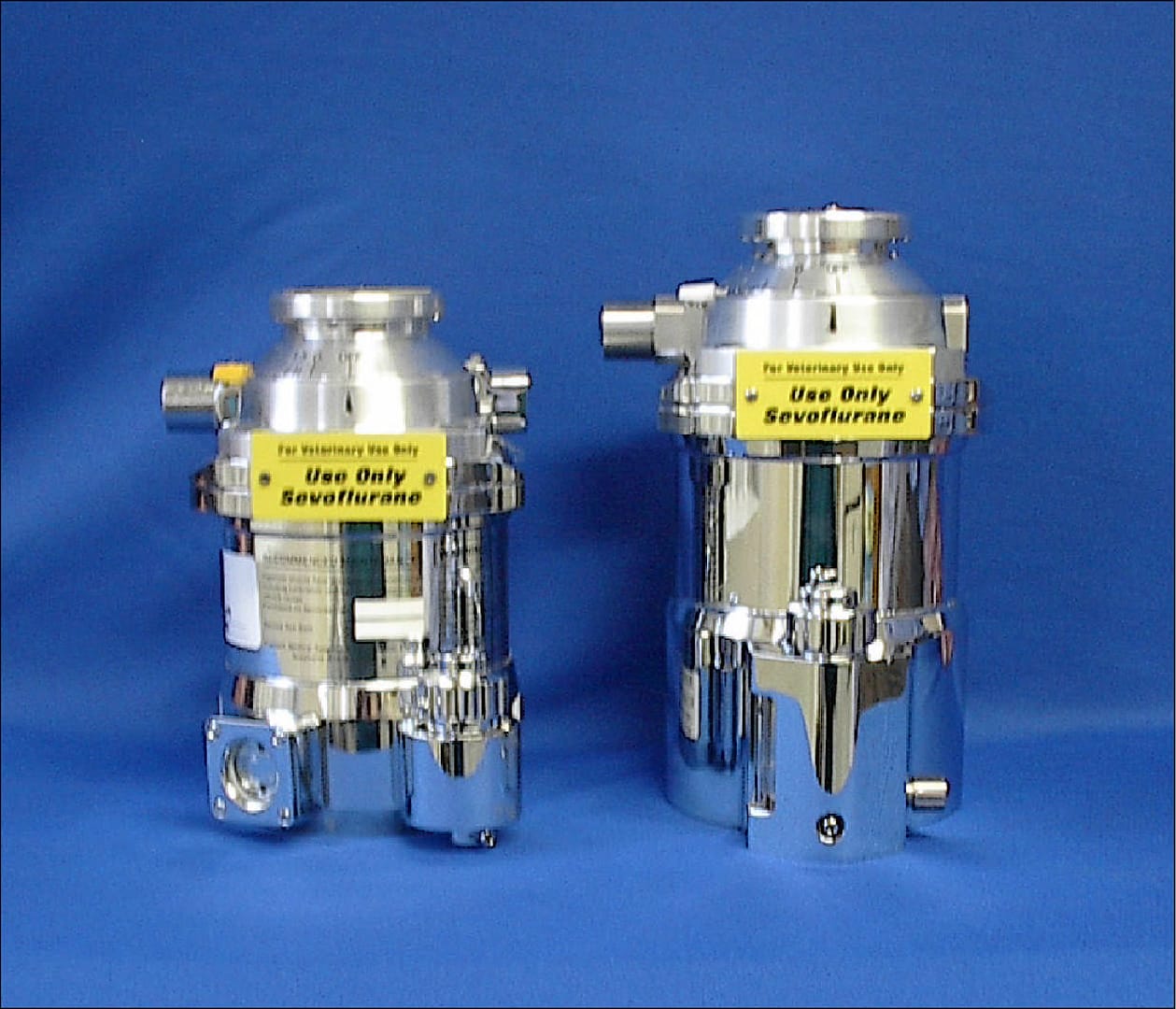
Some of the problems associated with the aforementioned Penlon vaporizer relate to the use of aluminum for many critical components that come in contact with the liquid agent. The Tec 3 by UVS is manufactured using brass and copper for the critical components.
In summary, Petrem™ is safe for the patient, safe for the vaporizer and can be used without reservation.
No. The efficacy of the generic drug is no different. The same setting should be used.
Yes. The only difference between the older Tec 3 and the new style is the quantity of agent that it holds.
Yes. Abbott has transferred ownership of those vaporizers to the end user. No contracted obligations will be violated and the vaporizer will function properly with the generic product.
Veterinary Specialist Articles