How to Clean the Suction Components on Your Veterinary Dental Unit
Clean and maintain your veterinary dental unit’s suction components with our simple, step-by-step cleaning guide…

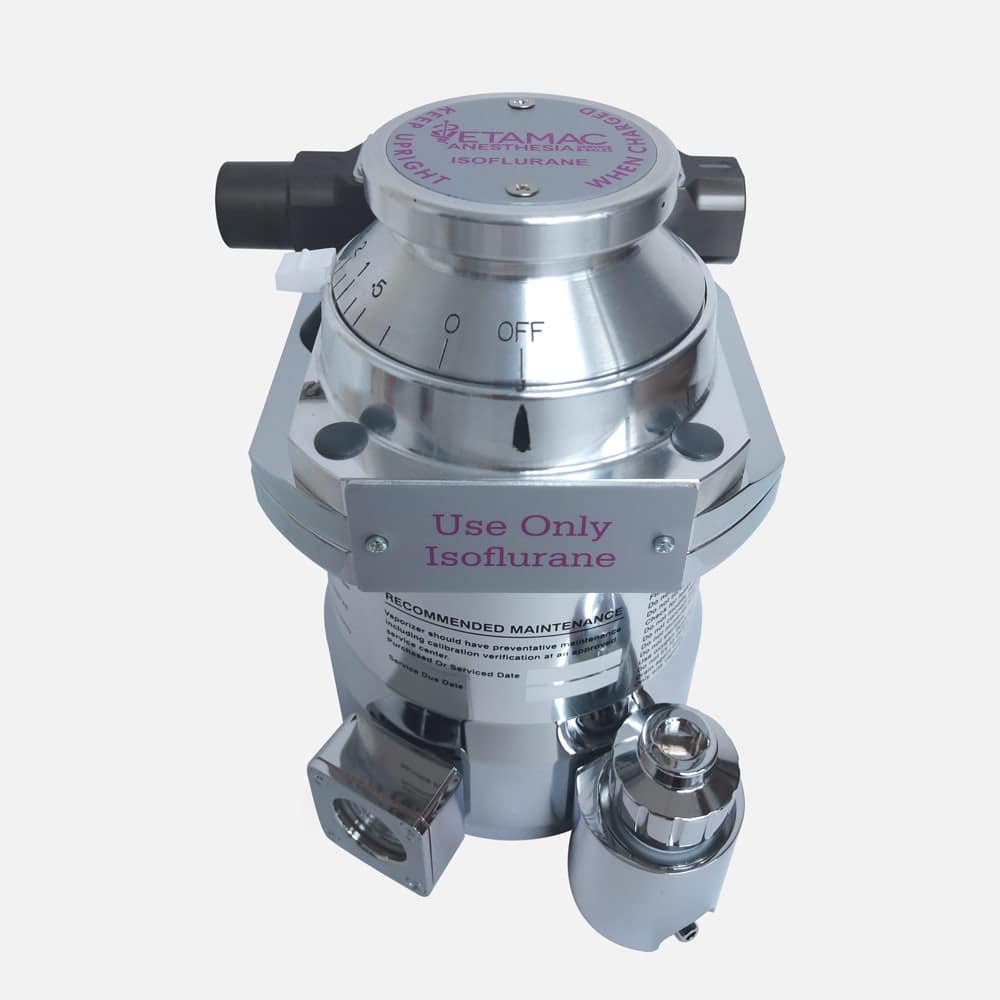
In the previous issue of Vapors, the definition of “calibrate” was discussed. The three points in this definition were: to check, to adjust, or to determine graduations by comparing to a standard. The graduations in question are those on the dial of the vaporizer. A vaporizer calibrated in the field constitutes a check (as discussed in the previous issue). Determining the graduations on a vaporizer is done at the time of manufacture and is not really pertinent to this discussion. This issue will deal with adjusting the graduations and will focus on the Tec 3 style vaporizer.
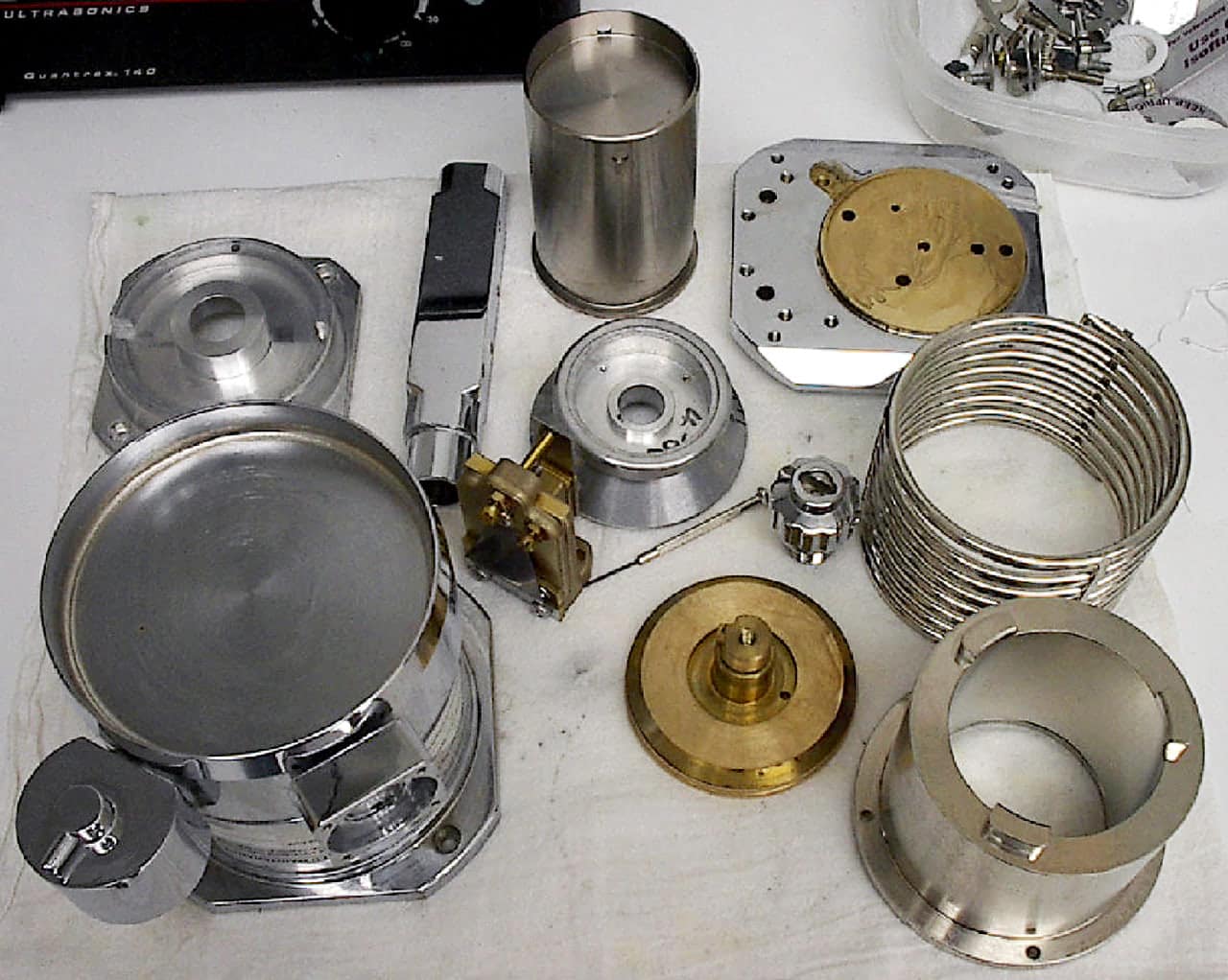
A vaporizer cannot be adjusted in the field because it must be disassembled (see figure 1) and this is very hazardous if the anesthetic vaporizer is not properly scavenged. As part of this process, all the parts are cleaned and the o-rings, seals, and wicks are replaced. The adjustment that is made to the vaporizer is accomplished by changing the resistance to the flow of oxygen through the vaporizer. Part of the flow bypasses the vaporization chamber and the remainder of the flow passes through the chamber and becomes saturated with anesthetic vapor. If the flowmeter is set on 1 liter per minute and the vaporizer is set on 1%, the calibration of the vaporizer is adjusted so that approximately 980ml of oxygen bypasses and approximately 20ml goes through the vaporization chamber. It is obvious that there is not much room for error if the calibration is to be in tolerance. The resistance to flow mentioned above is changed by adjusting the thermostat in the vaporizer (see A in figure 1). A THERMOSTAT? Yes, all vaporizers today are thermally compensated. As the liquid anesthetic vaporizes, it cools and the vapor pressure of the agent is lowered. As the temperature drops, the thermostat opening increases slightly and allows a larger proportion of the oxygen flow to be directed through the vaporization chamber. The opening through which the oxygen flows in the thermostat is very small and the total flow of oxygen is relatively low (1-2 lpm) therefore the adjustments are very precise and fine.
After the adjustment is made, the vaporizer is assembled and a calibration check is performed to verify the calibration adjustment. If the check is not within tolerance, then the vaporizer is disassembled and the process starts over. During this process, records are made of each calibration check whether it is one or occasionally two or three checks and then a final calibration certificate is issued to accompany the vaporizer to the client. Recall, that in the last issue, according to Vetamac’s records, only 3.3% of the vaporizers checked in 2010 needed to be serviced and the calibration adjusted. This includes vaporizers that failed a pressure test but did not fail the calibration check.
If the calibration is done in the field, it is a check of calibration. If it is done in a controlled laboratory situation, it is an adjustment of calibration. If it is done at the time of manufacture, it is a determination of calibration.