Veterinary Specialist Articles
The 7 steps of a case analysis in anesthesia
Anesthesia equipment issues can mimic patient problems. Learn how to identify and prevent these challenges…

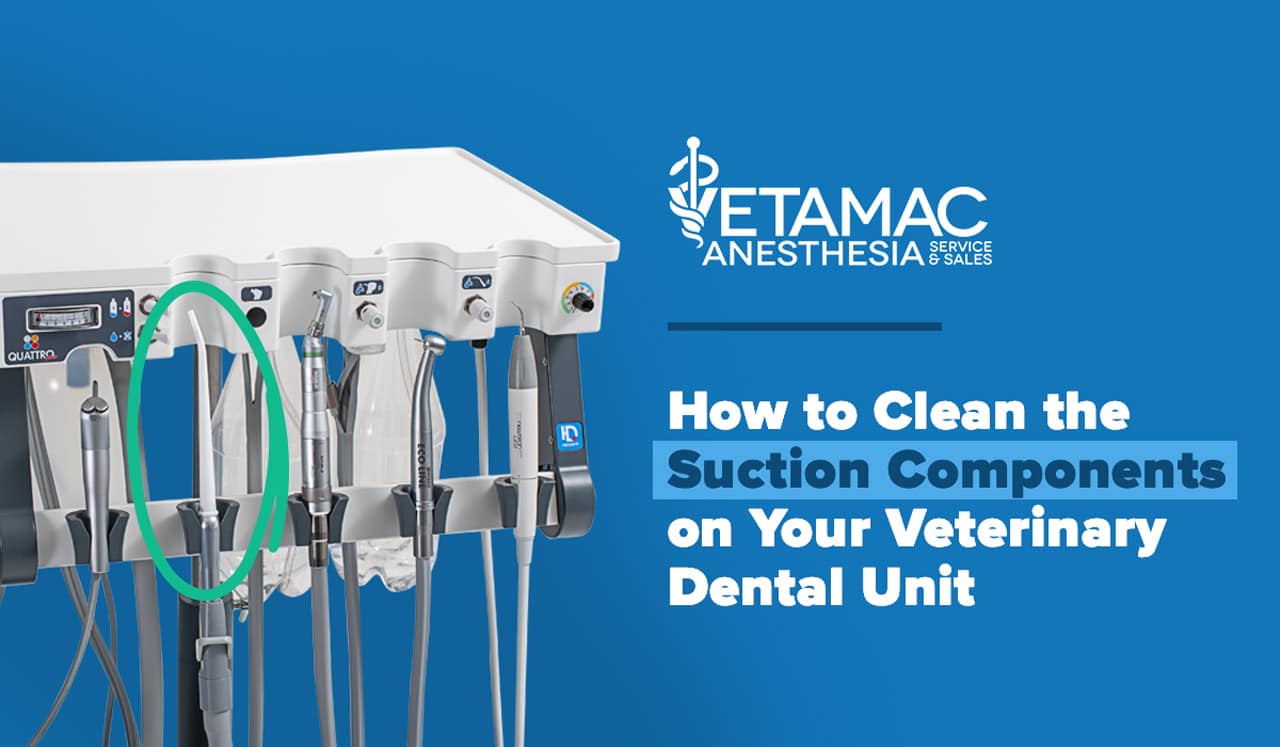
Proper cleaning of the suction system on your dental machine is essential for maintaining suction performance, preventing blockages, and extending the life of your equipment. A clean suction line also helps protect patients by ensuring optimal airflow and minimizing contamination risks during dental procedures.
Below is an easy, step-by-step guide based directly on recommendations from one of our dental specialists.
After each day of use, the tubing should be cleaned to remove debris and biofilm that can compromise suction.
Running hot water through the tubing loosens organic material and helps maintain smooth airflow. Hanging the tubing overnight ensures proper drainage and reduces moisture buildup.
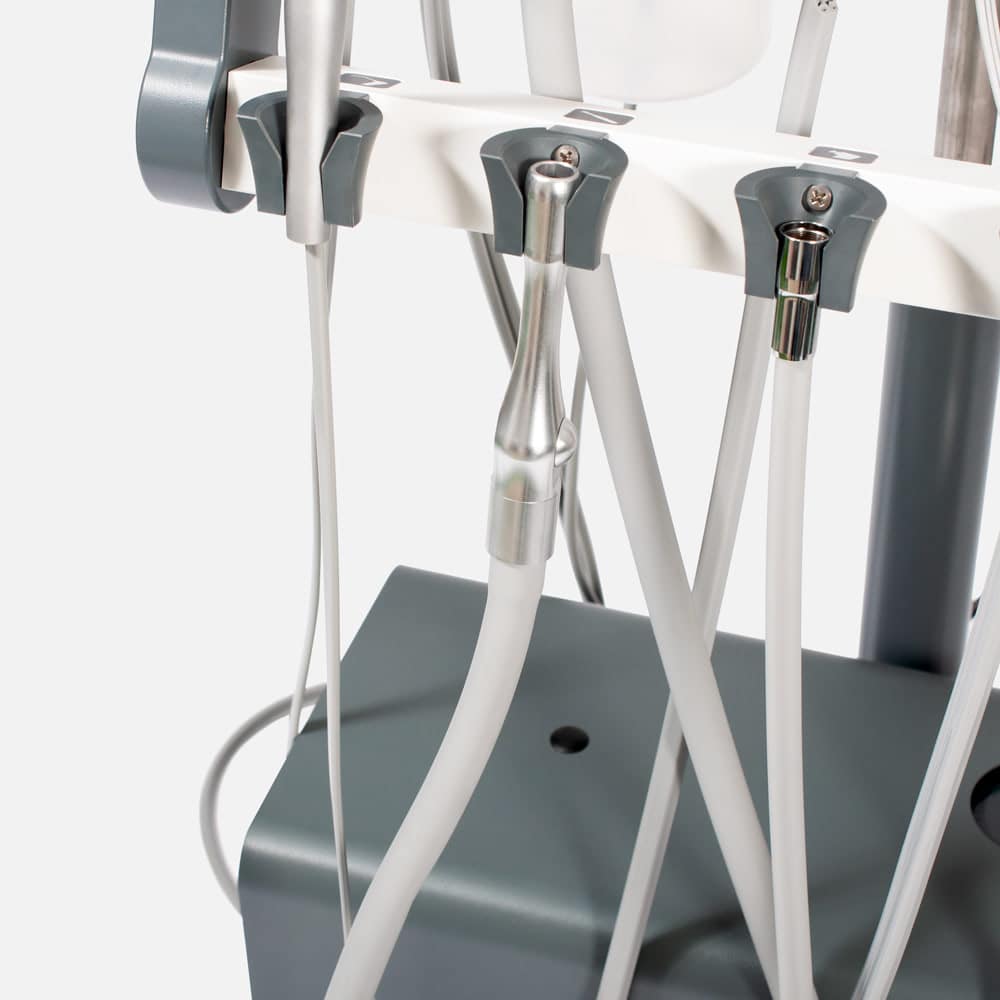
Handpieces, tips, and other suction accessories come in direct contact with contaminants, so they require appropriate disinfection.
As for the attachment pieces, we recommend soaking them in an enzymatic cleaner and then rinsing them at the end of the day to break down organic debris. Enzymatic cleaners are ideal for dental components that encounter saliva, calculus, and blood.
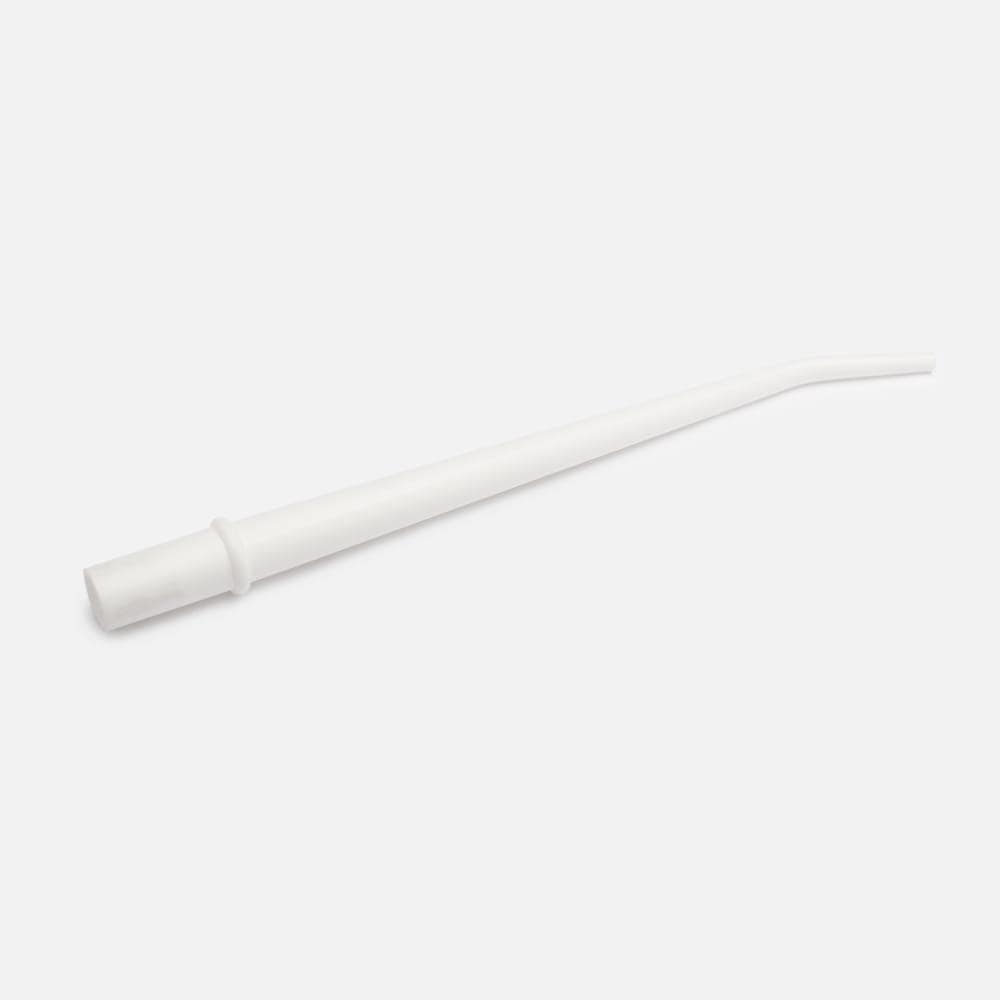
Some dental procedures generate more debris than others. When tubing becomes visibly dirty or suction efficiency decreases, an additional cleaning step may be needed. We would in this case recommend to have the suction suck up enzymatic cleaner through the line so that it can break up all the gunk inside before disconnecting it and rinsing it out.
For replacement suction parts and maintenance supplies, browse our full range of veterinary dental units and accessories.

Veterinary Specialist Articles

Veterinary Specialist Articles