Vol. XI: Understanding Anomalies in Anesthetic Machine Design – Part II
Learn about acquired anomalies in anesthetic machines, common issues, maintenance tips, and how to prevent…

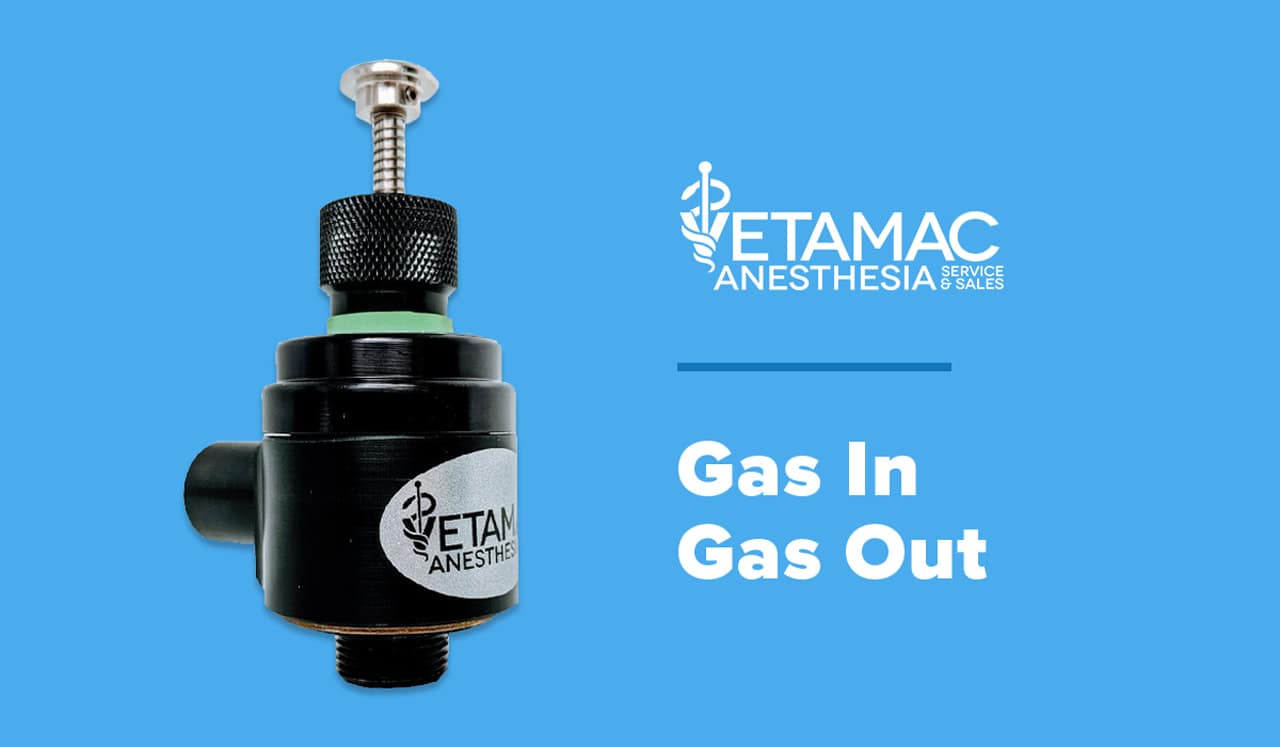
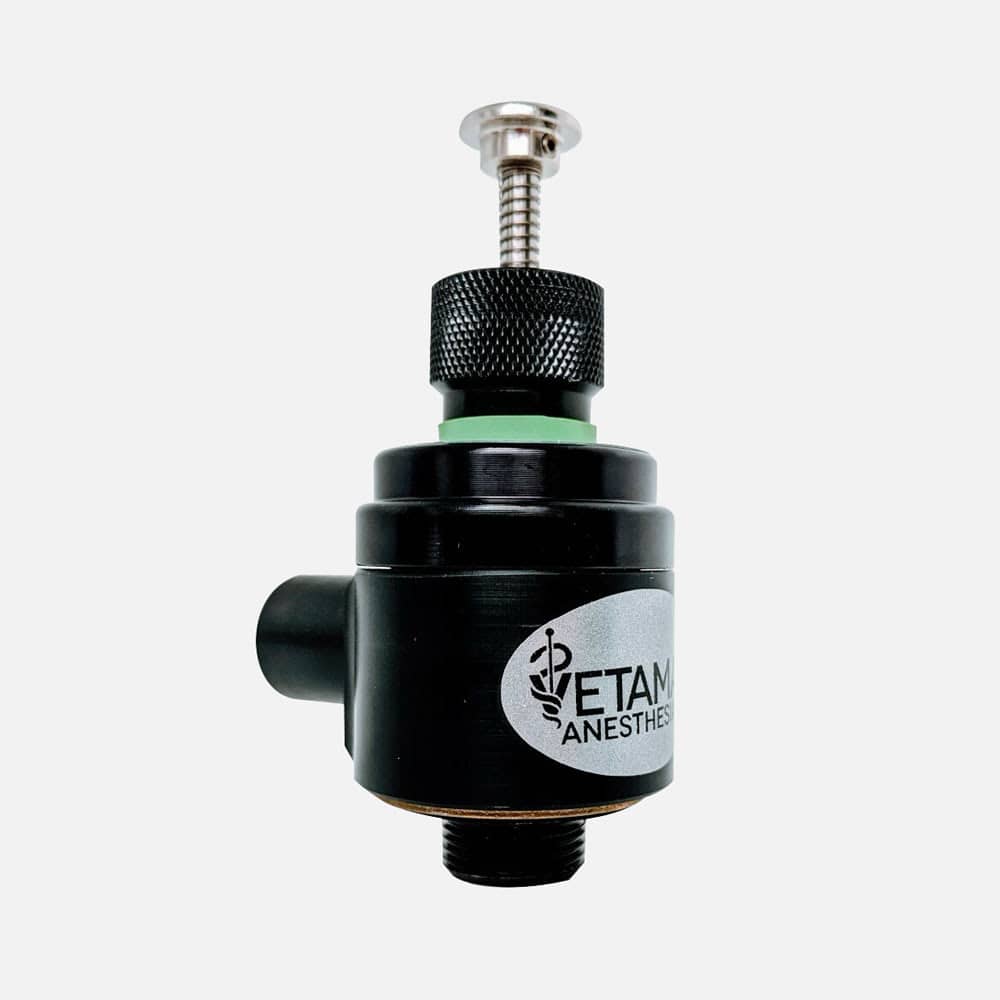
This issue of Vapors will focus on the functions, uses and problems associated with the anesthetic pop-off valve, also called the adjustable pressure limiting (APL) valve. Any anesthetic machine that has a concentration calibrated vaporizer placed outside of the rebreathing circuit must provide a way for excess gas to be removed from the circuit. This must be accomplished without creating excessive pressure in the system, yet not allowing gas to escape unimpeded. The pop-off valve is the component of the rebreathing system that accomplishes this. The pop-off valve must also be able to close the system to “sigh” the patient, or in the event a mechanical ventilator is used, to breathe for the patient.
As stated above, this device can be called a pop-off valve or an APL valve. These terms are often used interchangeably, but are not synonymous. A pop-off valve, by definition, is either open or closed without any intermediate setting. An APL valve can be open or closed but also can be set to create varying degrees of pressure. Both valves are in use today on veterinary anesthetic machines. For the remainder of this issue, pop-off valve will be used even though the reference may be to an APL valve.
The primary function of the pop-off valve is to remove excess gas from the breathing system because the flow of gas into the system is greater than the amount removed by the patient’s metabolic processes. In addition to this, the pop-off provides a way to capture and evacuate waste anesthetic gas. This is an important function as it relates to safety in the workplace. Finally, the pop-off provides a way to close the breathing system so positive pressure can be created by squeezing the breathing bag to inflate the lungs.
The proper use of the pop-off valve is not always understood or communicated clearly to staff that monitor anesthesia. Some are told to never touch the pop-off and others are told to close it every 5 minutes to give the patient a “sigh”. The pop-off should normally be open if the patient is breathing spontaneously. All pop-off valves have an “opening pressure”. This means a slight pressure is required to open the valve. Some pop-off valves require very little pressure and some may require 2-2.5cm H2O to open. If no pressure was required to open the valve, the bag would tend to collapse because slight positive pressure is created during expiration, especially in larger dogs. If the pop-off is an APL valve, then the opening pressure can be determined by the anesthetist. Opening pressures of 2cm H2O are sufficient to keep the bag full.
There are several pop-off valves that have a “momentary close” mode that allows the anesthetist to depress a button or stem that closes the pop-off while the bag is depressed to inflate the lungs and then opens when the device is released. This negates the need to close the pop-off by turning the valve closed and then inadvertantly leaving it closed.
There are occasions when the pop-off may need to be closed while performing anesthesia. If positive pressure ventilation is being utilized, the pop-off must be closed. The question then is what happens to excess gas? Remember GIGO. Mechanical ventilators have a pop-off valve that closes during inspiration and then is open during expiration. Therefore, the excess gas escapes through the pop-off on the ventilator. Furthermore, the pop-off needs to be partially or fully closed if ventilation is being manually assisted by squeezing the bag. If the pop-off is closed to accomplish this, it is necessary to periodically open the pop-off to let excess gas escape. If the patient is being ventilated at 20cm H2O, the pop-off valve, if it is an APL valve, can be set to an opening pressure of 20cm H2O. If the bag becomes too full, the excess gas can be removed by continuously squeezing the bag for a few seconds. This eliminates the need to constantly open and close the pop-off.
Problems can be encountered with pop-off valves. The valve can stick closed or open. If a valve sticks closed, it is usually due to aerosolized mucus from the patient’s airway. To correct this problem, verify that the pop-off is open, remove it and use a small screwdriver, or other instrument, to reach through the bottom and push the valve open. Once it is open, a Qtip with alcohol can be used to clean the valve. To help prevent this problem, always leave the pop-off open if the machine is not in use. If the pop-off sticks open, this is usually a mechanical problem and may require repair or replacement. If pop-off valves are closed and then opened frequently, this will result in normal wear and tear on the valve. If the machine is serviced regularly, the service representative will be able to detect this and either repair or replace the valve.
Remember GIGO! The pop-off provides the necessary escape for excess gas. Failure to do this can be final!