Veterinary Specialist Articles
TPLO Surgery for Dogs: Success Rates and Alternative Options
Explore TPLO surgery for CCL rupture in dogs: indications, surgical techniques, success rates, and alternatives…

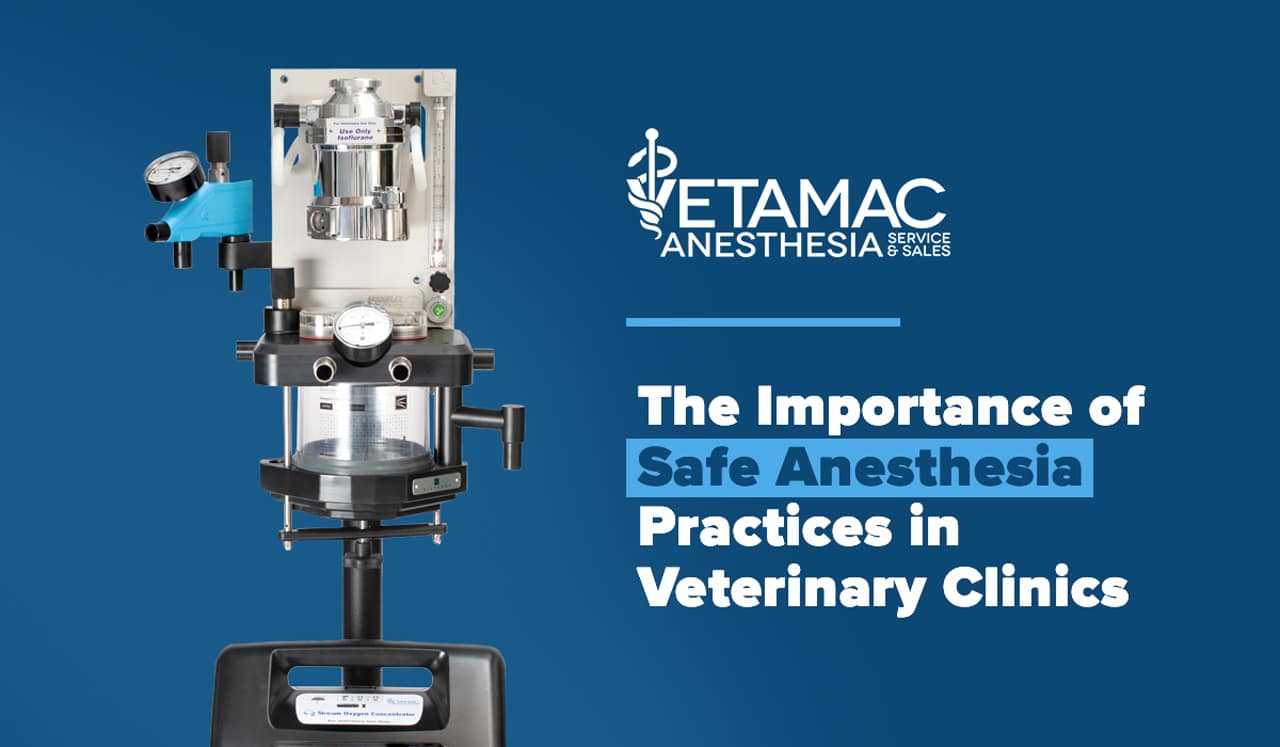
Ensuring anesthesia safety is a top priority in every veterinary hospital. Throughout the United-States, the reliability and performance of anesthesia machines have a direct impact on patient care, staff protection, and the smooth flow of surgical procedures.
As veterinary practices face growing caseloads, changing regulations, and ongoing staffing shifts, there is an increased focus on anesthesia equipment that is reliable, safe, and straightforward to maintain.
This guide highlights the key safety features and best-practice standards that characterize a compliant veterinary anesthesia, supporting veterinary teams in making informed equipment choices.
When anesthesia systems are both reliable and easy to use, the entire surgical process becomes more efficient and secure.
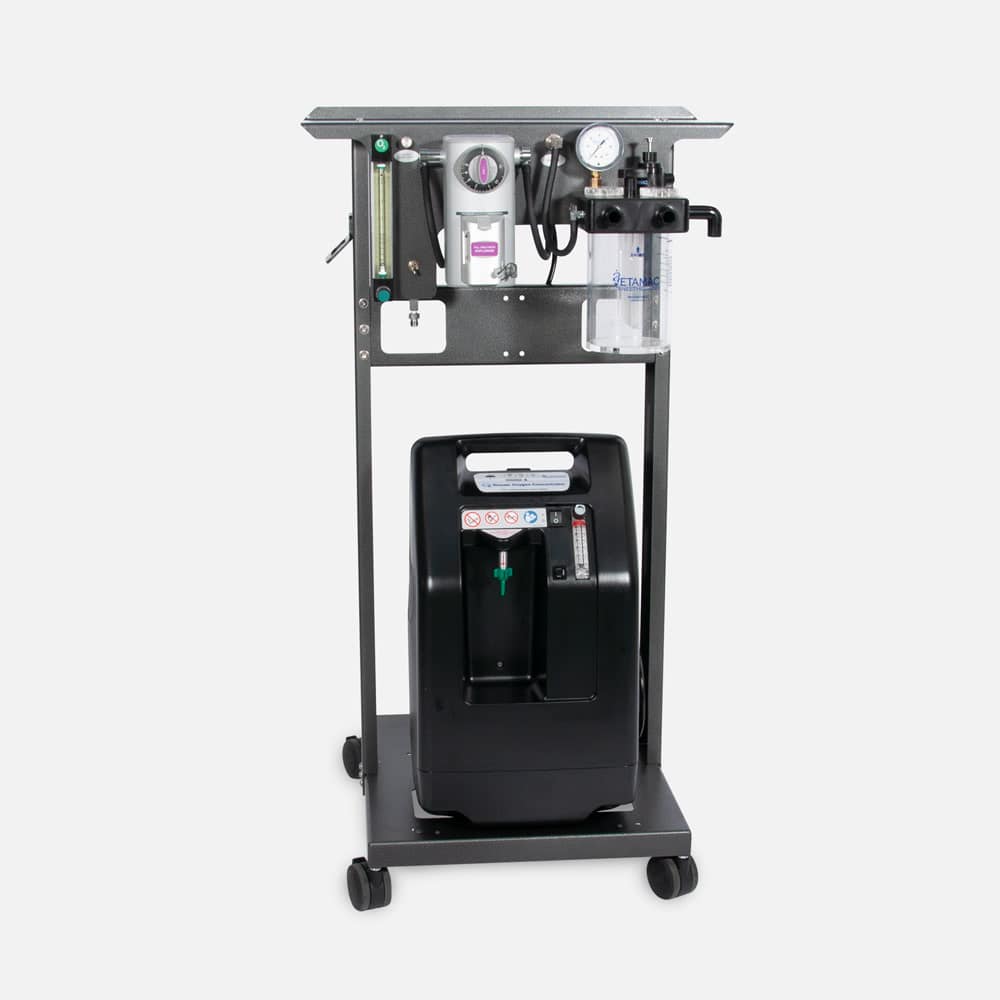
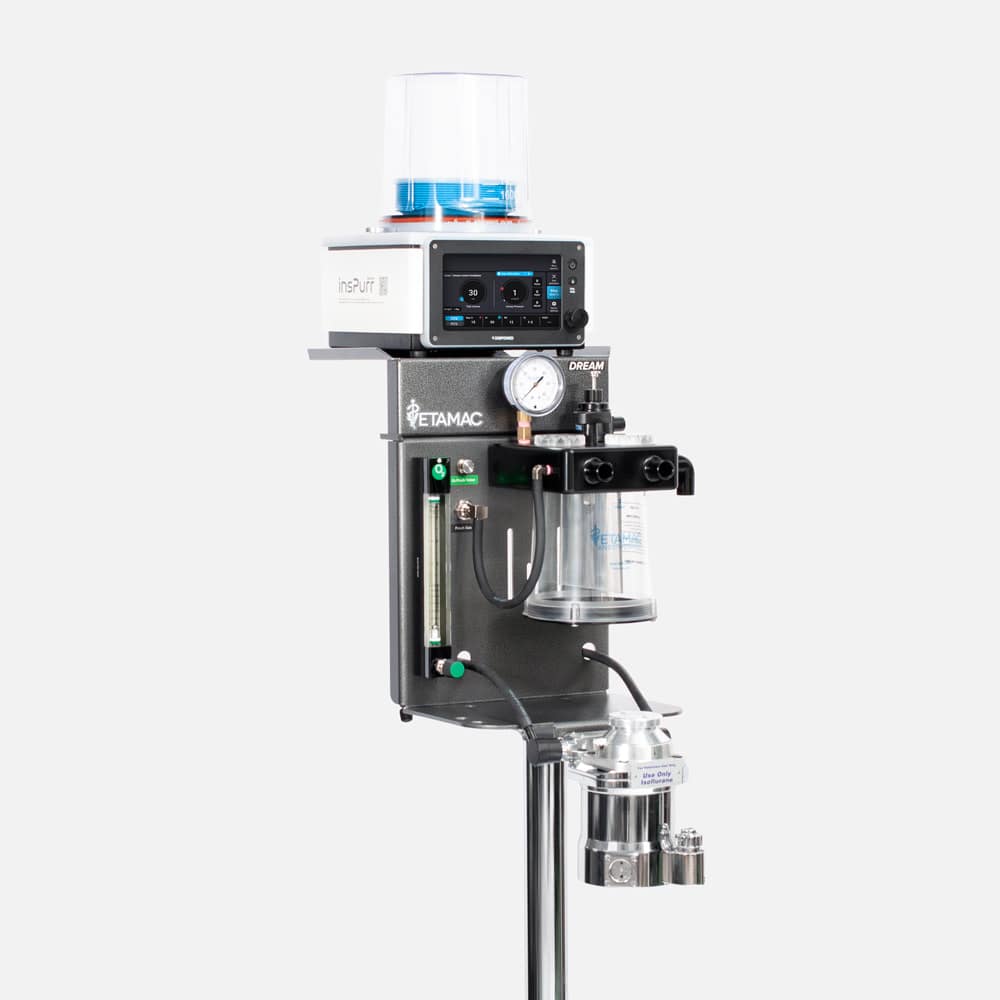
Most anesthesia-related equipment issues in veterinary clinics stem from a few preventable causes.

Verifying the oxygen system is essential for safe and effective anesthesia outcomes.

Undetected leaks are a leading contributor to anesthetic complications. They may cause:

Vaporizers that are incorrectly mounted, worn out, or inadequately maintained can result in unpredictable anesthetic depth.
Essential safety considerations include:

Anesthesia machines that make servicing difficult can lead to overlooked problems and longer equipment downtime. This may cause:
Veterinary anesthesia equipment should be designed to allow easy inspection, part replacement, and preventive maintenance by trained service personnel.
When an anesthesia machine is easy to operate, it supports both safe practices and smooth, productive workflows in busy veterinary settings.
Key Benefits
In clinics with high surgical volume, streamlined workflows help ensure consistent patient monitoring and safer anesthesia management.
When selecting anesthesia equipment for a veterinary practice, focus on these priorities:
Regular evaluation of anesthesia equipment and clinical workflow allows veterinary clinics to identify ways to improve:
Examining service records, daily inspection routines, and the overall condition of the anesthesia machine can highlight potential upgrades or adjustments that enhance safety and reliability during procedures.

Veterinary Specialist Articles