Did You Know Your Oxygen Costs? Discover How Much You Could Save!
Discover how much you could save on oxygen costs with our insightful guide. Uncover potential…

The previous issue of Vapors discussed the first of three areas of concern when monitoring the machine – that of oxygen supply concentration or purity when using an oxygen generator and monitoring oxygen supply pressure when using high pressure compressed oxygen. This issue of Vapors will discuss excessive pressure in the breathing system and an increase in the inspired CO2 due to machine problems.
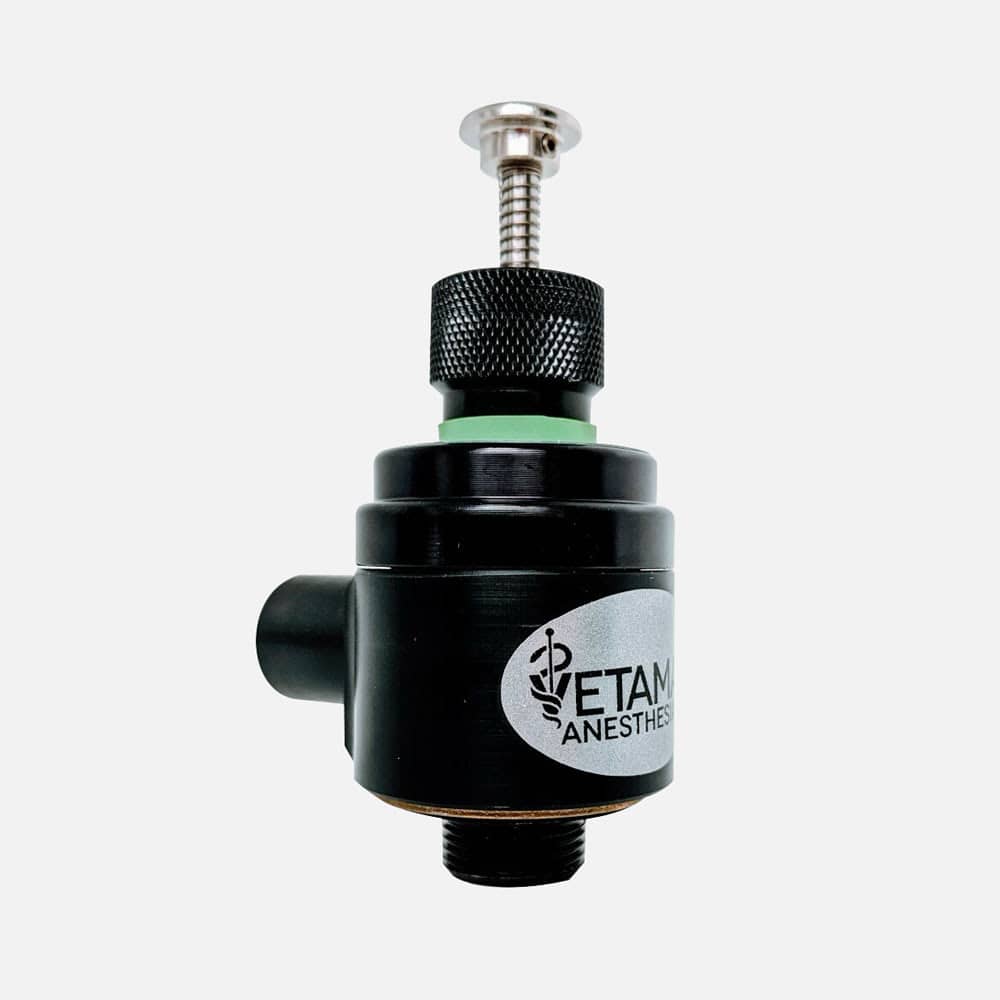
Excessive pressure (12-15cm H2O or above) in the breathing system can be fatal if it is not corrected quickly. One cause of this condition is a closed or faulty pop-off valve. Failing to open the popoff valve after assisting ventilation is an ever present risk. There are several equipment options today that allow for a momentary close of the pop-off valve. Some are devices that are attached to the pop-off valve and some are actually part of the pop-off valve (see Figures 1 & 2). Occasionally the pop-off valve will stick closed or malfunction in such a way that it will not release pressure. In either case, excessive pressure is created in the system that is dangerous to the patient.

Another cause of excessive pressure is indiscriminate use of the flush valve. When the flush valve is activated, it opens the system to whatever pressure is in the O2 supply line therefore the flush valve should only be used when the bag is empty. When the bag becomes filled, the valve should be released. Even with the pop-off valve open, excessive pressure can be created when the bag is full. It is extremely dangerous to activate the flush valve when the bag is full and the popoff is closed. Many newer anesthetic machines today restrict the flow of gas so that the “flush” is slower and safer.
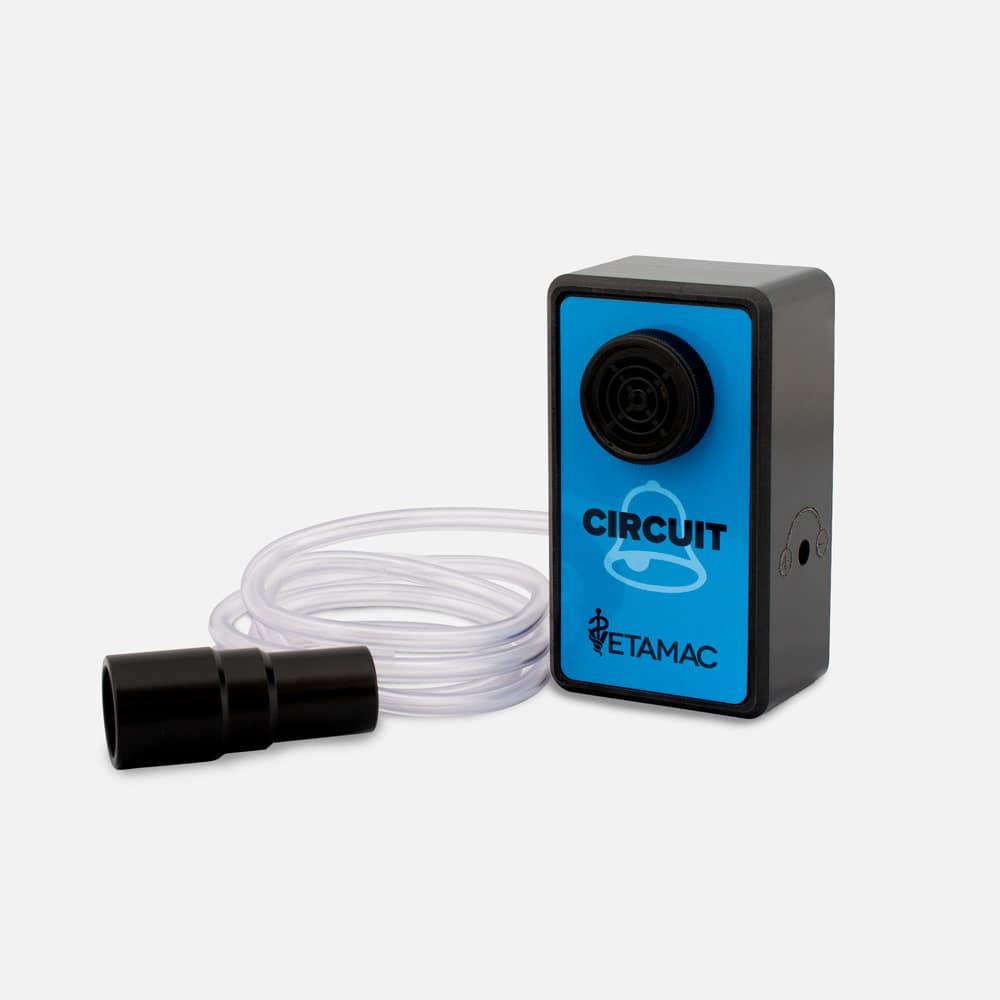
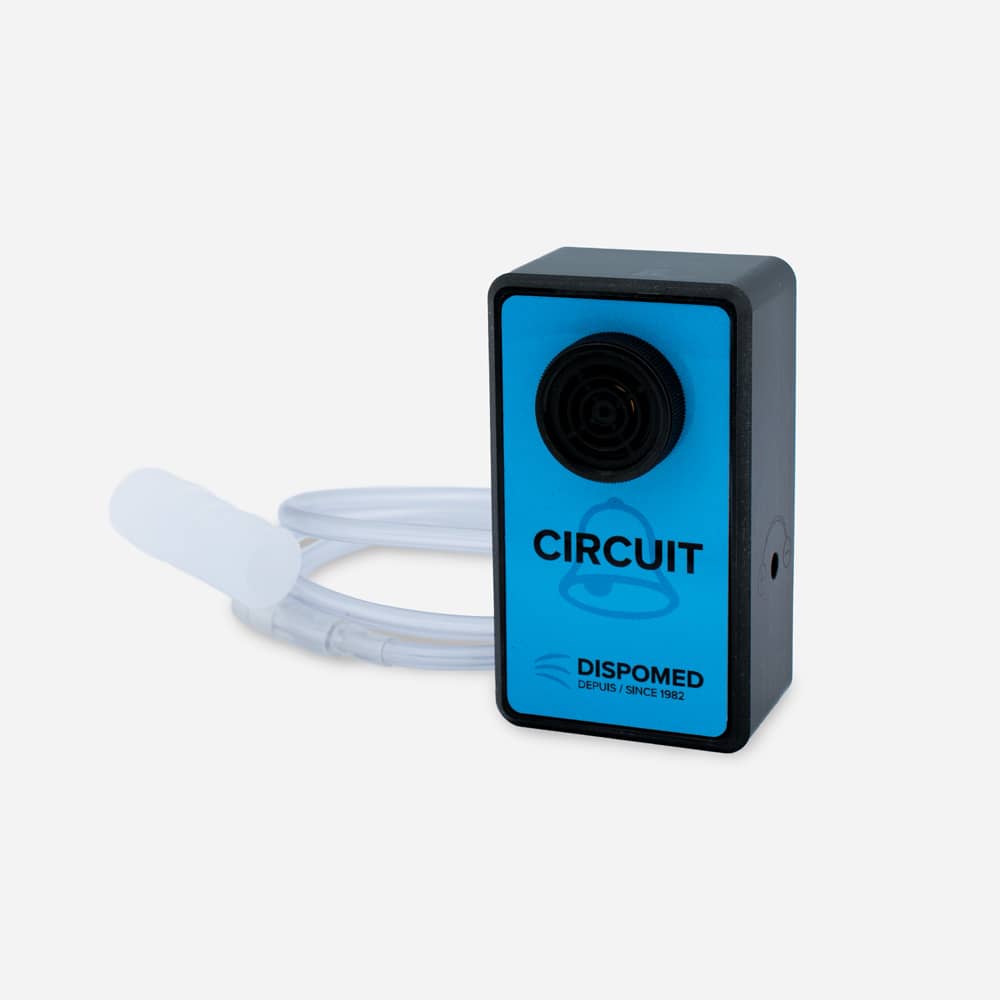
Excessive pressure can be monitored by watching the manometer on the breathing circuit but this means constant observation. There are battery operated electronic monitors that can be installed on the circuit that will sound an alarm if the pressure reaches 15-20cm H2O (see Figure 3). These units are relatively easy to connect to the circuit but are a bit larger than desired.
The final area of concern is an increase in the inspired CO2. Expired or end tidal CO2 in the patient is monitored because anesthesia depresses ventilation causing a rise in CO2. However, an anesthetic machine that is not functioning properly can cause rebreathing of CO2 and result in higher end tidal CO2. The two most obvious causes leading to rebreathed CO2 are expired CO2 absorbent and excess mechanical dead space. The first is easy to prevent by recording change dates and monitoring color change of the absorbent. The second is created by adding fittings and/or adapters required by monitoring devices. The amount of mechanical dead space, or volume, is that amount of volume that extends from the mouth of the patient to the connection to the breathing tubes. This volume should be minimized as much as possible.
The third cause of increased inspired CO2 is faulty one way valve (OWV) discs. The first consideration is the style of one way disc. Some older machines have rubber discs that are vertically oriented as opposed to most machines that have plastic or metal discs that are horizontally oriented. The vertical discs are prone to leak since gravity tends to cause them to “warp” and not seat properly. Horizontal discs are less prone to leak but can become dirty or occasionally distort. If the OWV discs leak, this means that gas can move back and forth in the breathing tubes in proportion to the size of the leak and some of the expired gas will be rebreathed. This condition can only be assessed by capnometry. Vetamac is involved in trying to determine the magnitude of a leak in OWVs that is required to adversely affect the inspired CO2.
Monitor the patient? Yes, the patient needs to be assessed and monitored during anesthesia. However, the anesthetic machine needs to be monitored by attention to daily routine maintenance* as well as annual service and preventative maintenance.


Veterinary Specialist Articles