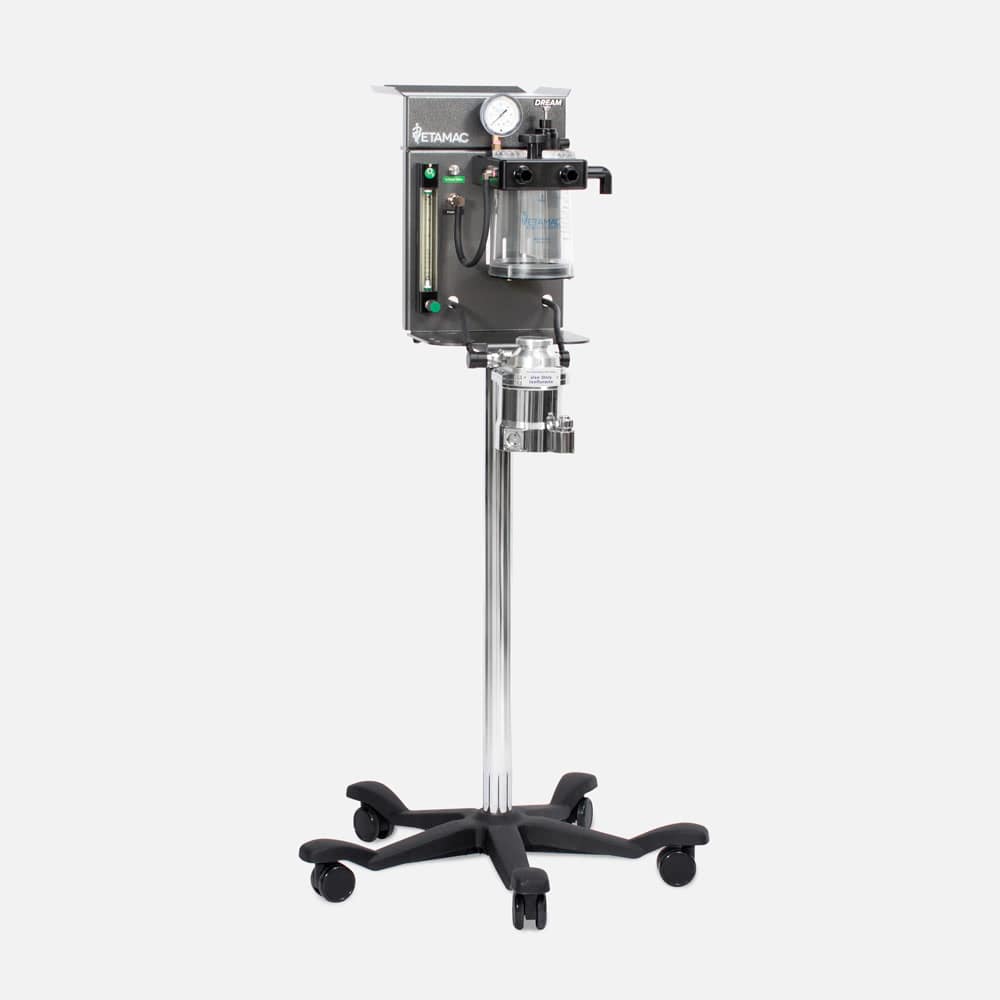

Introducing the BOSS+ for Enhanced Airway Corrective Surgery Techniques
Introducing the BOSS+: Revolutionize your airway surgeries and surgical procedures with ease, precision, and efficiency.…

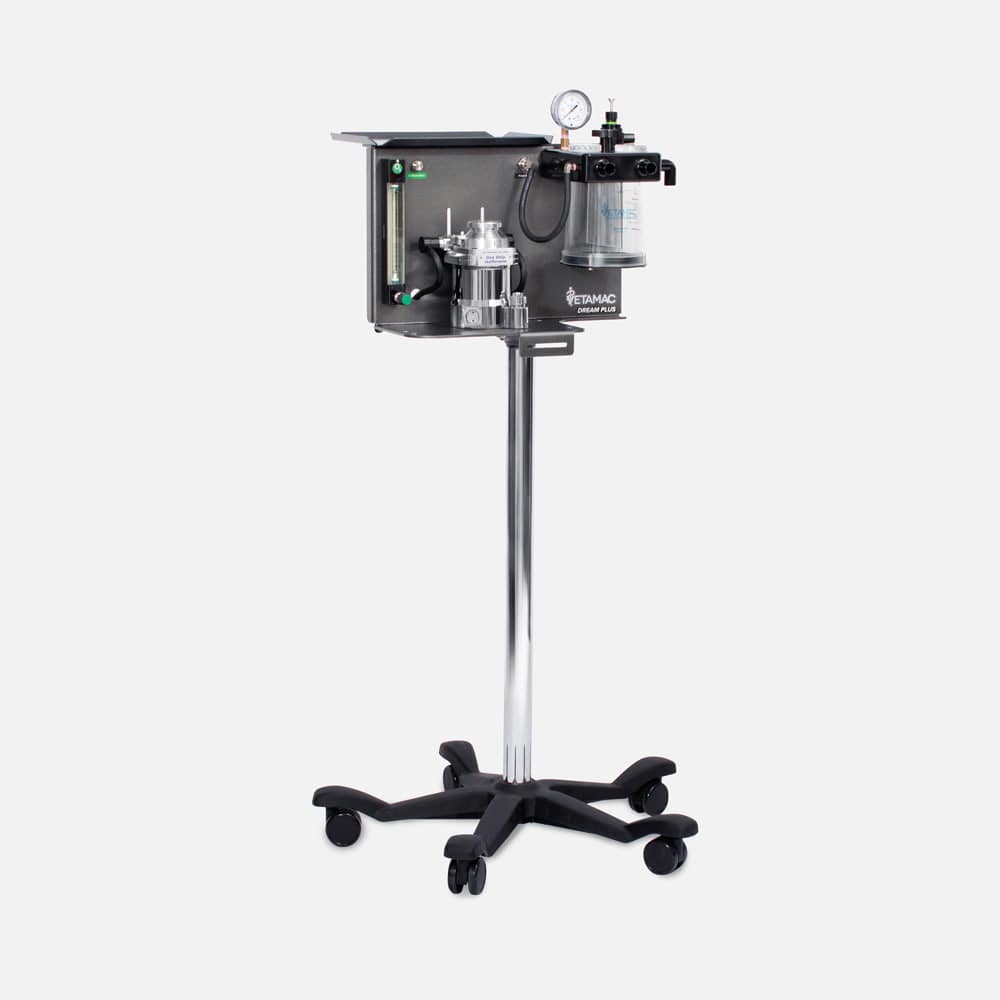
Maintaining anesthesia equipment is critical to patient safety and clinic efficiency. At Vetamac, we specialize in veterinary anesthesia machine services tailored to meet the needs of veterinary professionals across the United States. Whether you run a small practice or a large animal hospital, our expert team is committed to keeping your equipment operating safely and efficiently.
Veterinary anesthesia machines are complex systems that must be regularly maintained to ensure accurate gas delivery and optimal patient safety. Poorly maintained machines can result in:
Vetamac offers a full suite of services to help you stay compliant, efficient, and safe.
Our comprehensive anesthesia machine service includes:
First it means that the machine does not have leaks. This does not mean that there are absolutely no leaks but that any leak is within a very small tolerance. The machine is inspected and tested for two kinds of leaks: High Pressure and Low Pressure.
High Pressure Leak Test
The test for a high pressure leak determines if there is any oxygen leaking from the connections and plumbing fittings on the machine. If all the high pressure fittings are external, any leak can be corrected. On some older machines that were originally from human medicine, the high pressure plumbing is extensive and difficult to access. In these machines there is a tolerable leak, which when left, would empty an E-tank of oxygen in 45 days. Any leaks larger than this will be noted and reported on the service sheet.
Low Pressure Leak Test
The test for a low pressure leak determines if there are leaks in the fresh gas circuit and the breathing system. The fresh gas circuit includes the flowmeter, flush valve, and vaporizer and these are tested at a pressure of 100cm H2O to verify the absence of any leaks. Each component is tested separately so that if there are any leaks they can be isolated and corrected. The breathing system, which includes the soda sorb canister, one way valves, pop-off valve and all associated connections, is tested at a pressure of 30cm H20. Although we strive for no leaks, FDA guidelines allow for a 200cc/minute leak at 30cm H2O. The system is then tested with the breathing tubes and bag on the system. This verification process assures a safe anesthetic device that operates economically.
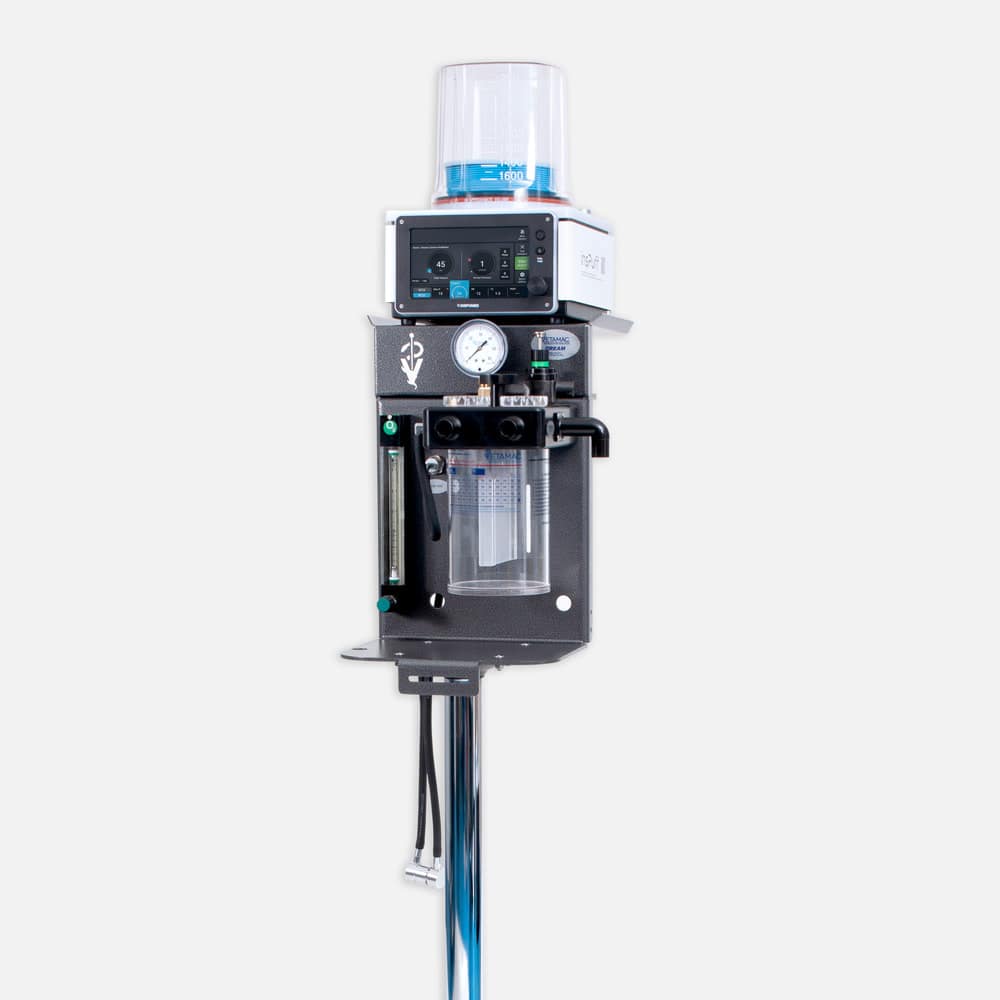

If the equipment, as left, conforms to the service protocols and standards of Vetamac, that also means the components of the machine function properly.
Flowmeter Needle Valve
The function of the flowmeter needle valve is verified to assure that it is opening and closing properly. The flow indicator and flow tube are also inspected and cleaned if necessary.
Flush Valve
The flush valve is also tested for proper closure. In the event that it does not close completely, the leakage of oxygen into the breathing system dilutes the concentration of anesthetic.
One-Way Valve Discs
The one-way valve discs are inspected for proper operation, assuring that both the inspiratory and expiratory valves open and close properly and that they are not warped or otherwise distorted.
Pop-Off Valve
The pop-off valve is inspected for proper function. This is the most “temperamental” component on the machine due to different manufacturers and designs. The most important function of the valve is that it will open properly and remain open while providing a small amount of resistance to flow so that the bag does not collapse. The valve should also close the system in the event that ventilation needs to be assisted or controlled. Some pop-off valves are designed to be either open or closed. Others are designed to be adjustable or to “pop-off” at various pressures. This is only important if the patient needs to be manually ventilated throughout a procedure.
The third part of Vetamac’s service is the vaporizer calibration verification. The vaporizer pressure test was mentioned above, and if it does not pass that test, it is failed. It must also pass the calibration, which is accomplished by using an analyzer that measures the concentration of anesthetic agent. If the calibration falls outside the standard, the vaporizer is failed. In either case of failure, a complete vaporizer service is recommended to the client.
The final test is of the evacuation system. If the system is a passive system, all tubing is tested for leaks and also for appropriate measures to prevent the flow of gas back into the environment. If the system is active, it is tested for appropriate movement of air, and the atmospheric interface is also tested. All tubing is pressure tested to verify the absence of leaks.
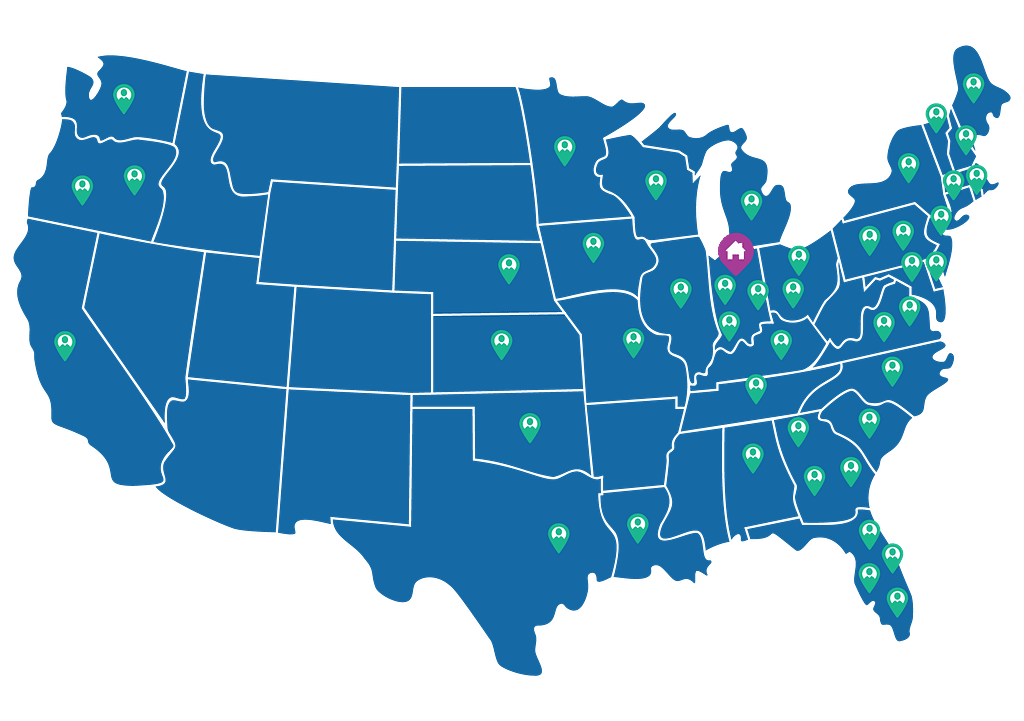
With technicians covering 30 U.S. states, Vetamac provides fast in-clinic service to minimize downtime.
Our Technicians Are Your Partners
We don’t just fix equipment—we help your clinic run more smoothly. Our technicians are:
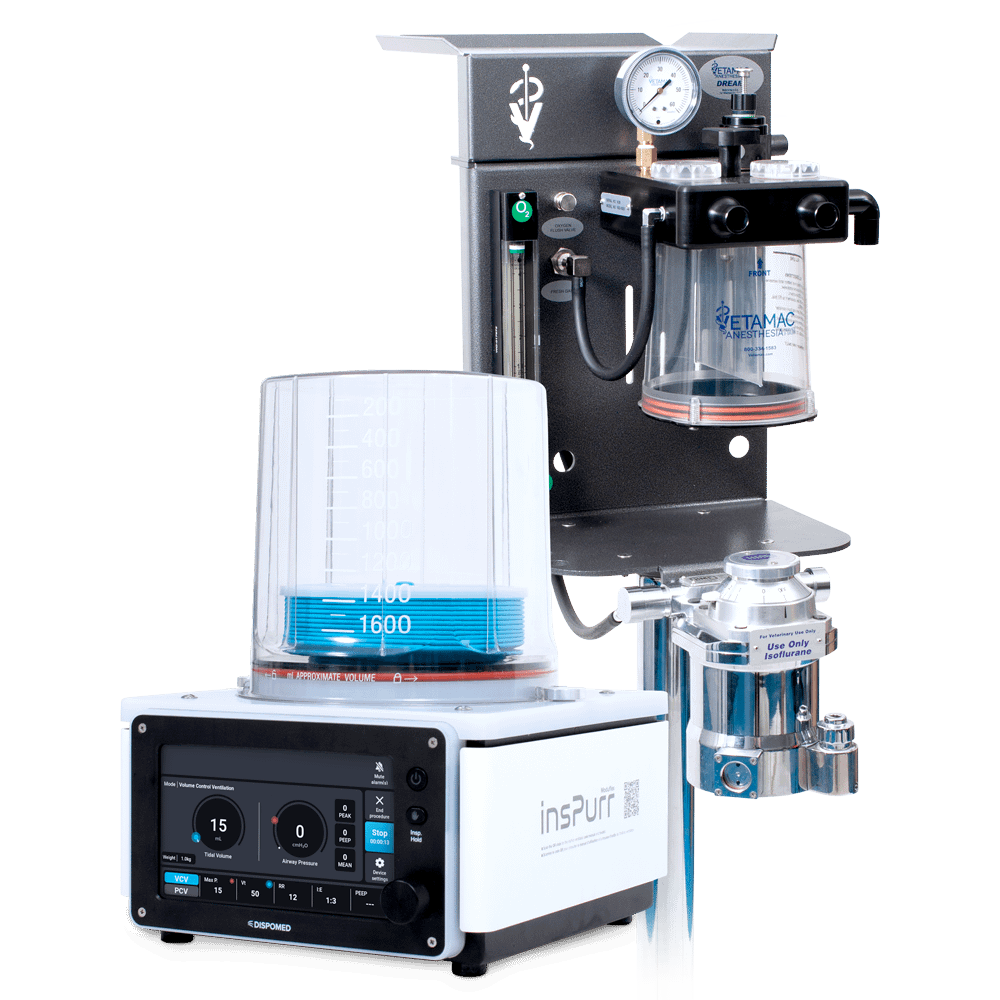
To maintain patient safety and equipment longevity, we recommend:
Veterinary professionals choose Vetamac for:
“Vetamac’s team feels like an extension of our own clinic. They are knowledgeable, friendly, and incredibly reliable.”
– Practice Manager, Ohio
Stay Compliant, Stay Safe. Our services help help ensure your machines are safe, calibrated, and ready for every procedure.
Whether it’s time for preventive maintenance or you’re experiencing equipment issues, Vetamac is here to help.
Vetamac technicians have been trained using Vetamac’s Van-Gard 7 © service protocols. They have also passed a certification exam that authorizes them as service technicians.
Since there are no standards established for Veterinary Medicine, we draw on the FDA standards for human medicine as well as manufacturer’s recommendations and consultation with board certified anesthesiologists.