Introducing the BOSS+ for Enhanced Airway Corrective Surgery Techniques
Introducing the BOSS+: Revolutionize your airway surgeries and surgical procedures with ease, precision, and efficiency.…
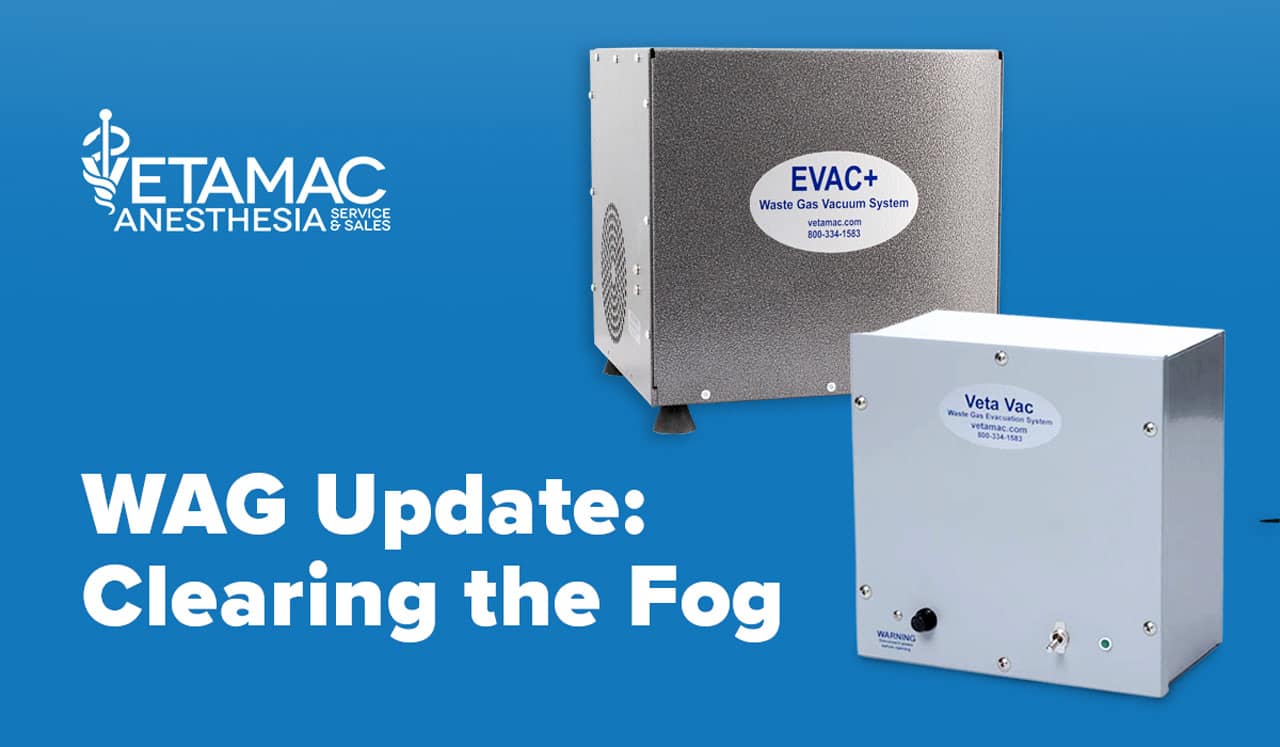
The disposal of the Waste Anesthetic Gas (WAG) associated with inhalation anesthesia is a concern because of potential health problems associated with exposure to WAG. The discussion that follows is an attempt to clarify some of the misconceptions about WAG exposure.
The question ultimately is what is an exposure limit that will not result in disease or injury. To answer this question, it is necessary to know what organizations and governmental agencies are involved with this issue.
The Occupational Safety and Health Administration (OSHA) is the feared “big brother”. It sets and enforces standards by providing training, outreach, education and assistance. OSHA is part of the Department of Labor and has no standards for lsoflurane or Sevoflurane.
The second governmental agency is the National Institute of Occupational Safety and Health (NIOSH). This agency publishes Recommended Exposure Limits (REL) and is a part of the Department of Health and Human Services and falls directly under the Center for Disease Control (CDC). The REL’s are determined through research by the institute and then are published for OSHA to use when promulgating new regulatory standards. These are only recommendations and are not the standard. The last published recommendations on halogenated anesthetic agents was in 1977 -this is before either isoflurane or sevoflurane were introduced. It is noteworthy how NIOSH arrived at the 2 ppm limit at that time. The report recommends that exposure be controlled to levels no greater than the lowest level detectable using the methods recommended. This does not say anything about a safe or unsafe level of exposure. It essentially says that any exposure is unacceptable. When iso and sevo were introduced the 1977 guidelines were simply applied to these agents.
Another organization involved in workplace safety is the American Conference of Governmental Industrial Hygienists (ACGIH). This group publishes guidelines for workplace exposure to hazardous substances. The Threshold Limit Value (TLV) is a reserved term for this group and it has only guideline status. It is not to be confused with exposure limits having regulatory status. These TL V’s are health based values established by committees that review existing published and peer reviewed literature in various scientific disciplines.
| Isoflurane (PPM) | Sevoflurane (PPM) | |
|---|---|---|
| UK | TWA: 50 | |
| Ireland | TWA: 50 | |
| Switzerland | STEL: 80 TWA: 10 |
|
| Netherlands | TWA: 20 | |
| Sweden | STEL: 80 TWA: 10 |
STEL: 20 TWA: 10 |
| Finland | STEL: 20 TWA: 10 |
STEL: 20 TWA: 10 |
| Norway | TWA: 2 | TWA: 20 |
STEL: Short Term Exposure limit, 15 minutes
TWA: Time Weighted Average, 8 hours
Since halogenated anesthetics are used worldwide, other countries have worked to set limits that are acceptable (see table). These limits (except for Norway) are similar to the TLV’s established by the ACGIH. NIOSH has not published new guidelines for isoflurane and sevoflurane. However, institutional policies are already changing because of the possibility of revised standards that might come from NIOSH. In 2012 the National Institutes of Health (NIH) adopted the ACGIH TLV’s of 75ppm for enflurane and S0ppm for halothane for their WAG surveillance program. Although these agents are not in use in veterinary medicine it does show that the biomedical research industry is moving away from the original NIOSH standard. Maybe changes are on the horizon for isoflurane and sevoflurane.
What is the take home message? Maybe 2 ppm is too strict a standard and even at 4-5 ppm there is not an unreasonable risk. The message is that we should not become negligent or careless in managing WAG but rather attempt to achieve the lowest possible levels of exposure. This is accomplished through training, appropriate and quality evacuation equipment, and above all, good techniques. Our goal is not only patient safety and care but also for workers that are at risk for exposure to WAG. Remember, there is no safe inhalation agent, there is no safe anesthetic procedure, there are only safe anesthetists using appropriate and safe equipment.
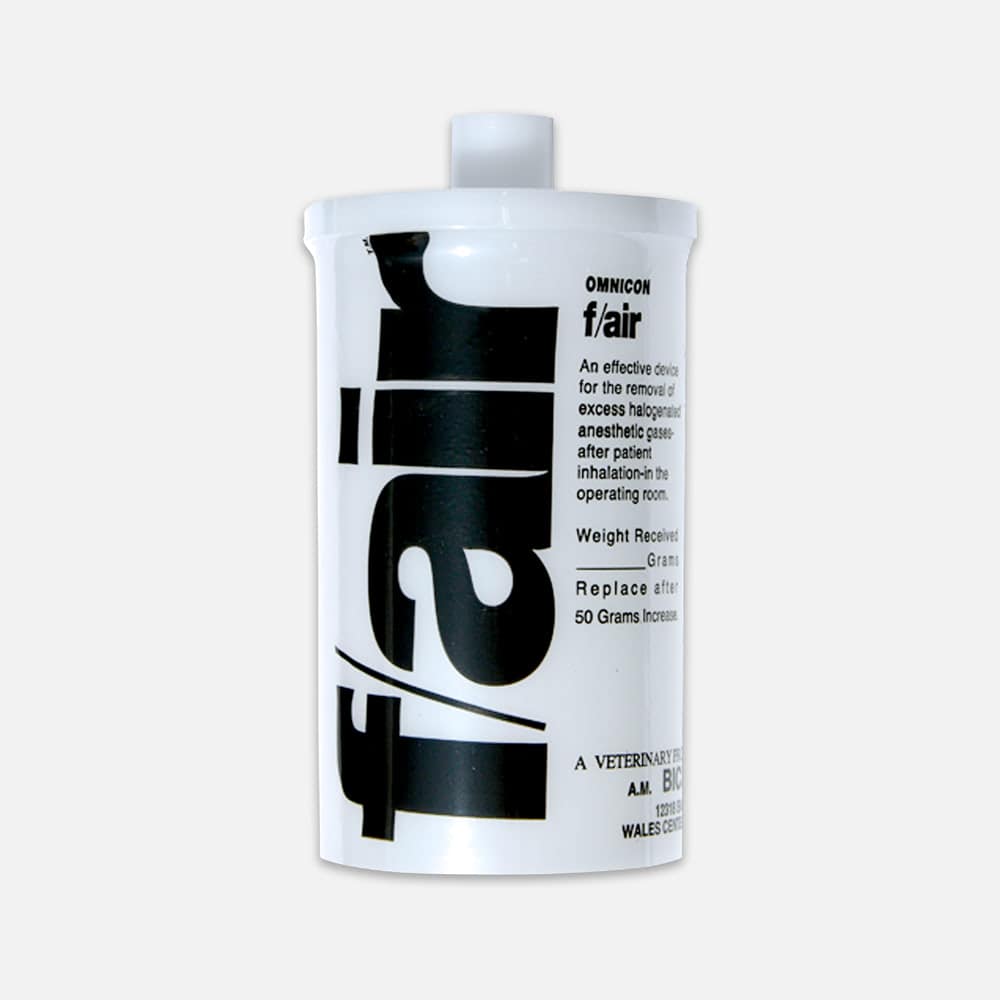
Reducing WAG