Vol. XIV: Anesthesia Machine Maintenance After a Procedure
Learn essential tips for anesthesia machine maintenance after procedures to enhance safety, equipment longevity, and…

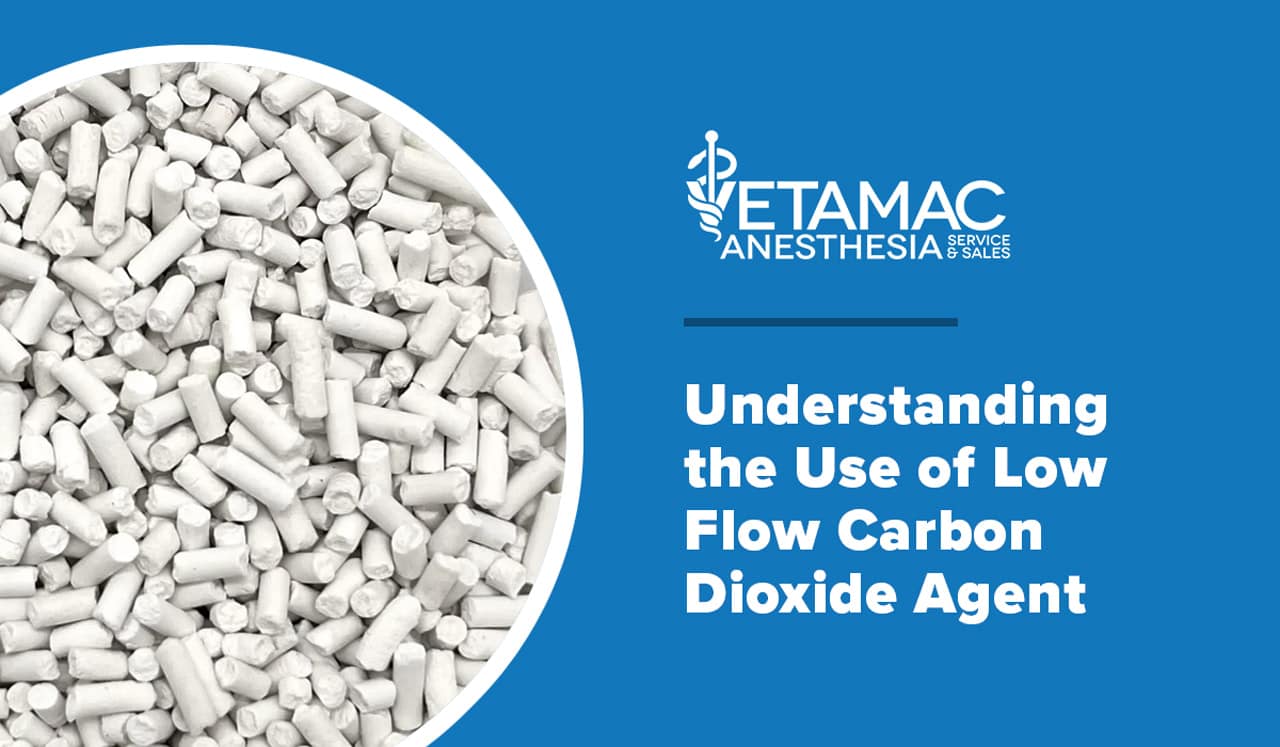
The use of LF carbon dioxide (CO2) absorbents was introduced due to the risk associated with the low flow anesthesia technique. Human hospitals have adopted low flow anesthesia to reduce cost but this method increased the risks associated with desiccation of soda lime based C02 absorbents. To understand the risks a quick review of the general function of carbon dioxide absorbent is needed.
Vapors Vol. IV, Issue 1, written by Harry Latshaw, describes the process of carbon dioxide absorption utilizing the principle of a base (absorbent) neutralizing an acid (C02). The end products of this process are water, carbonate and heat production.
Inhalant anesthetics exposure to carbon dioxide absorbents can cause some degradation. Sevoflurane can decompose to a potentially nephrotoxic compound, Compound A. High concentration of Sevoflurane, low fresh gas flow rates, dry absorbent, high temperature and the use of barium lime are all contributing factors to the production of compound A. The clinical significance of the production of Compound A in cats and dogs appears to have little concern1.
Another concern while using lsoflurane through dry absorbents containing a strong alka Ii (potassium or sodium hydroxide) is the production of carbon monoxide. In human anesthesia, it is recommended to use only nondesiccated absorbents containing no potassium hydroxide and little or no sodium hydroxide. Although carbon monoxide poisoning associated with anesthetic use in veterinary medicine seems to be a very rare occurence (or it is simply not recognized), similar recommendations are probably applicable2.
Due to the potential for the production of Compound A and carbon monoxide with traditional soda lime the low flow formulas were generated for human anesthesia. In veterinary medicine, three premium CO, absorbents were compared to two traditional soda limes in the categories of:
The studies were performed by Thomas E. Dahms, Dept. of Anesthesiology and Critical Care Medicine at Saint Louis University in St. Louis, Missouri.
The findings found that all three of the premium CO2 absorbents (Amsorb Plus, Litholyme and Sodasorb LF) do not produce carbon monoxide or Compound A. The CO2 absorption capacity is comparable to the traditional absorbents (Sodasorb and Medisorb). The color change is permanent in all three premium absorbents.
No matter what brand of CO2 absorbent is utilized, the rate of exhaustion is determined by:
Absorbent exhaustion will occur faster in large patients and when low flow gas rates are used.
Using only one criteria to determine when to change the absorbent (see below) is not recommended. Hours of use, capnography, color change and the production of moisture and heat are all good indicators. Vetamac recommends changing the entire canister at a minimum of once a month.
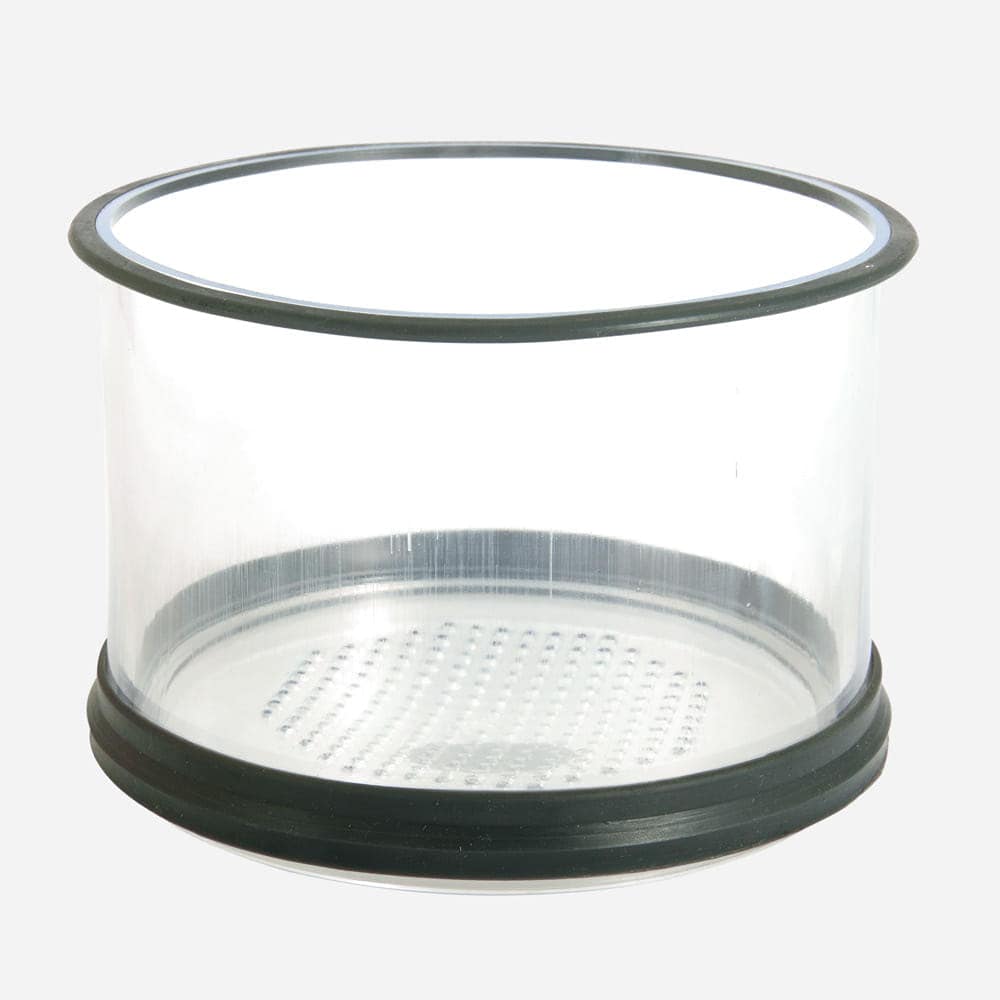
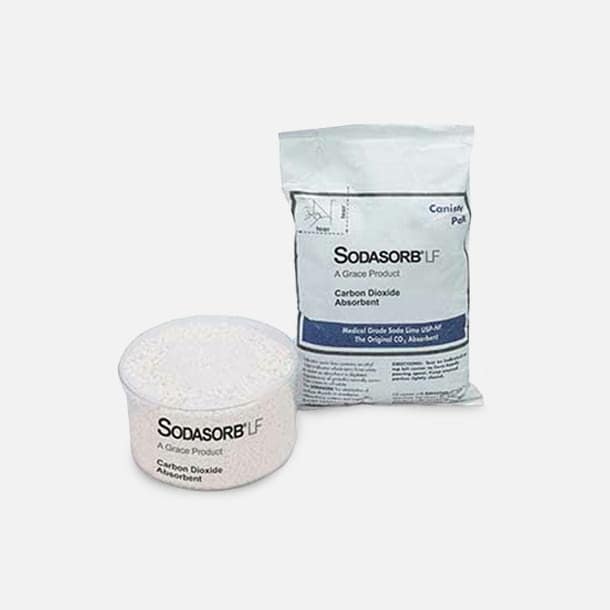
Note: Sodasorb LF has an initial color state of light purple due to the surface of the absorbent interacting with the anesthetic gas in the system. Once the anesthetic diffuses out of the absorbent, the color will revert back to white indicating that it still has CO2 absorption capacity (this is an email response from Marks. Plank, quality manager for gcp applied technologies).
Références

Veterinary Specialist Articles