Vol. XI: Understanding Anomalies in Anesthetic Machine Design
Explore congenital anomalies in anesthetic machines, focusing on fresh gas flow, pop-off valves, one-way valves,…

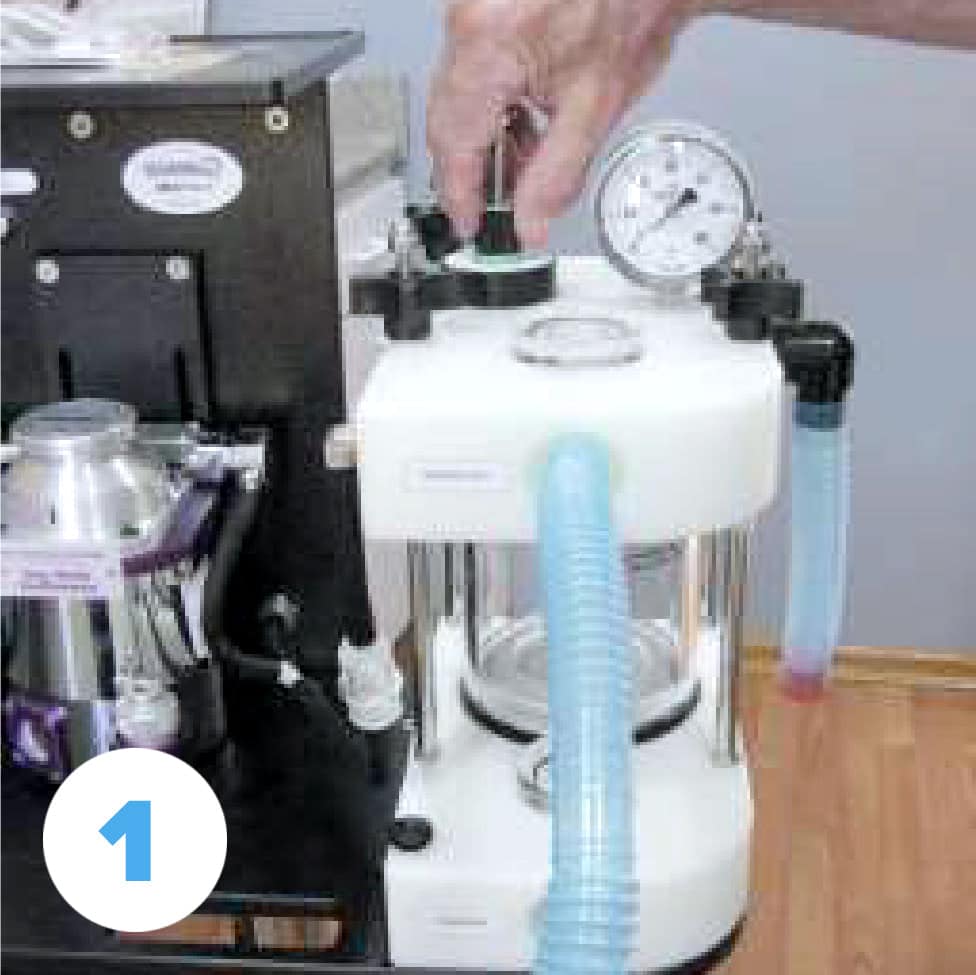
Benjamin Franklin once said “an ounce of prevention is worth a pound of cure”. In the world of anesthesia, the ounce of prevention is performing a pressure test on the anesthesia machine prior to surgery. The Food and Drug Administration’s Center for Devices and Radiological Health recommend that the rebreathing circle system holds pressure at 30cm H2O for 10 seconds. Alternatively, it is recommended that the leak rate required to maintain at 30cm H2O should be less than 300ml/min. (5th edition Lumb & Jones, p. 63, table 3.4)
The service technicians at Vetamac like to take the recommendations one step further and require the leak rate to be less than 200ml/min. No matter which recommendation is used the most important issue is preforming the pressure test correctly and prior to the first surgery of the day.
Watch Sarah’s step-by-step tutorial or read this article to make sure you’re performing your leak test correctly.
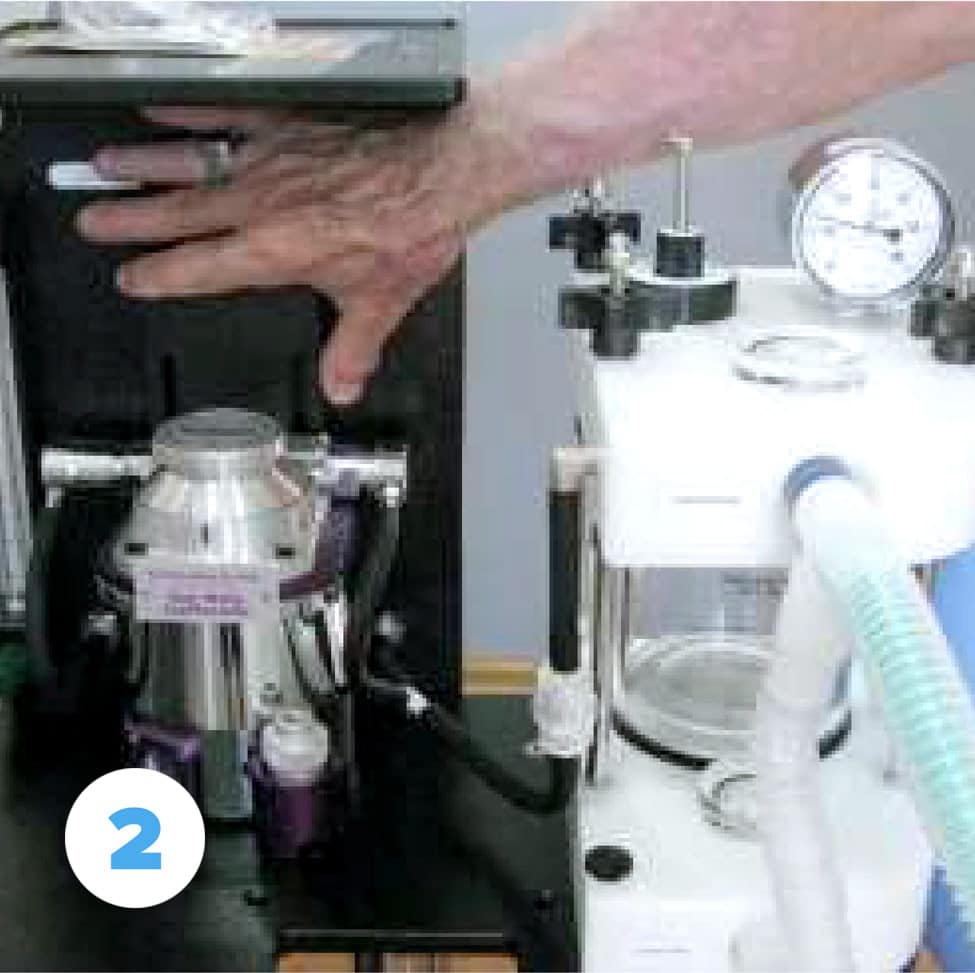
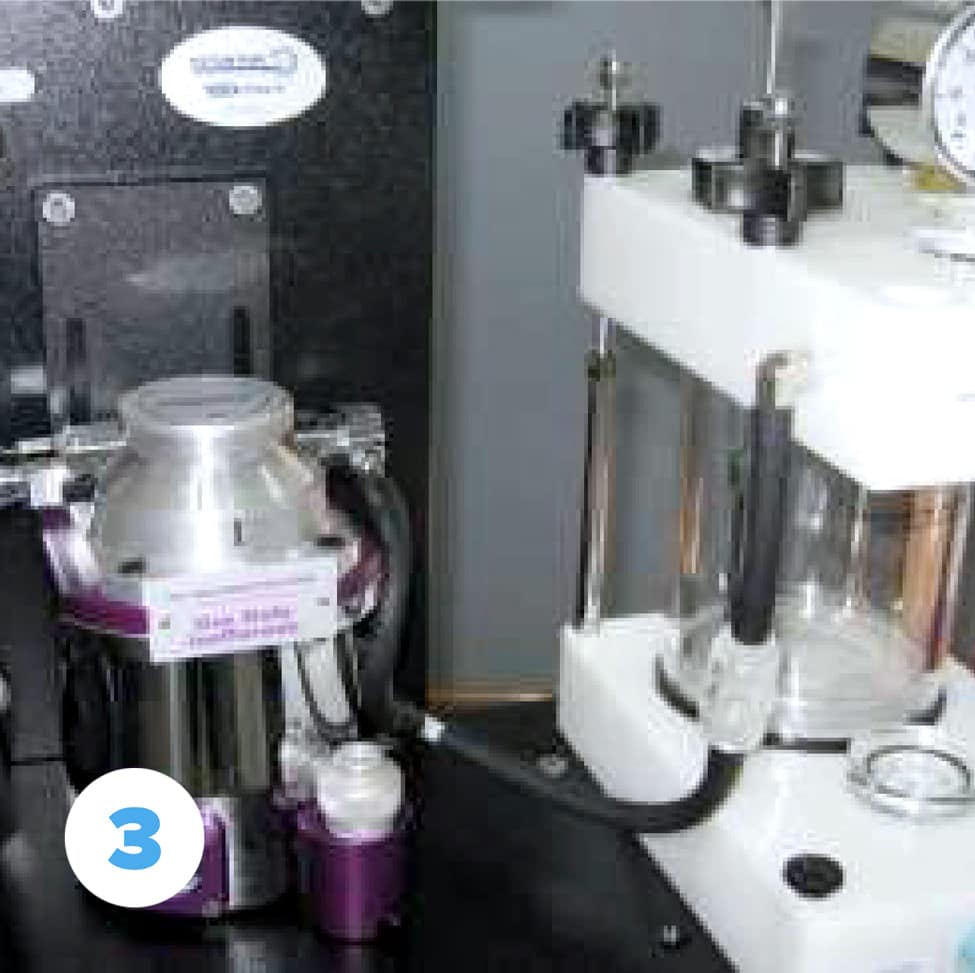
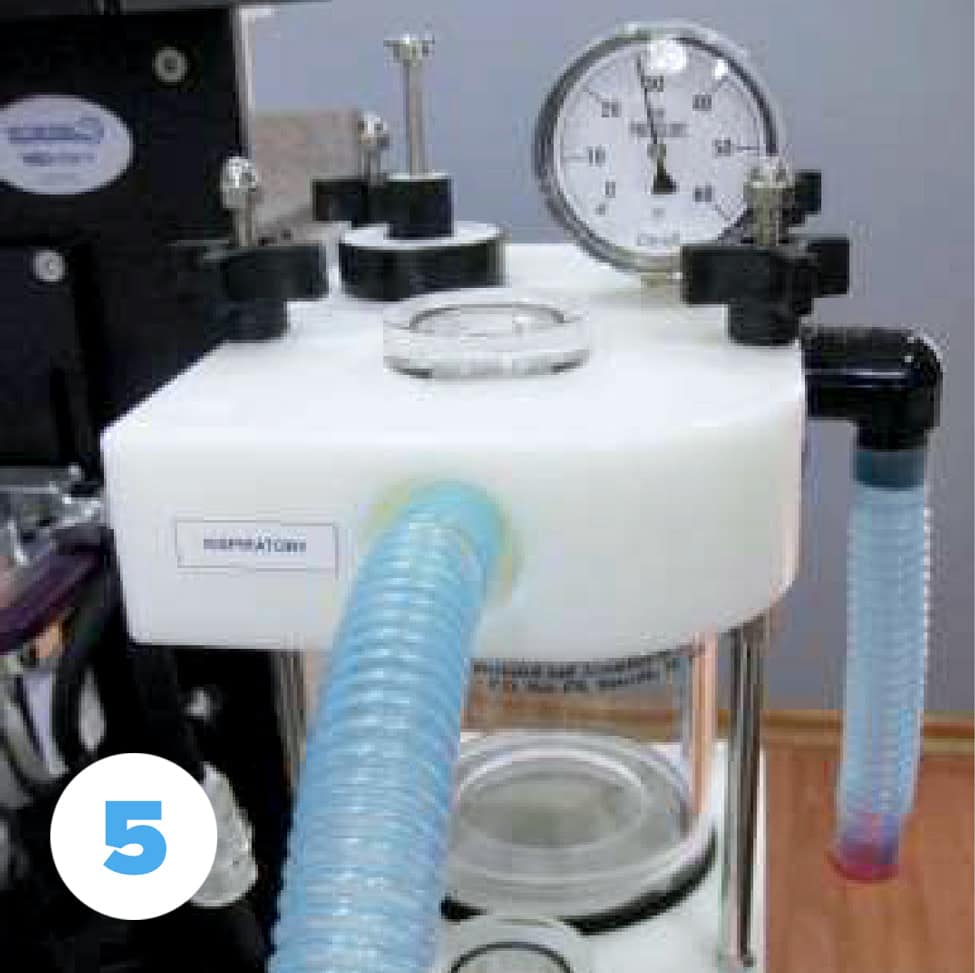
One of the most common source of leaks is the rebreathing bags and circuits. A way to check the anesthesia machine only for leaks is by using a “Test Kit” provided by Vetamac. The Test Kit consists of a piece of 22mm scavenger tubing used in place of the breathing circuit and a 22mm scavenger tubing with a plug to use in place of the rebreathing bag. Picture 5 is an example of the anesthesia machine holding pressure with the use of the test kit.
The pressure is holding therefore the anesthesia machine is free of leaks. The pressure test can then be performed using the breathing circuit and rebreathing bag and if a leak is detected it can be pinpointed to the circuit and/or bag.
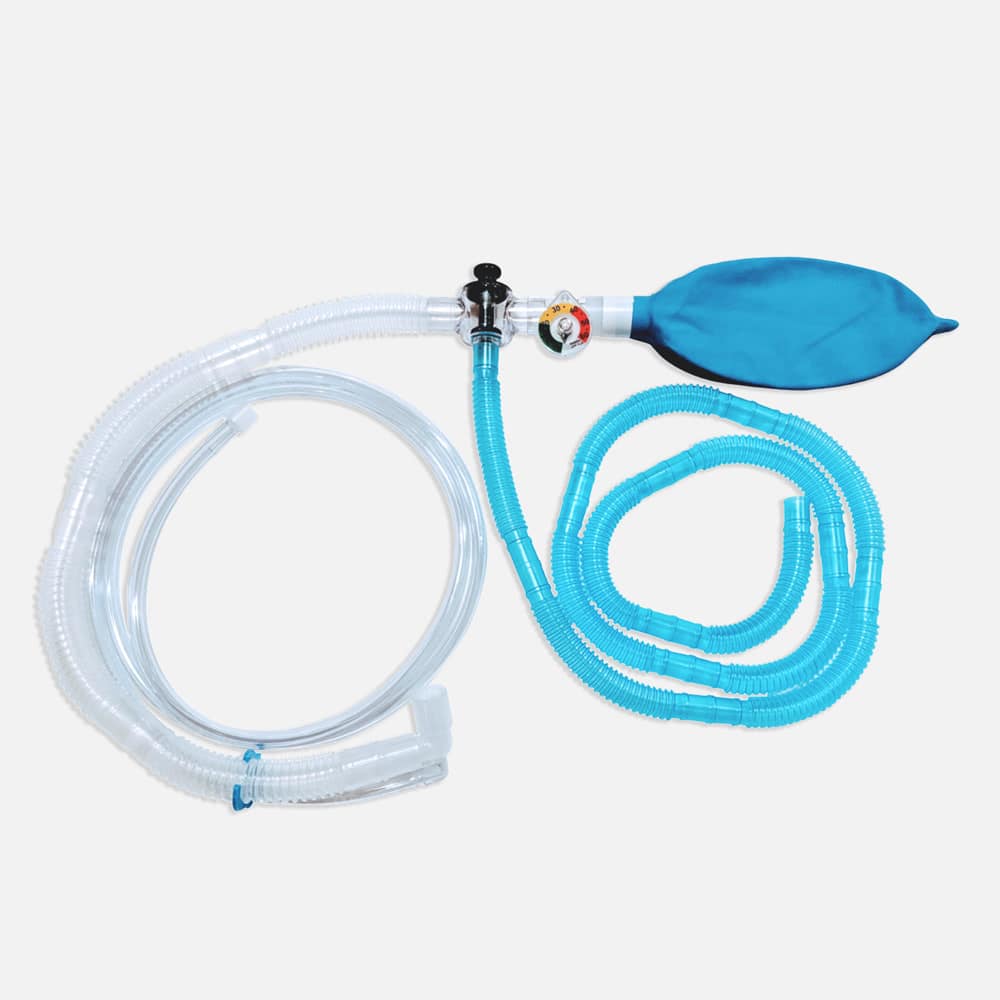
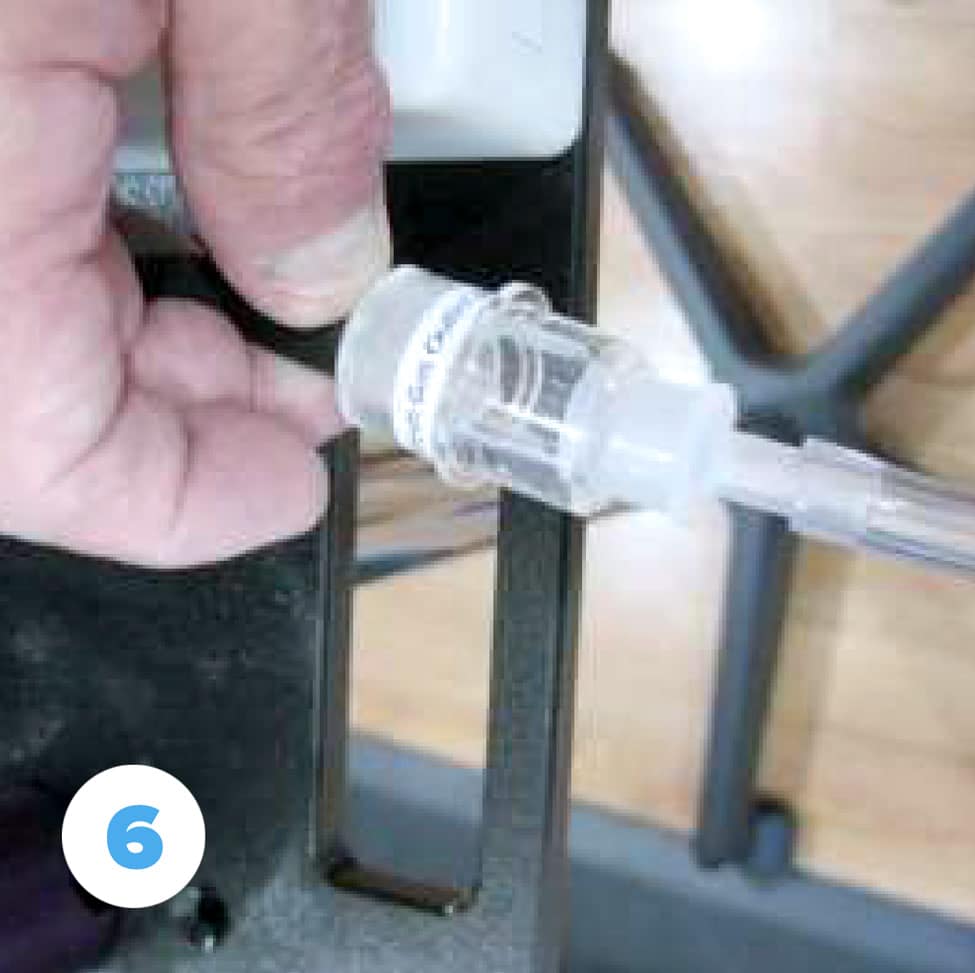
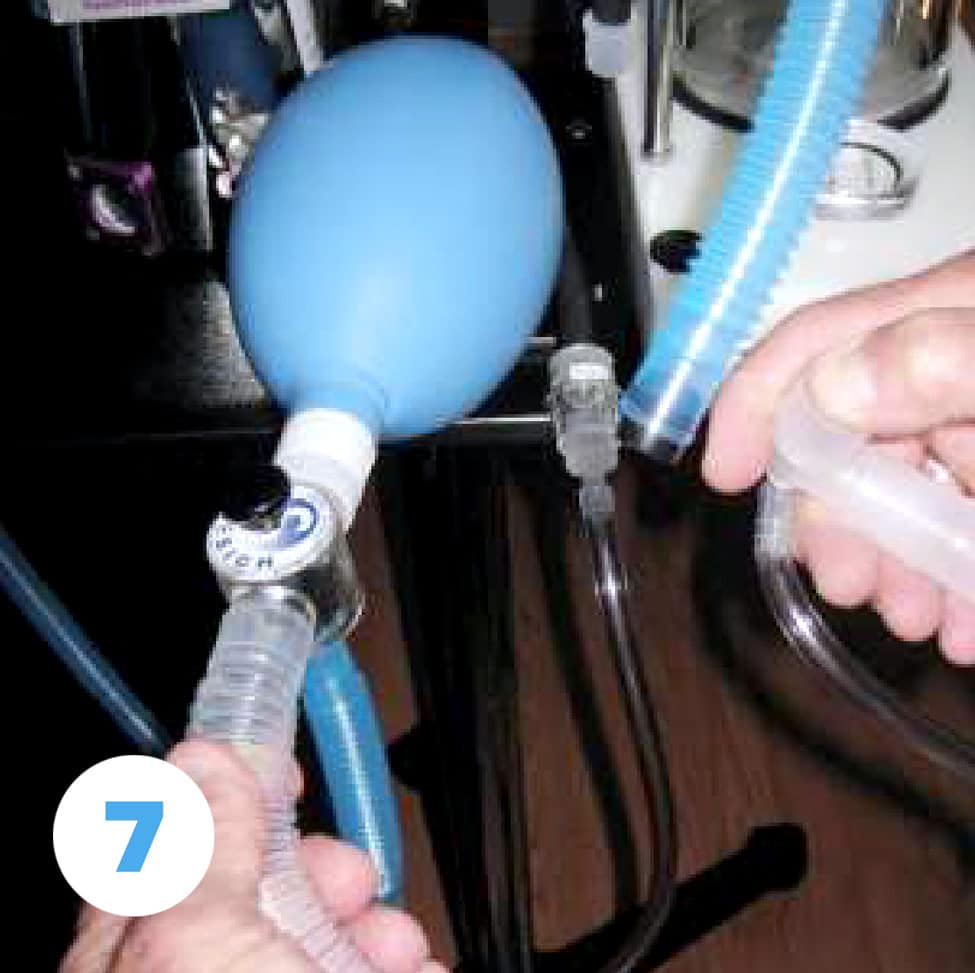
The non-rebreathing (NRB) circuit should also be checked for leaks prior to each use. Use the following steps to perform a pressure test on a non-rebreathing circuit.
If you experience leaks with your anesthesia machine and you call a Vetamac service representative, the first question you will hear is “did you perform a pressure test?” Performing the pressure test can help isolate the area of the leak. This will help the service representative diagnose the problem with you and possibly repair it over the phone. Call your Vetamac service representative if you a re interested in obtaining a test kit.