Call Us
1 800 334-1583
The Importance of Safe Anesthesia Practices in Veterinary Clinics

Ensuring anesthesia safety is a top priority in every veterinary hospital. Throughout the United-States, the reliability and performance of anesthesia machines have a direct impact on patient care, staff protection, and the smooth flow of surgical procedures.
As veterinary practices face growing caseloads, changing regulations, and ongoing staffing shifts, there is an increased focus on anesthesia equipment that is reliable, safe, and straightforward to maintain.
This guide highlights the key safety features and best-practice standards that characterize a compliant veterinary anesthesia, supporting veterinary teams in making informed equipment choices.
How a Reliable Anesthesia Machine Improves Veterinary Care
- A well-designed anesthesia machine reduces risk throughout every procedure:
- Patient safety: accurate administration of oxygen and anesthetic agents
- Staff safety: minimized exposure to residual anesthetic gases
- Equipment dependability: decreased breakdowns and reduced maintenance expenses
When anesthesia systems are both reliable and easy to use, the entire surgical process becomes more efficient and secure.
Strategies to Avoid Common Veterinary Anesthesia Machine Safety Risks
Most anesthesia-related equipment issues in veterinary clinics stem from a few preventable causes.

Verifying Oxygen Systems
Verifying the oxygen system is essential for safe and effective anesthesia outcomes.

- Ensure the oxygen supply is checked daily and weekly to maintain proper levels
- Maintain engaged, leak-free line pressure between 40-50 PSI for pneumatic mechanical ventilators
- Annual purity verification for oxygen generators and concentrators

Breathing System Leaks
Undetected leaks are a leading contributor to anesthetic complications. They may cause:

- Low oxygen levels (hypoxia)
- Incorrect anesthetic concentrations
- Higher consumption of anesthetic gases
- Increased exposure risk for clinic staff
- A safe veterinary anesthesia machine enables a thorough leak test to be performed easily and reliably as part of routine daily checks.

Vaporizer Safety
Vaporizers that are incorrectly mounted, worn out, or inadequately maintained can result in unpredictable anesthetic depth.
Essential safety considerations include:

- Consistent and accurately calibrated vaporizer output
- Secure and stable mounting
- Easy access for routine maintenance
- Stable operation in varied climate conditions
- Proper filling devices
- Reliable operation across different environmental conditions

Restricted Maintenance Access
Anesthesia machines that make servicing difficult can lead to overlooked problems and longer equipment downtime. This may cause:
- Increased repair expenses
- Delays in routine maintenance
- Unexpected malfunctions during procedures
Veterinary anesthesia equipment should be designed to allow easy inspection, part replacement, and preventive maintenance by trained service personnel.
Efficient Workflow Enhances Safety
When an anesthesia machine is easy to operate, it supports both safe practices and smooth, productive workflows in busy veterinary settings.
Key Benefits
- Quicker completion of daily safety inspections
- Lower risk of operator errors
- Shorter onboarding and training for new staff
- Fewer preventable service interventions
- Extended equipment longevity
In clinics with high surgical volume, streamlined workflows help ensure consistent patient monitoring and safer anesthesia management.
Essential Features of a Reliable Veterinary Anesthesia Machine
When selecting anesthesia equipment for a veterinary practice, focus on these priorities:
- Reliable anesthetic delivery: ensures precise performance for a variety of species and procedure types.
- Effortless daily safety checks: leak tests, flow verification, and oxygen monitoring should be simple, repeatable, and quick to perform.
- Robust clinical construction: built to withstand the demands of a busy veterinary hospital over the long term.
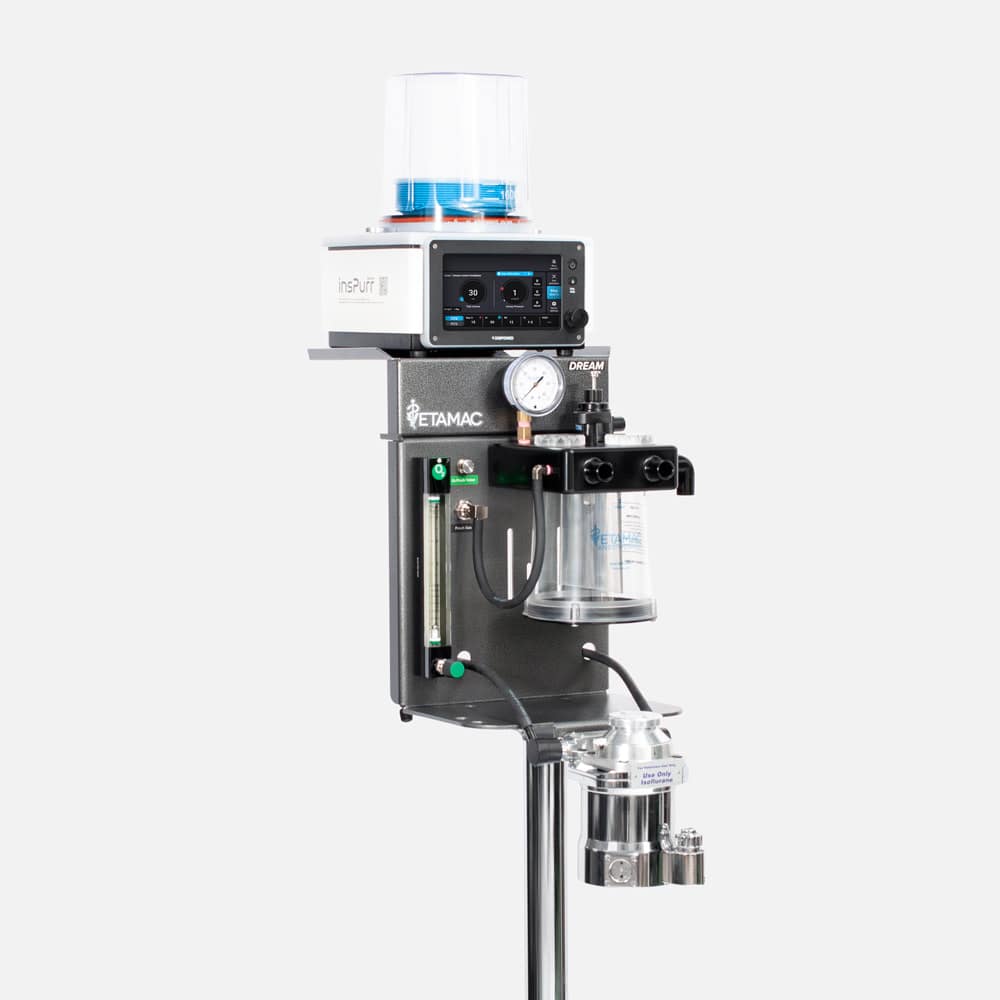
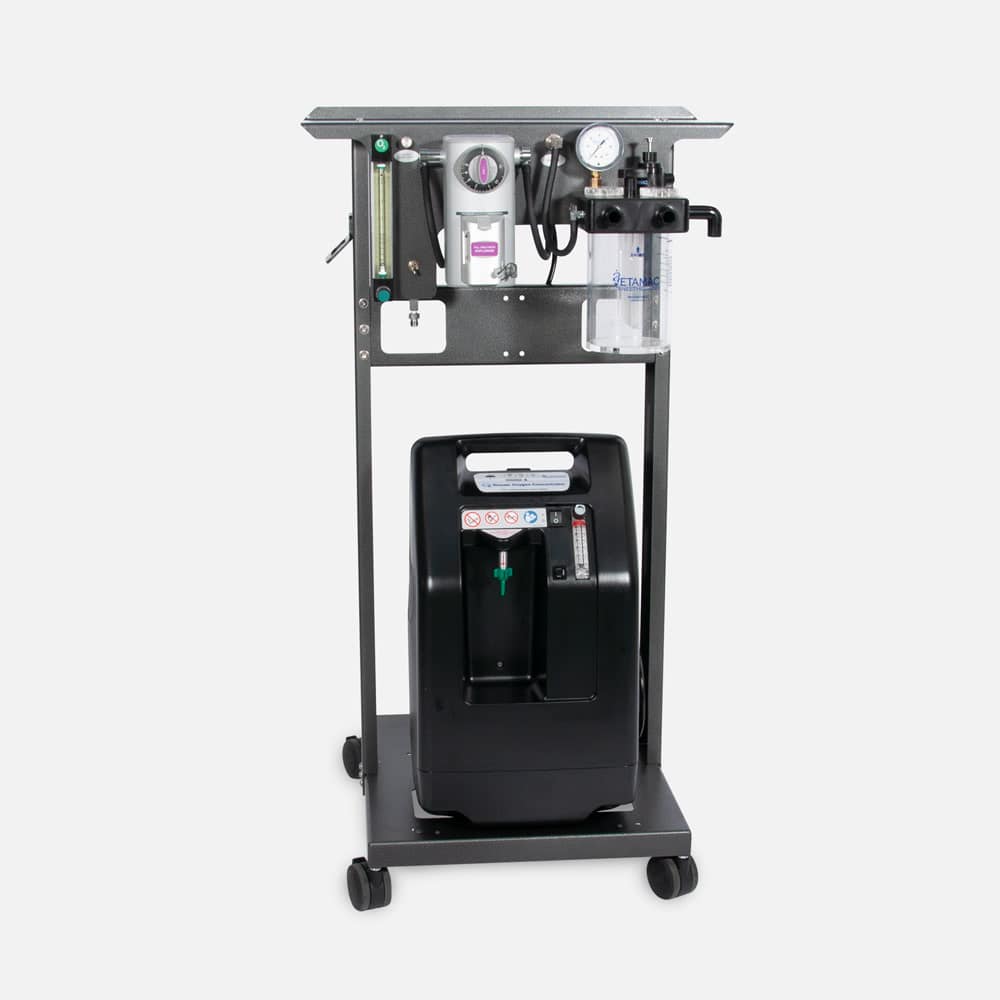
- Adaptable configuration: options such as mobile carts, compact units, wall-mounted systems, or custom setups that fit seamlessly into your surgical workflow.
- Responsive technical support: access to trained service technicians who can provide timely maintenance and minimize equipment downtime.
- User-friendly design: intuitive controls and ergonomic layouts that reduce training time, streamline operations, and help the team consistently maintain safe anesthesia practices.
Assessing Your Veterinary Anesthesia Setup
Regular evaluation of anesthesia equipment and clinical workflow allows veterinary clinics to identify ways to improve:
- Patient safety
- Staff efficiency
- Equipment dependability
- Long-term operational costs
Examining service records, daily inspection routines, and the overall condition of the anesthesia machine can highlight potential upgrades or adjustments that enhance safety and reliability during procedures.